Connect with us

Culture

Nigeria’s carnival industry set to boost unity, economic growth, says VP Shettima

Published

on

Nigerian carnival industry economic growth

VP Kashim Shettima highlights Nigeria’s carnival industry as a driver for economic growth, youth empowerment, and national unity.


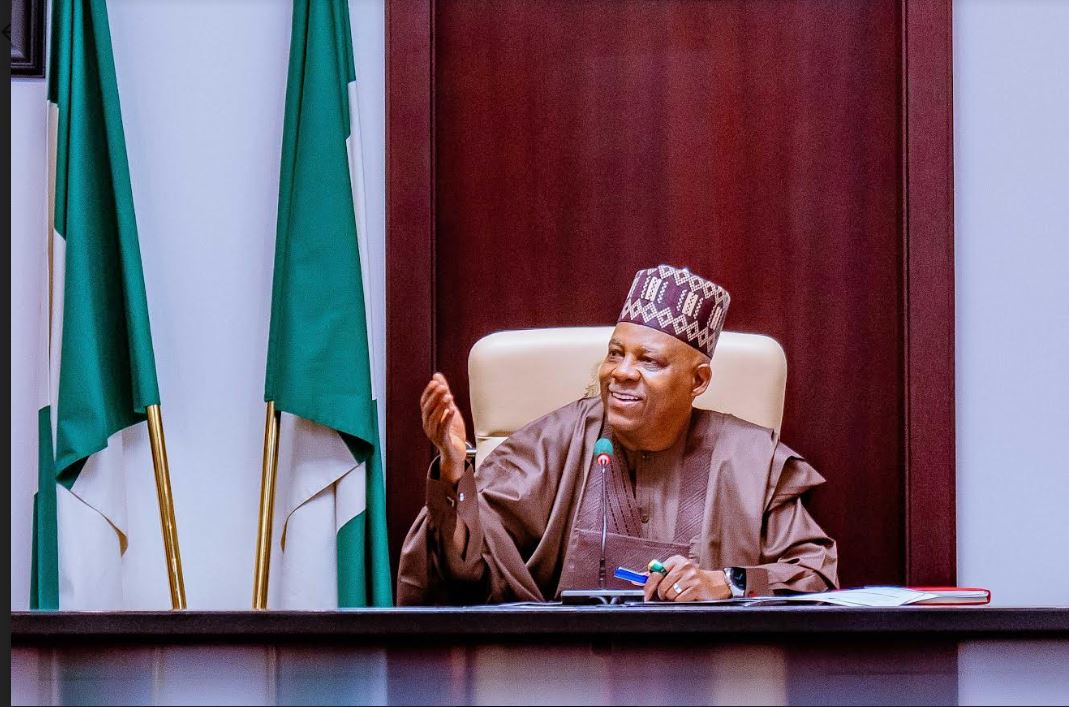
Vice President Kashim Shettima announced on Wednesday that Nigeria’s carnival industry holds tremendous potential not only to showcase the country’s cultural heritage but also to foster national unity, youth empowerment, and economic growth.

Speaking at the Presidential Villa in Abuja during a meeting with the Abuja International Carnival delegation, Shettima expressed the government’s commitment to elevating the carnival sector as a strategic component of Nigeria’s economic agenda.


Also read: Shettima, Abiodun, others for Ojude Oba festival


In a statement issued by Mr Stanley Nkwocha, Senior Special Assistant on Media and Communication to the Vice President, Shettima emphasised that the global carnival industry, valued at approximately $5 billion, offers a viable economic avenue for Nigeria.

“The value of the global carnival market is estimated at $5bn. This underscores its potential to assist us in our economic growth agenda,” he said.

The Vice President pointed out that beyond financial gains, Nigeria’s carnival industry could foster unity by bringing together diverse ethnic groups to celebrate a shared cultural identity.

Shettima highlighted the popularity of international events like Brazil’s Rio de Janeiro Carnival and Nigeria’s own Calabar Carnival, which has become a cultural mainstay for the Efik and Ibibio communities.

He encouraged the Abuja International Carnival delegation to restore the event to its former prominence, noting that the Abuja Carnival once held a strong place in the cultural calendar.

“The Abuja carnival used to be an even bigger event. I urge you to fast-track all efforts toward holding this event,” he said.

The Vice President also mentioned that the government, under President Bola Tinubu’s administration, has invested in the Digital and Creative Enterprises programme, a $618 million initiative aimed at bolstering Nigeria’s digital and creative industries, with carnival development as a key focus.

This support, he noted, reflects the administration’s belief in the carnival industry’s role in creating job opportunities and strengthening national identity.

Kehinde Adegbite, CEO of the Abuja International Carnival, expressed gratitude to Shettima for his support and shared plans to collaborate with the Ministry of Art, Culture, and the Creative Economy.

“The carnival brings unity, empowers the youths, and helps discover talents,” Adegbite stated, describing the carnival as a platform for youth empowerment and talent discovery.

With robust backing from the government and planned partnerships across ministries, Nigeria’s carnival sector is poised to make a significant impact on the country’s economic landscape, promoting unity while creating pathways for young Nigerians in the creative industry.

Continue Reading
Click to comment

Leave a Reply

Culture

Ofala festival: Obi of Onitsha marks 25 Years on throne

Published

on

 Ofala Festival 2026 celebrated Onitsha’s royal heritage as Obi Nnaemeka Achebe marked 25 years on the throne and addressed Nigeria’s economic challenges.

(more…)

Continue Reading

Culture

Crowds Gather for Rare Sunrise at Egypt’s Abu Simbel Temple

Published

on

Abu Simbel

Hundreds of tourists gathered at Egypt’s Abu Simbel temple to witness the twice-yearly sunrise ceremony illuminating Pharaoh Ramses II’s statue

Hundreds of tourists gathered at Egypt’s Abu Simbel temple on Thursday to witness a spectacular sunrise phenomenon in which sunlight illuminated the face of the statue of Pharaoh Ramses II, an event that occurs only twice a year.

Also read: 16 Famous Cultural Festivals That Define India

The ancient astronomical ceremony drew visitors from different parts of the world to the archaeological site in southern Egypt on October 22, one of two dates associated with the phenomenon.

The second occurrence takes place on February 22, when the rising sun illuminates the temple’s interior.

Egyptian tour guide Yasser Fouad described the occasion as extraordinary, saying some visitors had stayed overnight to secure the opportunity to witness the event.

“Today is an extraordinary day, everyone is keen, there are people who stayed over the night, foreigners who actually spent the night in Abu Simbel to see this phenomenon,” Fouad said.

The Great Temple of Ramses II at Abu Simbel dates back to the 13th century BC and is among Egypt’s most prominent archaeological attractions.

Built during the reign of Ramses II, one of ancient Egypt’s most powerful pharaohs, the temple is renowned for its monumental statues and sophisticated architectural design.

The twice-yearly sunrise phenomenon is a major attraction, drawing visitors eager to witness the interaction between sunlight and the temple’s ancient structure.

The dates have traditionally been associated with significant moments in Ramses II’s life.

October 22 is commonly linked to his birthday, while February 22 is associated with his accession to the throne.

However, the precise historical reasons behind the dates remain debated.

Some archaeologists have proposed alternative explanations, including that they may have marked the pharaoh’s coronation and birthday.

Abu Simbel underwent a major international rescue operation in the 1960s, when archaeologists and engineers relocated the temples to protect them from flooding caused by the construction of the Aswan High Dam.

The monumental structures were cut into large blocks and reassembled at a higher location, preserving the site for future generations.

The relocation was one of the most significant archaeological preservation projects of the 20th century.

Despite the move, the temple continues to attract visitors for its ancient Egyptian art, monumental architecture and remarkable alignment with the rising sun.

Also read: 16 Famous Cultural Festivals That Define India

The annual gatherings highlight the enduring appeal of Egypt’s archaeological heritage and the continuing fascination with the astronomical knowledge and engineering achievements of its ancient civilisation.

Continue Reading

Culture

16 Famous Cultural Festivals That Define India

Published

on

India

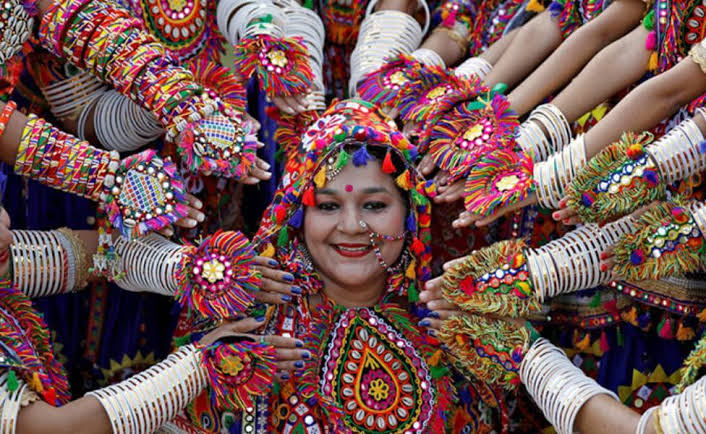
Discover 16 famous cultural festivals in India, from Diwali and Holi to Rath Yatra and the Pushkar Camel Fair, celebrating the country’s rich heritage (more…)

Continue Reading

Trending