
Culture
Bello Rallies Ede Sons, Daughters Worldwide To Participate In AjilalaOso Festival

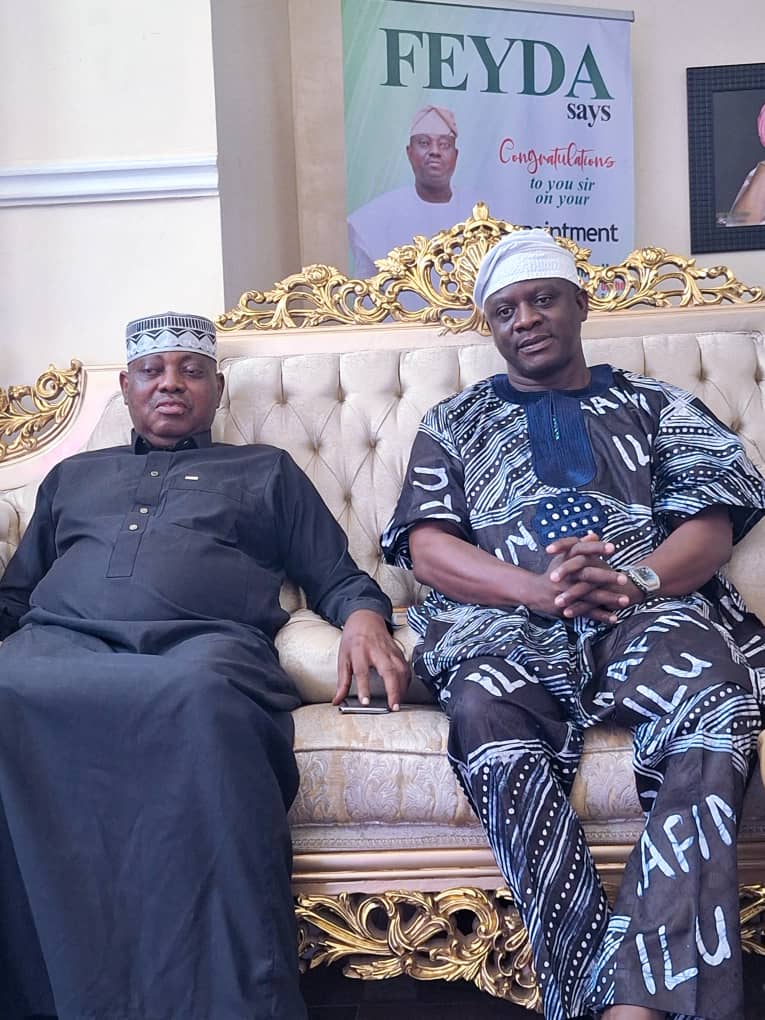
We will not deviate from Ajilala Oso festival objectives – planning committee chairman assures
The Pro-Chancellor and Chairman of the Governing Council of Obafemi Awolowo University, Ile-Ife, Hon. Adejare Bello, has called on Ede sons and daughters across the world to participate actively in the upcoming AjilalaOso Day Festival 2026.
Also read: Ashmusy Shares Why She Feels Secure About Motherhood Without Rushing Marriage
Bello, who holds the title of Oluomo of Edeland, made the call while hosting the Prince Adewale Laoye-led planning committee for the Ajilala Oso Festival 2026 at his residence in Osogbo on Friday.
The former Ambassador to Mexico lauded the royal leadership of the Timi of Edeland, Munirudeen Adesola Lawal, Laminisa I, over the development being witnessed in the ancient town.
He prayed for the long reign of the monarch and wished Edeland continuous development and success for its indigenes across the world.
The former Speaker of the Osun State House of Assembly, while recalling the level of development in Ede during his younger days, said, “I thank God for the development of Ede and the support being provided by all of us as indigenes.“When we were growing up, this was not how Ede was. Development has now extended to areas where we never imagined it would reach in our lifetime.
“I thank God that what our forefathers dreamed about is now becoming a reality” he added.
In his remarks, Prince Adewale Laoye appreciated Hon. Bello for his continuous support for programmes focused on the development of Ede and the empowerment of its people.
Speaking on the importance of the Ajilala Oso festival, Prince Laoye said the committee would remain committed to the festival’s objectives of promoting Ede culture and training younger Ede sons and daughters in traditional crafts associated with their forefathers.
According to him, the initiative is designed to provide sustainable livelihoods for youths while preserving the cultural heritage of the town.
He added that the promotion of well-packaged Eko ati Ila capable of attracting cultural enthusiasts from across the world also forms part of the objectives of the festival.
Also read: Ede Women Wing Donates Bedsheets in Community Support Drive
Prince Laoye further encouraged Ede indigenes in the diaspora to use the festival as an opportunity to reconnect with and learn more about the rich cultural heritage of their forefathers.






Why Nigeria needs the All-Nigeria Rotary Peace Summit

Pasuma, Malaika Headline Star-Studded Owode Ifa Festival

Dexter Loko Wins Prestigious 2026 Chinua Achebe Prize


 Culture4 years ago
The Four Igbo Market Days and Their Significance In Omenala ÌGBÒ
- Business4 years ago
Ooni of Ife Discusses Business and Peace Initiative in Kenya
- Events4 years ago
Glamour, glitz as B’obagunwa Omo’ba Obinrin Akile Ijebu celebrates New Year party (Photos)
- Culture4 years ago
Outrage as Ezendigbo of Ibadanland confers chieftaincy title on Olubadan
- Events4 years ago
Onitoomu of Ito-Omu installs two new chiefs (Video, Photos)
- Events2 years ago
Egbe Bobasete: The New Fashion Sensation Elevates 2024 Ojude Oba Festival (Video, Photos)
 Events3 years ago
NANTAP Convention 2023: Reshaping Nigerian Theatre Arts for economic growth
- Paranormal4 years ago
Black Cat Superstition: Good and Bad Luck Beliefs


