Connect with us

Culture

Exeter Bids for 2029 City of Culture to Celebrate Heritage, Innovation, and Sport

Published

on

Exeter

Exeter aims to become the 2029 City of Culture, highlighting heritage, arts, science, innovation, and sport while engaging local communities

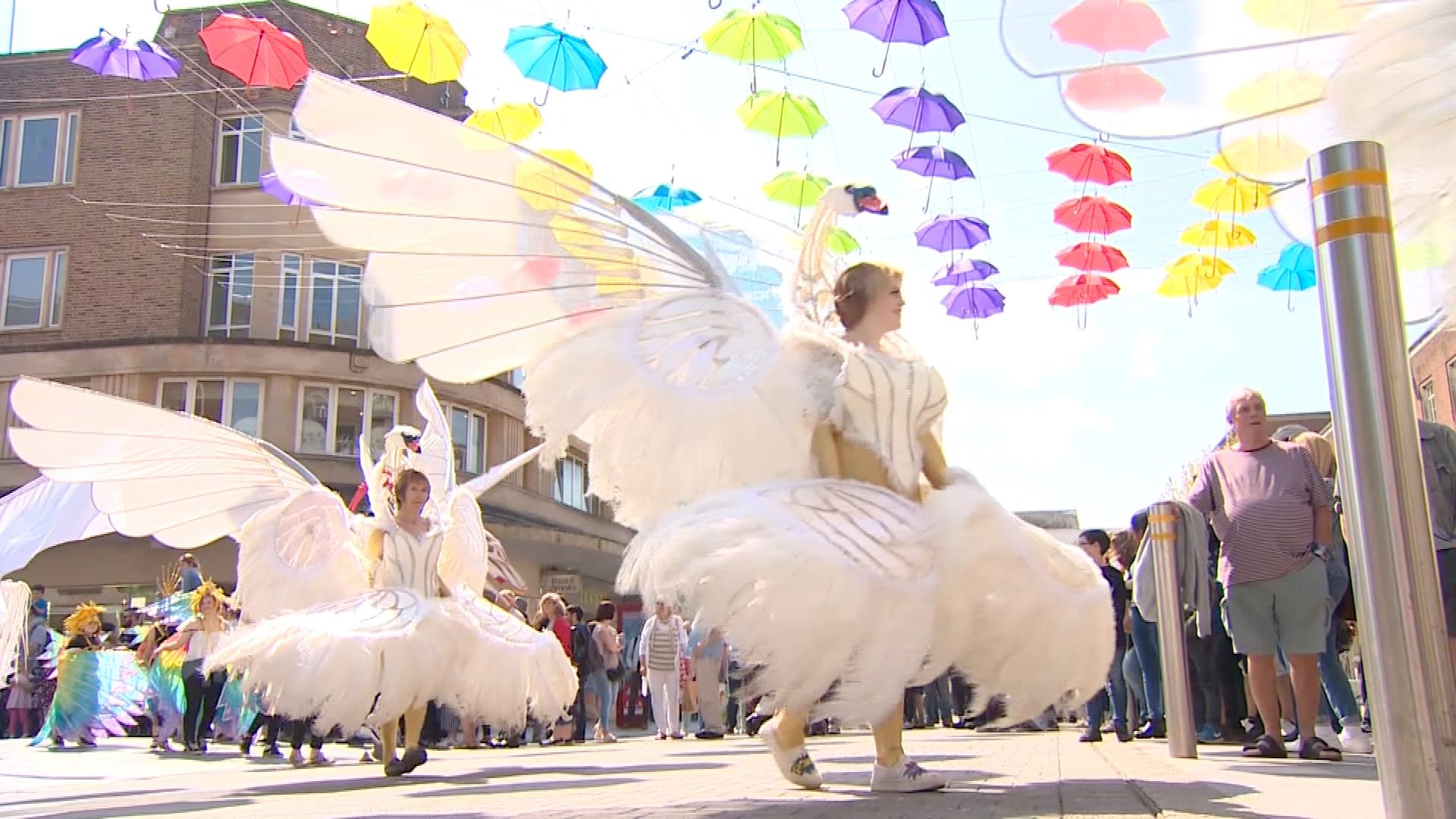
Exeter is bidding to become the 2029 City of Culture, aiming to combine its rich heritage with a vision for the future.

Also read: Michael Effiong James Mourns Wife Oluwakemi Oyeteju James After Tragic Home Accident

The city’s bid highlights Exeter’s cultural institutions, arts, and performances, while celebrating its achievements in sport, science, and innovation.

Council Deputy Leader Laura Wright, a musician herself, said the bid emerged after five months of consultation with local creatives to develop a five-year cultural strategy.

“Culture isn’t just an arty thing. It is that, but it’s also a culture of how people think, innovate and learn,” Wright said, noting the city’s experience hosting major events such as the Women’s Rugby World Cup.

The Northcott Theatre emphasises the importance of community-rooted productions.

Creative director Martin Berry highlighted shows like Exe Men, The Commotion Time, and an upcoming Daphne du Maurier play that showcase local talent and stories.

“What a brilliant thing it would be to tell even more of those stories, of this city and this region,” Berry added, stressing the potential national platform a successful bid could provide.

Helen Hartstein, museum manager at the Royal Albert Memorial Museum and Art Gallery, said the bid provides an opportunity to celebrate Exeter’s creativity and community spirit.

Exeter faces competition from cities including Plymouth, Bristol, and Portsmouth. If it makes the long list, the government will award £60,000 to prepare a formal bid.

The winning city will receive £10 million to host a year-long arts and culture celebration.

Also read: Michael Effiong James Mourns Wife Oluwakemi Oyeteju James After Tragic Home Accident

Local creatives are already meeting in workshops to shape Exeter’s application and ensure the city’s culture and innovation are fully represented.

Culture

Dexter Loko Wins Prestigious 2026 Chinua Achebe Prize

Published

on

 Dexter Loko Wins Chinua Achebe Prize for his 170,000-word fantasy novel, The Bako of Zereshé, at the 2026 ANA convention in Abuja

(more…)

Continue Reading

Culture

Ofala festival: Obi of Onitsha marks 25 Years on throne

Published

on

 Ofala Festival 2026 celebrated Onitsha’s royal heritage as Obi Nnaemeka Achebe marked 25 years on the throne and addressed Nigeria’s economic challenges.

(more…)

Continue Reading

Culture

Crowds Gather for Rare Sunrise at Egypt’s Abu Simbel Temple

Published

on

Abu Simbel

Hundreds of tourists gathered at Egypt’s Abu Simbel temple to witness the twice-yearly sunrise ceremony illuminating Pharaoh Ramses II’s statue

Hundreds of tourists gathered at Egypt’s Abu Simbel temple on Thursday to witness a spectacular sunrise phenomenon in which sunlight illuminated the face of the statue of Pharaoh Ramses II, an event that occurs only twice a year.

Also read: 16 Famous Cultural Festivals That Define India

The ancient astronomical ceremony drew visitors from different parts of the world to the archaeological site in southern Egypt on October 22, one of two dates associated with the phenomenon.

The second occurrence takes place on February 22, when the rising sun illuminates the temple’s interior.

Egyptian tour guide Yasser Fouad described the occasion as extraordinary, saying some visitors had stayed overnight to secure the opportunity to witness the event.

“Today is an extraordinary day, everyone is keen, there are people who stayed over the night, foreigners who actually spent the night in Abu Simbel to see this phenomenon,” Fouad said.

The Great Temple of Ramses II at Abu Simbel dates back to the 13th century BC and is among Egypt’s most prominent archaeological attractions.

Built during the reign of Ramses II, one of ancient Egypt’s most powerful pharaohs, the temple is renowned for its monumental statues and sophisticated architectural design.

The twice-yearly sunrise phenomenon is a major attraction, drawing visitors eager to witness the interaction between sunlight and the temple’s ancient structure.

The dates have traditionally been associated with significant moments in Ramses II’s life.

October 22 is commonly linked to his birthday, while February 22 is associated with his accession to the throne.

However, the precise historical reasons behind the dates remain debated.

Some archaeologists have proposed alternative explanations, including that they may have marked the pharaoh’s coronation and birthday.

Abu Simbel underwent a major international rescue operation in the 1960s, when archaeologists and engineers relocated the temples to protect them from flooding caused by the construction of the Aswan High Dam.

The monumental structures were cut into large blocks and reassembled at a higher location, preserving the site for future generations.

The relocation was one of the most significant archaeological preservation projects of the 20th century.

Despite the move, the temple continues to attract visitors for its ancient Egyptian art, monumental architecture and remarkable alignment with the rising sun.

Also read: 16 Famous Cultural Festivals That Define India

The annual gatherings highlight the enduring appeal of Egypt’s archaeological heritage and the continuing fascination with the astronomical knowledge and engineering achievements of its ancient civilisation.

Continue Reading

Trending