NAFEST 2024 unites Nigeria’s diversity, fostering unity and showcasing rich cultural heritage for global recognition and economic growth.
The 36th edition of the National Festival of Arts and Culture (NAFEST) commenced in Abuja on November 22, 2024, with a renewed focus on fostering unity and leveraging Nigeria’s cultural diversity for economic growth.
Organised by the National Council for Arts and Culture (NCAC) in partnership with the Federal Ministry of Art, Culture, Tourism, and Creative Economy, this year’s festival, themed “Connected Culture,” runs until November 30.
Minister of Art, Culture, Tourism, and Creative Economy, Hannatu Musawa, represented by Dr Shaibu Husseini, highlighted the Federal Government’s commitment to nurturing the arts and culture sector to enhance its revenue-generating capacity.
She emphasised that Nigeria’s cultural richness and resilience present a unique opportunity for growth, urging citizens to embrace unity and collaboration.
First held in 1970 to promote national integration after the civil war, NAFEST remains a vital platform for celebrating Nigeria’s diversity.
Obi Asika, the NCAC Director-General, described this year’s edition as the most innovative yet.
He noted that the festival’s revamped approach seeks to broaden its audience base, including the Nigerian diaspora, and unlock the economic potential of the nation’s cultural assets.
“Nigeria’s culture is an asset that can be monetised and made profitable. What binds us as Nigerians is far greater than what divides us,” Asika remarked.
Asika’s extensive background in the media and entertainment industries—including founding Storm 360, a key player in Nigeria’s music scene—underscores his vision for merging cultural heritage with economic development.
The festival’s opening ceremony featured a vibrant parade of cultural dance performances by contingents from Nigeria’s 36 states and the Federal Capital Territory.
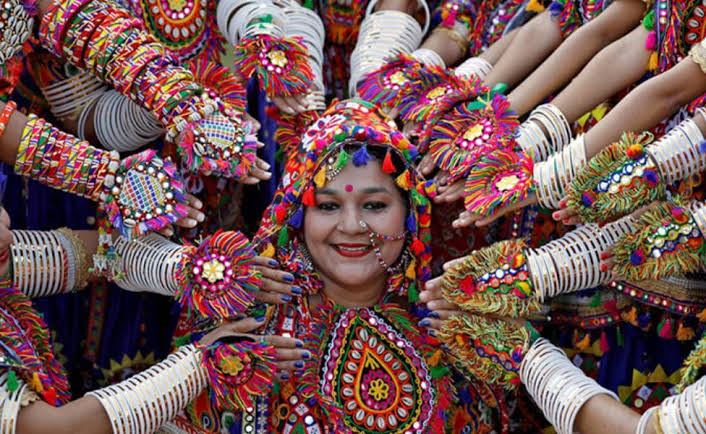
Adorned in traditional attire, dancers showcased unique moves that reflected their heritage, symbolising the unity in diversity that defines NAFEST.
Programmes during the nine-day event include arts and crafts exhibitions, music and dance performances, and discussions on enhancing global recognition of Nigerian culture.
Bayelsa State Commissioner for Culture and Tourism, Dr Iti Orugbani, praised the federal government’s renewed focus on positioning Nigeria’s creative industry within the global value chain.
Participants like Saaniyol Akiga of Benue State’s Council for Arts and Culture expressed excitement about the festival’s new direction.
“This initiative to ensure global recognition of NAFEST is timely and necessary,” Akiga said, adding that Benue’s contingent aims to uphold their tradition of excellence.
With NAFEST 2024, the Federal Government seeks to not only celebrate Nigeria’s rich cultural heritage but also harness its potential for driving economic growth.
By re-tuning its art and culture sector, the government aims to establish Nigeria as a global hub for creative and cultural excellence.







 Culture4 years ago


