Olaiya Igwe tribal marks criticism as Nollywood veteran reflects on tradition, regret, and changing cultural perspectives in emotional remarks
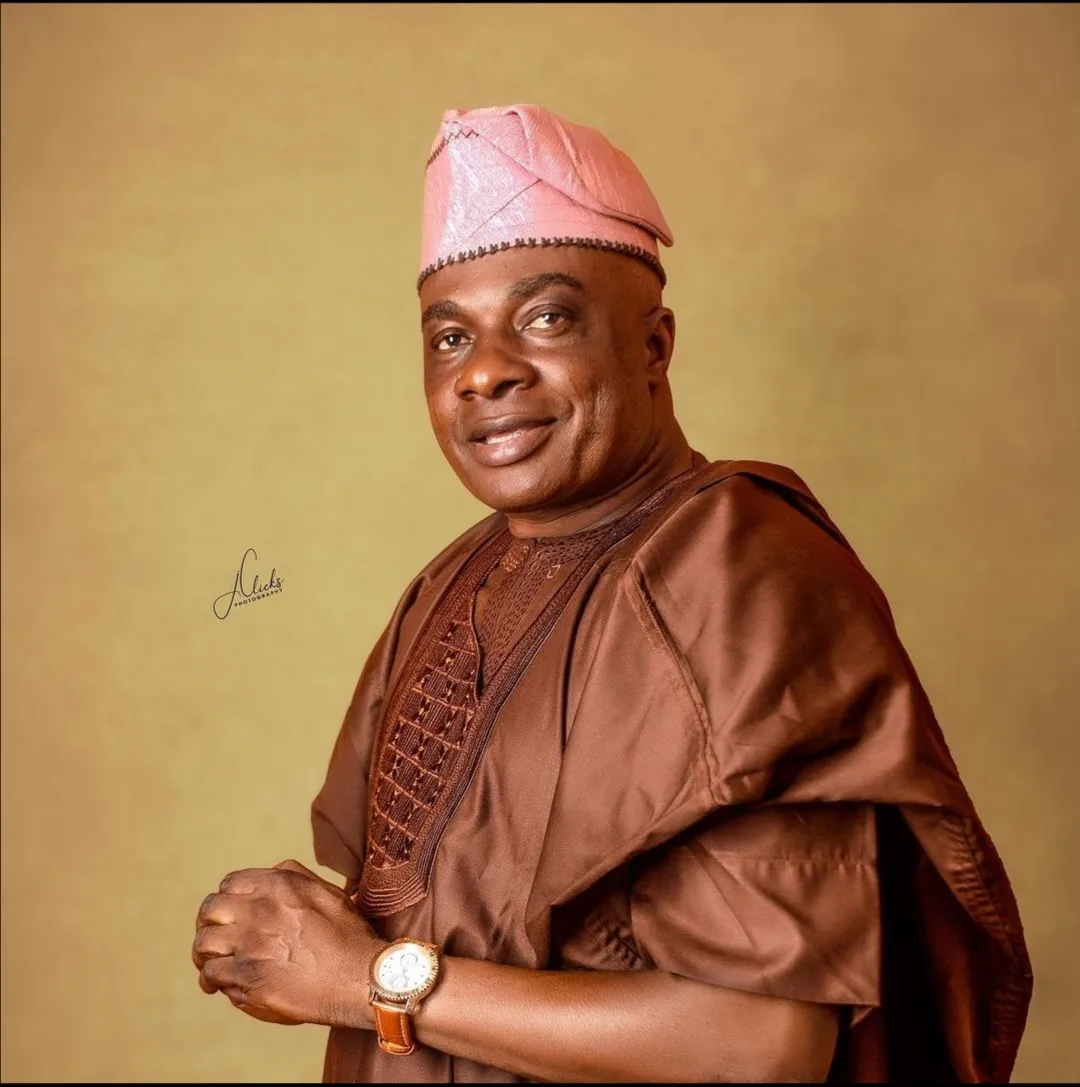
Veteran Nollywood actor Olaniyi Oladigbo Gbolagade, popularly known as Olaiya Igwe, has spoken candidly about his changing perception of tribal marks, revealing that he once embraced the tradition in childhood before later developing regret over it.
The respected actor made the disclosure while reflecting on cultural practices, noting that although he admired tribal marks while growing up, his understanding of their significance shifted with time and exposure.
Olaiya Igwe explained that he was raised in a polygamous household, where his father had six wives.
He said only five of the wives had children, adding that traditional customs in the family dictated that only the first child of each wife should bear tribal marks.
However, he disclosed that he personally requested to have the marks as a child because of how appealing he found them at the time.
“In my family, my dad had six wives but only five gave birth and my mom was the second to the last. Traditionally, only the first born from each wife was mandated to have tribal marks, but because I was very sharp, I requested for it,” he said.
The actor, however, noted that his perspective changed as he grew older and became more aware of cultural evolution and modern interpretations of identity.
“But when I eventually understood the meaning of tribal marks, I started to dislike it. I realised it wasn’t really our culture; it was lack of exposure,” he added.
Olaiya Igwe further questioned the relevance of tribal marks in contemporary society, pointing to advancements such as DNA testing as more reliable means of identity verification.
He said modern science has reshaped how lineage and identity are understood, making some traditional practices less relevant today.
Despite his criticism, the actor acknowledged moments that rekindled a sense of appreciation for the cultural markings, citing appearances by late entertainer Ade Love and comedian Sunday Omobolanle as influences.
The remarks have sparked renewed reflection on traditional practices and their place in modern Nigerian society, particularly within cultural and entertainment circles.








 Culture4 years ago


