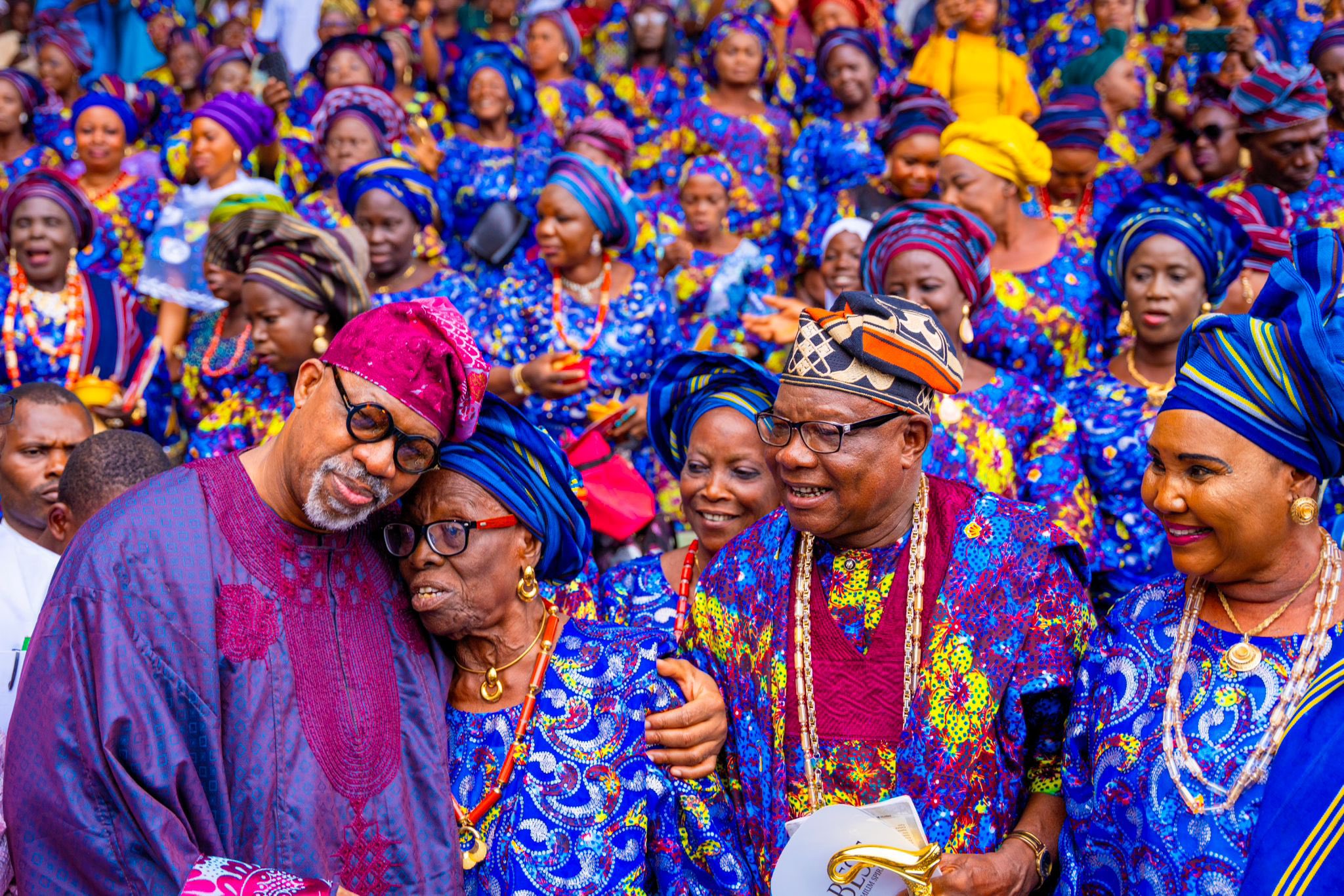
THE Ojude Oba, an annual festival performed at the pavilion of the Awujale of Ijebuland, Ijebu Ode, Ogun State, can go places. The 2024 edition saw the Ijebu at home, Diaspora and tourists pay homage to the Awujale of Ijebuland, Sikiru Adetona. The event showcased a colourful ensemble of Yoruba culture, especially in its sartorial opulence, dance, and fanfare. The organisers should aim to make it truly global.
During the 2024 edition tagged ‘Ojude Oba: Unity and Harmony, Our Gift’, the Ogun Governor, Dapo Abiodun said the state would strive to make it international.
He said the festival, which showcases the hospitality and tradition of Ijebuland, had transformed into a “significant event” that has drawn local and international tourists to the state.
The Federal Government also indicated its plans to list the festival as a UNESCO heritage event. The Minister of Culture, Arts and Creative Economy, Hannatu Musa-Musawa, stressed that these festivals would diversify the economy, reduce overdependence on oil, and help reach its mandate of generating $100 billion from tourism in 2030.
The Ojude Oba (The King’s Forecourt) is an ancient festival of the Ijebu idiolect people of Yorubaland. The event, which occurs on the third day of Eid-el-Kabir, is a colourful parade of homage to the Awujale by the ‘regberegbes’ (the age groups), divisions, and the ancient families across the Ijebu landscape. The event includes horse riding and dancing.
While the event has so far received sponsorships from homegrown companies in telecoms, real estate, and beverage industries, more should be done by the state to bolster tourism and create a robust economy.
Ogun should improve security by boosting the Amotekun corps in the state. This will help augment the shortfall of federal police personnel and curtail criminality in the communities. Incessant kidnapping, armed robbery, and crime near Ijebuland might discourage tourists from travelling to and lodging in the city.
In May, seven gunmen killed one person and abducted seven travellers on the Sagamu-Ijebu-Ode Expressway. In January, a 70-year-old man, Adeife Ifelaja, was kidnapped in Ijebu-Igbo, Ijebu-North LGA on New Year’s Eve. These underscore potential threats to residents, travellers, and tourists. Technology should be deployed to improve surveillance.
Abiodun should improve rural and state roads linking communities to federal highways, and airports. This will open the communities to investments, and ease travelling. Other basic and infrastructural needs like potable water, improved electricity, and quality hotels should be in place to boost tourism.
Without a proper plan, a potential tourism earner like the Ojude Oba will continue to rely on sponsorship and engagement by the informal economy. The state should pitch the festival well through storytelling, advertisement, and cultural conversations to receive global investments.
While the intention of the Federal Government to diversify its revenues through tourism is laudable, there must be a clear and seamless strategy to achieve its 2030 goal. It should provide better security to enhance its objectives.
Nigerian states should do better. The state governments concerned should reclaim the Argungu Fishing Festival in Kebbi, and re-enact the Ofala Festival in Anambra, and the Calabar Carnival in Cross River.
The lesson from Brazil is that the revenue generated by the tourism and services sector during the carnival season in 2024 contributed $1.8 billion to the economy, per Statista. The Rio Carnival alone generated $1 billion, up 18 per cent in 2024.
Beyond rhetoric, Nigeria should reinvigorate its cultural festivals to promote a sense of belonging, preserve its heritage, and harness its economic potential. The states should spearhead tourism development by emplacing security, quality infrastructure, and promotion to endear tourists to cultural or historical sites and events.







 Culture4 years ago


