Discover 16 famous cultural festivals in India, from Diwali and Holi to Rath Yatra and the Pushkar Camel Fair, celebrating the country’s rich heritage
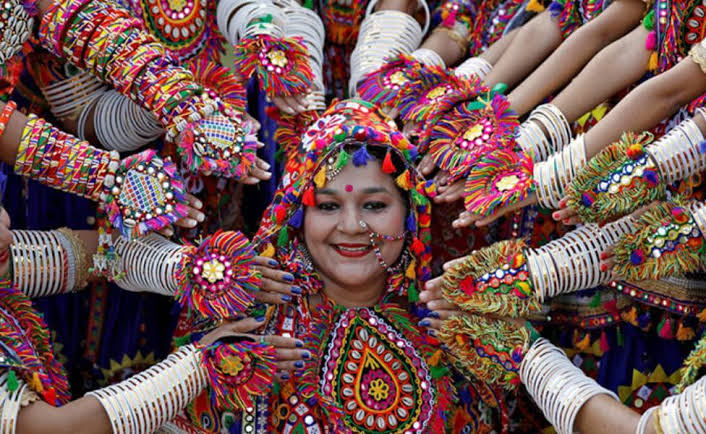
India’s cultural identity comes alive through its festivals, where ancient traditions, religious devotion, music, dance, food and community celebrations bring people together.
From colourful street festivities to major spiritual gatherings, these events offer a glimpse into the country’s diverse history and way of life.
Celebrated across different states and communities, the festivals reflect India’s many religious beliefs, regional customs, agricultural traditions and artistic heritage. Some draw millions of pilgrims, while others showcase local crafts, traditional performances and distinctive cuisines.
Here are 16 famous cultural festivals in India that highlight the country’s vibrant heritage.
1. Kumbh Mela: The Great Religious Gathering
Kumbh Mela is one of the world’s largest religious gatherings, attracting vast numbers of Hindu pilgrims who assemble for sacred bathing rituals and prayers.
Held in rotation at Prayagraj, Haridwar, Nashik and Ujjain, the gathering features religious processions, spiritual discourses and ceremonies involving ascetics and devotees. The ritual bathing, particularly during auspicious dates, is central to the event, with participants believing it offers spiritual purification.
2. Pushkar Camel Fair: Rajasthan’s Desert Spectacle
The Pushkar Camel Fair combines livestock trading with cultural performances, local markets and religious traditions. The event draws visitors keen to experience Rajasthan’s desert culture and rural heritage.
Camels and other livestock are central to the traditional fair, alongside folk music, dance, handicrafts, jewellery and regional food. Its colourful atmosphere makes it a distinctive showcase of Rajasthan’s cultural life.
3. Maha Shivaratri: The Night of Lord Shiva
Maha Shivaratri is a major Hindu festival dedicated to Lord Shiva, observed through fasting, prayer, meditation and night-long worship.
Devotees visit Shiva temples, chant sacred hymns and make offerings to Shiva Lingams. The festival, usually held in February or March, is associated with spiritual reflection and themes of devotion and transformation.
4. Durga Puja: Bengal’s Grand Celebration
Durga Puja celebrates Goddess Durga and her victory over evil. In West Bengal, especially Kolkata, the festival transforms streets and neighbourhoods into elaborate displays of art, worship and community celebration.
Temporary structures known as pandals house intricately crafted idols, while traditional drumming, cultural performances and public gatherings fill the city. The festival is also recognised by UNESCO as an element of humanity’s intangible cultural heritage.
5. Diwali: The Festival of Lights
Diwali is among India’s most widely celebrated festivals, symbolising the triumph of light over darkness and good over evil.
Families decorate homes with oil lamps, candles and colourful rangoli designs, exchange gifts, prepare sweets and offer prayers. In many Hindu traditions, the festival is associated with Lord Rama’s return to Ayodhya, while other communities observe it through their own religious traditions.
6. Holi: The Festival of Colours
Holi welcomes spring with colourful powders, music, dancing and gatherings among family, friends and neighbours.
The celebrations typically begin with Holika Dahan, a bonfire ritual associated with the triumph of good over evil. The following day, participants play with coloured powders and water, share festive foods and take part in public celebrations.
Usually held in March, Holi is known for its energetic atmosphere and its ability to bring people together across social boundaries.
7. Ganesh Chaturthi: Maharashtra’s Devotional Festival
Ganesh Chaturthi celebrates Lord Ganesha, the Hindu deity associated with wisdom and new beginnings.
The festival features decorated public pandals, clay idols, prayers, cultural performances and processions. It concludes in many communities with visarjan, the ceremonial immersion of the idols in water.
In Maharashtra, particularly Mumbai and Pune, the celebrations are notable for their scale and strong community participation.
8. Onam: Kerala’s Harvest Festival
Onam is a major cultural celebration in Kerala, associated with the legendary King Mahabali and ideas of prosperity, equality and togetherness.
The festivities include pookalam, decorative floral arrangements placed outside homes, traditional dances, boat races and the elaborate Onasadya feast served on banana leaves.
Usually celebrated in August or September, Onam brings families and communities together while showcasing Kerala’s distinctive cultural traditions.
9. Mysore Dasara: Karnataka’s Royal Festival
Mysore Dasara celebrates the victory of Goddess Chamundeshwari over the demon Mahishasura and showcases Karnataka’s royal heritage.
Mysuru Palace is illuminated during the festivities, while the programme includes music, dance, cultural events and the famous Jumbo Savari procession. Decorated elephants, ceremonial displays and traditional performances contribute to the festival’s grandeur.
10. Thrissur Pooram: Kerala’s Temple Spectacle
Thrissur Pooram is a major temple festival held in Kerala, bringing together participating temple groups for elaborate processions and musical performances.
The event is famous for its decorated elephants, ceremonial umbrellas and the powerful rhythms of traditional percussion ensembles. Fireworks are also a prominent feature of the celebrations.
Usually held in April or May, Thrissur Pooram is an important expression of Kerala’s temple traditions and cultural identity.
11. Bihu: Assam’s Agricultural Celebration
Bihu represents Assam’s agricultural traditions and is celebrated in three forms throughout the year: Rongali or Bohag Bihu, Kongali or Kati Bihu, and Bhogali or Magh Bihu.
Rongali Bihu, celebrated in April, marks the Assamese New Year and the arrival of spring. Its festivities include energetic Bihu dances, folk music and traditional foods.
Magh Bihu is associated with the harvest and community feasts, while Kati Bihu features rituals connected with prayers for crops and agricultural prosperity.
12. Hemis Festival: Ladakh’s Buddhist Heritage
The Hemis Festival celebrates Guru Padmasambhava, an important figure in Tibetan Buddhism.
Monks perform sacred Cham dances wearing elaborate masks and traditional robes, accompanied by drums, cymbals and long horns. These ritual performances carry religious symbolism and are intended to represent the triumph of good over evil.
Set against Ladakh’s mountainous landscape, the festival offers visitors an insight into the region’s Buddhist traditions.
13. Surajkund Mela: A Celebration of Indian Crafts
Surajkund International Crafts Mela brings together artisans, craftspeople and performers to showcase traditional skills from across India and beyond.
Visitors can explore handloom textiles, pottery, jewellery, handicrafts and regional foods, alongside folk music and dance performances. The event also provides artisans with an opportunity to display and sell their work.
The fair is a major attraction for those interested in India’s traditional arts and crafts.
14. Kolkata International Book Fair: A Festival of Literature
The Kolkata International Book Fair celebrates literature, reading and cultural exchange. Held annually, usually in late January or early February, it attracts publishers, authors, students and readers.
The event features book stalls, literary discussions, author appearances and cultural programmes. Its popularity reflects Kolkata’s longstanding association with literature, intellectual life and the arts.
Unlike religious or harvest festivals, the book fair places storytelling, ideas and the written word at the centre of public celebration.
15. Rath Yatra: Puri’s Famous Chariot Festival
Rath Yatra is a major Hindu festival dedicated to Lord Jagannath, his brother Balabhadra and his sister Subhadra.
During the annual celebration, the deities are taken from the Jagannath Temple in enormous decorated wooden chariots pulled by devotees through the streets of Puri. The procession attracts large crowds of pilgrims and visitors.
One notable ritual is Chhera Panhara, in which the traditional ruler ceremonially sweeps the chariot, symbolising humility and service.
16. Meenakshi Thirukalyanam: Madurai’s Divine Wedding
Meenakshi Thirukalyanam is a central event in Madurai’s Chithirai Festival, celebrating the divine marriage of Goddess Meenakshi and Lord Sundareswarar, a form of Lord Shiva.
The celebration features elaborate rituals, decorated images of the deities, traditional music and religious processions at the historic Meenakshi Amman Temple.
The festival draws devotees from across the region and showcases Tamil Nadu’s rich temple heritage and ceremonial traditions.
India’s festivals do more than provide entertainment. They preserve traditional art forms, pass customs from one generation to another, support artisans and local businesses, and strengthen relationships within communities.
They also offer visitors an opportunity to learn about the country’s regional identities and religious practices through food, music, dance, craftsmanship and public ceremonies.
The timing of many celebrations follows religious or traditional calendars, so dates can vary from year to year.
Visitors planning to attend major events should confirm the schedule and arrange accommodation early, particularly for large gatherings.
From the spiritual rituals of Kumbh Mela to the colourful celebrations of Holi and the artistic displays of Durga Puja, these 16 festivals demonstrate the remarkable range of India’s cultural heritage.
Each offers a distinctive way to experience the traditions, beliefs and community life that continue to shape the country.






 Culture4 years ago


