Ojude Oba 2025 festival offered a powerful cultural platform for brands and celebrities, boosting tourism, fashion and Yoruba heritage in Ijebu Ode
Ojude Oba 2025 festival proved to be an unforgettable cultural celebration, drawing both young and old of Ijebu and Ogun State origin into two days of spectacle, pride, and performance.
But perhaps the greatest beneficiaries were Nigerian celebrities and brands, who used the event to connect, transform and elevate their public images.
Legendary Juju musician Ebenezer Obey, now in his 80s, was the toast of the crowd, performing with youthful vigour. King Wasiu Ayinde Marshall momentarily set aside his royal status to thrill fans, while content creator Kiekie delivered one of the festival’s most electrifying performances.
Nollywood stars, including Ibrahim Chata and Lateef Adedimeji, were present in large numbers, using the opportunity to network, build their brand presence, and strike endorsement deals.
Among corporate players, none stood taller than Globacom. The telecom giant, which has sponsored Ojude Oba for two decades, used 2025 to reinforce its cultural influence and deepen brand engagement.
Its signature event, “Evening with Glo,” brought together a powerful blend of music, humour and gastronomy at the Conference Hall in Ijebu Ode.
“For decades, King of Fuji, K1 De Ultimate, the Fuji master, has been a great part of the music firmament in Nigeria,” Globacom stated. On Ebenezer Obey, the company added, “His songs are still as fresh and full of inspirational messages as they were yesterday.”
The presence of major consumer brands such as Maltina added to the commercial excitement, making Ojude Oba 2025 the largest marketplace for brand visibility and experiential marketing in the country.
Culturally, the Ojude Oba 2025 festival served as more than just a spectacle. It reasserted its position as Nigeria’s most glamorous self-sponsored carnival.
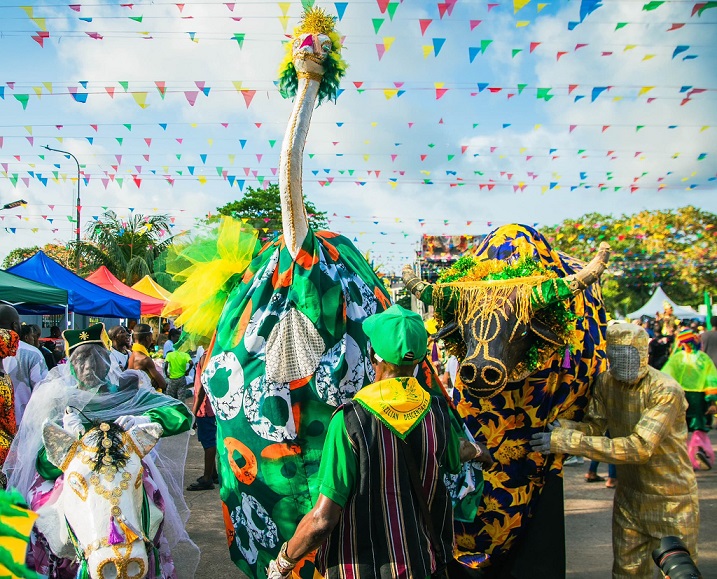
With a structure reminiscent of the Caribbean-rooted Notting Hill Carnival in London, the festival merged cultural immersion with entertainment, while serving as a soft power platform for Yoruba culture on the global stage.
For fashion designers and cultural custodians, the event became a runway of indigenous creativity. Traditional Yoruba garments in vibrant hues and contemporary cuts dominated the streets of Ijebu Ode.
Young fashion entrepreneurs took inspiration from the heritage, producing pieces that fused tradition with modern flair.
According to MarketingEdge, the festival was a platform for Yoruba designers to showcase innovation, making 2025 a defining year in the evolution of indigenous fashion.
Younger Nigerians were seen embracing agbada, asọ-òkè and beadwork, redefining style norms while honouring cultural origins.
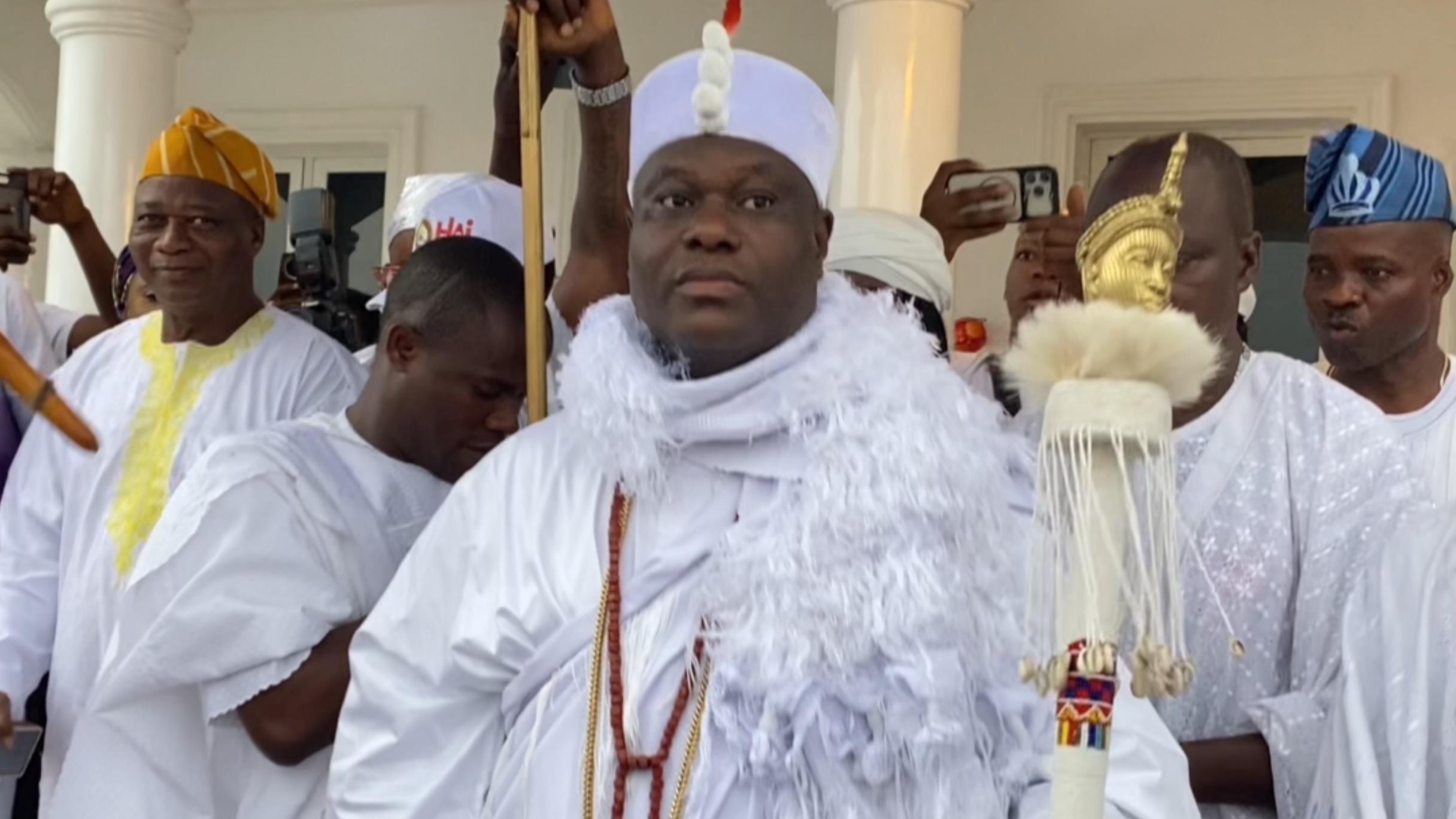
The heartbeat of the festival, the Awujale Pavilion, pulsed with rituals, processions and symbolic displays. It stood as a vivid reminder of the spiritual and historical significance of Ojude Oba to the Ijebus and Nigerians in the diaspora.
Globacom’s Coordinator of Ojude Oba Planning Committee, Professor Fassy Yusuff, alongside dignitaries like Chief Mrs Olukemi Adetona and Chief Mrs Bisi Osibogun, graced the events, highlighting the festival’s stature as a national heritage symbol.
Reflecting on the scale and success of the 2025 edition, a marketing expert present at the festival said, “Ojude Oba is no longer a local event. It’s a cultural economy platform. Brands don’t just sponsor it — they compete to belong.”
The estimated ₦2 billion sponsorship value confirmed Ojude Oba’s growing economic impact. But beyond monetary worth, it is the pride, unity and revival of Yoruba heritage that defines the soul of the festival.
As music, fashion, art and enterprise converged in Ijebu Ode, the Ojude Oba 2025 festival reminded Nigerians at home and abroad of who they are — and who they can become.





 Culture4 years ago


