Connect with us

Culture

Oba Akinruntan Insists Ugbos, Not Igbos, Were First Settlers in Ile-Ife

Published

on

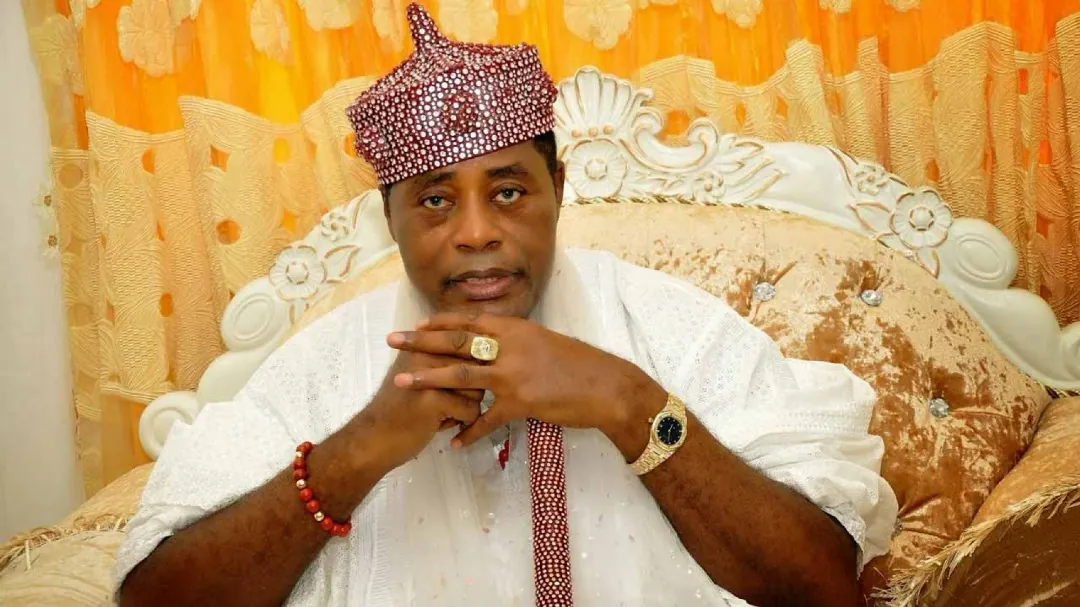
Oba Akinruntan on Ugbo history

Oba Akinruntan on Ugbo history debunks claims that Igbos founded Ife, insisting the Ugbos were the original settlers, citing top historians for support

The Olugbo of Ugbo land, Oba Dr. Frederick Akinruntan, has firmly rejected claims suggesting that the Igbo people were the original settlers of Ile-Ife, the spiritual heart of the Yoruba people.

Also read: Ile-Ife: Untapped wealth, cultural tourism goldmine waiting for global recognition

According to the monarch, historical evidence shows that the Ugbos were the first inhabitants of Ile-Ife, not the Igbos as claimed in some recent publications.

In a statement released by his Chief Press Secretary, Prince Ademibo Akingboye, the Paramount Ruler of Ugbo Kingdom warned against what he described as false historical narratives being pushed through books and online platforms.

“These misleading accounts must be stopped before they are accepted as truth. They attempt to institutionalize falsehoods about Yoruba origins,” he stated.

Oba Akinruntan specifically challenged assertions that Oduduwa overthrew a peaceful Igbo spiritual system and that the Yoruba monarchy is rooted in Igbo traditions.

He dismissed these theories as unsubstantiated and driven by selective social media commentary rather than credible historical research.

Citing respected historians, including Professors Anthony Asiwaju and Isola Olomola, the monarch emphasized that the pre-Oduduwa settlers of Ile-Ife were the Ugbos.

These misleading accounts must be stopped before they are accepted as truth. They attempt to institutionalize falsehoods about Yoruba origins.

He also referenced the works of prominent Igbo scholars such as Prof Kenneth Dike, Prof Adiele Afigbo, and Prof Elizabeth Isichei, none of whom, according to him, ever suggested that the Igbos founded Ile-Ife.

Oba Akinruntan provided historical context for his claims, stating that ancient Ife was once called Ugbomokun, with key landmarks named after Ugbo people. These included:

Ugbo Akira (the central market),

Ule Ugbo (the palace).

He also referred to Ifa divination verses, which mention early Ugbo rule in Ile-Ife:

“Kutukutu Oba Ugbo, Osangangan Obamakin” — translated as “The king of Ugbo ruled in the beginning, Obamakin came later.”

The monarch warned that these “jankara historians” and unverified stories threaten the historical integrity of Ile-Ife and diminish the spiritual significance of the Ugbo people in Yoruba history.

Also read: Ife Road Race Sparks Hope with Historic Cultural Debut

“If not corrected, this dangerous distortion could undermine Yoruba civilisation and the rightful place of Ugbo people in it,” he concluded.


Continue Reading
Click to comment

Leave a Reply

Culture

WAKE UP! Art Exhibition Returns for a Second Act

Published

on

WAKE UP

The contemporary art and photography exhibition “Wake Up!” is back again for a second edition.

Curated by Awele Onwordi, Wake Up! 2 exhibition pays homage to the Nigerian youth and burgeoning street culture which many of its contributing artists reference in their works.

Also read: Five rising stars battle for 2026 Headies Next Rated

Titled “Young, Wild, Free”, the exhibition celebrates the creativity, resilience, freedom and cultural influence found in Nigerian youth.

Taking aim at societal issues and economic concerns, the exhibit reflects the youth and their refusal to compromise or bow despite all the challenges stacked against them while charting youth culture through art, music, fashion, skateboarding, photography and community.

The exhibition will be held, once again, at the Angel and Muse Gallery at 25 Sumbo Jibowu street off Ribadu Road off Awolowo Road in Ikoyi.

It will open on Saturday 5 September 2026 and will run until 11 September 2026
This second edition which focuses on celebrating, nurturing and exploring artistic practices rooted in youth and street culture will feature works from DENCITY and SUPERGLIDER HOUSE.

Exhibiting artists include Ajilore Kehinde – their work is deeply influenced by Nigerian street culture and works of other artists like Slawn, Peters Ejiro, etc, Chuka Onwordi – graphic designer who embodies themes of death, melancholy and beauty in his works, ZIDYEP – Abuja based creative whose works move between digital and physical spaces through art, graphic design and air brushing , Franklyn Okoye – graphic designer and artist whose works explore themes of identity and hyper-reality, Awele Onwordi – founder & curator of WAKE UP and multidisciplinary artist whose practice spans character art, creative logo design, album covers and more , Oluchi Kogolo – digital illustrator whose work explores street culture, personality and storytelling through a raw and playful visual style and Kozetuo Apeji – multidisciplinary artists who work explores experimental approaches to problem solving through both digital and traditional art forms.


Commenting on the exhibition in her curatorial statement, Awele noted that “despite economic instability, limited opportunities and socio-political challenges, Nigerian youth continue to shape culture through music, fashion, art, skateboarding, raves, photography and community.”

Also read: Five rising stars battle for 2026 Headies Next Rated

Continuing and harping on the raison d’etre of the exhibition she said, “Young, Wild and Free exists to celebrate Nigerian youth while also creating a platform that supports and amplifies them.”

Continue Reading

Culture

Isese Day 2026: Sotayo Gaga, Farulee Light Up Lagos Festival

Published

on

Isese Day

Isese Day 2026 brought colourful Yoruba celebrations to Lagos as Sotayo Gaga and Farulee joined the festivities and attracted attention from fans (more…)

Continue Reading

Culture

Oyebanji backs bold cultural growth at Ekiti festival

Published

on

Oyebanji

Oyebanji cultural growth plans aim to transform Ekiti’s Udiroko Festival into a major tourism, jobs and investment platform while preserving heritage

(more…)

Continue Reading

Trending