Culture
Life Continental Lager Beer Ignites Afiaolu Festival Pride
Published
1 year agoon

Life Continental Lager Beer sparked cultural pride at Afiaolu Festival 2025, blending tradition with bold innovations and vibrant youth energy
Life Continental Lager Beer took a bold and culturally affirming step by powering the 2025 Afiaolu Nnewi Festival, in what has now been hailed as one of the most vibrant celebrations of Igbo heritage in recent memory.
Also read: Afiolu Nnewi Festival Celebrates Culture, Resilience
The move came in response to recent concerns by cultural advocate Dr. Uche Nworah, who criticized corporate brands for ignoring Igbo festivals.
Life Beer didn’t just show up—it transformed the festival into a magnetic cultural spectacle, fusing tradition with modern flair.
From the opening Nkwo Day to the grand finale, Nnewi transformed into a vibrant canvas of music, color, dance, and unity.
Families poured in from across the East, and cultural enthusiasts flew in from Lagos, Abuja, and even abroad.
Thanks to Life Continental Lager Beer, Afiaolu 2025 proved that Igbo festivals are living, breathing expressions of pride—not relics of the past.
At the heart of the celebration stood a 14-foot yam pyramid, built with 1,210 yam tubers sourced from local farmers.
More than a symbol of harvest, it stood as a beacon of unity—farmers, traders, families, and festival-goers converged in celebration.
The brand didn’t stop at symbolism. Life Continental Lager Beer activated the festival with immersive experiences that turned everyday moments into memories.
Market storms became pop-up carnivals. Local traders erupted in applause as Life Beer teams stormed stalls, buying yams and handing out cheer.
Music filled the air, and Nnewi’s neighborhoods became one massive celebration zone.
Traditional masquerade dances blended seamlessly with youth-driven energy.
Elders clad in flowing regalia danced beside young Nigerians in designer outfits, capturing every moment on their phones. It was a powerful display of generational harmony.
A major highlight was the cooking competition, where four local chefs won life-changing prizes sponsored by Life Beer—N2 million, N1.5 million, N750,000, and N500,000 respectively.
The contest saw Umudim emerge as the winning community, with Otolo, Nnewichi, and Uruagu following in succession.
Celebrity appearances added even more shine. Renowned influencers like @ifys.kitchen, CeeCee, and @authentic_cyclist delighted fans and helped spotlight local delicacies.
Their involvement underscored Life Beer’s commitment to making culture cool again for the younger generation.
This festival was more than an event—it was a cultural statement. In the face of claims that traditional festivals are losing relevance, Life Continental Lager Beer proved otherwise.
By igniting cultural pride, celebrating community, and embracing innovation, the brand has set a new benchmark for corporate involvement in heritage preservation.
Also read: Okhma Global Investment Workshop Attracts Top Brands for Carnival Calabar
As the drums of Afiaolu 2025 fade, the echo remains: Igbo culture is alive, thriving, and worth celebrating boldly. Life Beer didn’t just sponsor a festival—it powered a movement.
Related
You may like

New Yam Festival in Nigeria Celebrates Rich Cultural Joy

New Yam Music Festival Boosts Enugu’s Economy

Edda Leaders Call for Peace at Vibrant New Yam Festival

Afiolu Nnewi Festival Celebrates Culture, Resilience

Yul Edochie Honoured With Chieftaincy Title as Igbo Youth Warrior Leader

Ogbomoso Cultural Tourism Development Sparks Unforgettable Progress amid High Hopes
Culture
Ofala festival: Obi of Onitsha marks 25 Years on throne
Published
4 days agoon
October 23, 2026
Ofala Festival 2026 celebrated Onitsha’s royal heritage as Obi Nnaemeka Achebe marked 25 years on the throne and addressed Nigeria’s economic challenges.
Related
Culture
Crowds Gather for Rare Sunrise at Egypt’s Abu Simbel Temple
Published
4 days agoon
October 23, 2026
Hundreds of tourists gathered at Egypt’s Abu Simbel temple to witness the twice-yearly sunrise ceremony illuminating Pharaoh Ramses II’s statue
Hundreds of tourists gathered at Egypt’s Abu Simbel temple on Thursday to witness a spectacular sunrise phenomenon in which sunlight illuminated the face of the statue of Pharaoh Ramses II, an event that occurs only twice a year.
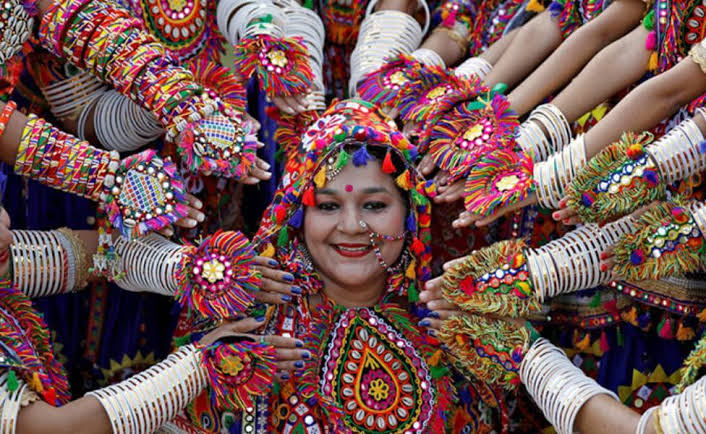
Also read: 16 Famous Cultural Festivals That Define India
The ancient astronomical ceremony drew visitors from different parts of the world to the archaeological site in southern Egypt on October 22, one of two dates associated with the phenomenon.
The second occurrence takes place on February 22, when the rising sun illuminates the temple’s interior.
Egyptian tour guide Yasser Fouad described the occasion as extraordinary, saying some visitors had stayed overnight to secure the opportunity to witness the event.
“Today is an extraordinary day, everyone is keen, there are people who stayed over the night, foreigners who actually spent the night in Abu Simbel to see this phenomenon,” Fouad said.
The Great Temple of Ramses II at Abu Simbel dates back to the 13th century BC and is among Egypt’s most prominent archaeological attractions.
Built during the reign of Ramses II, one of ancient Egypt’s most powerful pharaohs, the temple is renowned for its monumental statues and sophisticated architectural design.
The twice-yearly sunrise phenomenon is a major attraction, drawing visitors eager to witness the interaction between sunlight and the temple’s ancient structure.
The dates have traditionally been associated with significant moments in Ramses II’s life.
October 22 is commonly linked to his birthday, while February 22 is associated with his accession to the throne.
However, the precise historical reasons behind the dates remain debated.
Some archaeologists have proposed alternative explanations, including that they may have marked the pharaoh’s coronation and birthday.
Abu Simbel underwent a major international rescue operation in the 1960s, when archaeologists and engineers relocated the temples to protect them from flooding caused by the construction of the Aswan High Dam.
The monumental structures were cut into large blocks and reassembled at a higher location, preserving the site for future generations.
The relocation was one of the most significant archaeological preservation projects of the 20th century.
Despite the move, the temple continues to attract visitors for its ancient Egyptian art, monumental architecture and remarkable alignment with the rising sun.
Also read: 16 Famous Cultural Festivals That Define India
The annual gatherings highlight the enduring appeal of Egypt’s archaeological heritage and the continuing fascination with the astronomical knowledge and engineering achievements of its ancient civilisation.
Related

Poor Funding, Restrictions Stifle Northern Film Industry

Ofala festival: Obi of Onitsha marks 25 Years on throne

Crowds Gather for Rare Sunrise at Egypt’s Abu Simbel Temple
Trending
Culture4 years agoThe Four Igbo Market Days and Their Significance In Omenala ÌGBÒ
Business4 years agoOoni of Ife Discusses Business and Peace Initiative in Kenya
Events4 years agoGlamour, glitz as B’obagunwa Omo’ba Obinrin Akile Ijebu celebrates New Year party (Photos)
Culture4 years agoOutrage as Ezendigbo of Ibadanland confers chieftaincy title on Olubadan
Events4 years agoOnitoomu of Ito-Omu installs two new chiefs (Video, Photos)
Events2 years agoEgbe Bobasete: The New Fashion Sensation Elevates 2024 Ojude Oba Festival (Video, Photos)
Events3 years agoNANTAP Convention 2023: Reshaping Nigerian Theatre Arts for economic growth
Paranormal4 years agoBlack Cat Superstition: Good and Bad Luck Beliefs