
Culture
Afiolu Nnewi Festival Celebrates Culture, Resilience

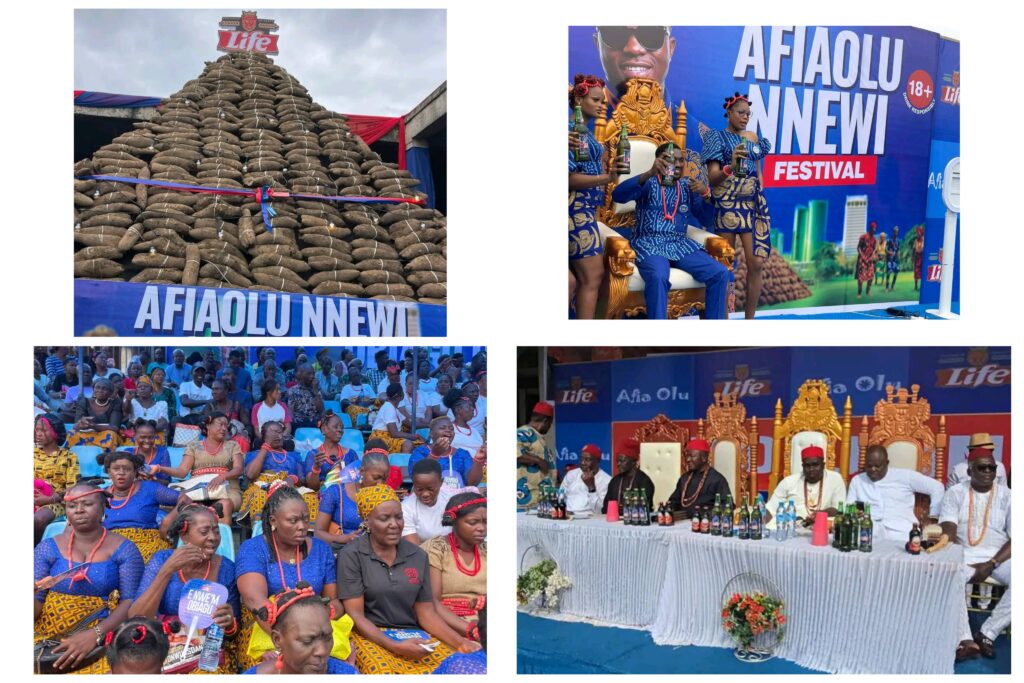
Afiolu Nnewi Festival celebrates Igbo culture, youth empowerment, and heritage with massive turnout, innovations, and royal support
Afiolu Nnewi Festival lit up the historic city of Nnewi, Anambra State, as traditional leaders, dignitaries, and cultural enthusiasts gathered to celebrate Igbo heritage, youth empowerment, and resilience in grand style.
Also read: African Tourism Conference Sparks Growth at Akwaaba Travel Market
Held at the vibrant Nkwo Nnewi Triangle, the 2025 edition of the age-old New Yam Festival drew massive crowds over a four-day celebration, climaxing with a spectacular closing ceremony powered by Life Continental Lager Beer.
“Culture and tradition are fundamental to the development of human society,” said HRH Igwe Dr Kenneth Orizu III, represented by Crown Prince Obianefo Orizu.

“This festival unites our people, promotes peace, and strengthens our agricultural identity.”
More than just a cultural celebration, the Afiolu Nnewi Festival has evolved into a dynamic platform for promoting community unity, youth development, and economic growth.
The festival showcased traditional music, dance, crafts, and culinary displays rooted in Igbo customs.
Prince Jude Osumuo, President General of Nzuko-Ora Nnewi, thanked all contributors for making the event exceptional, with special recognition given to Life Beer for introducing creative innovations that particularly engaged the youth.
Anambra State Governor, Prof. Charles Soludo, represented by Commissioner for Tourism and Culture, Don Onyenji, praised the festival’s transformation into a tourism magnet.
“The participation of Life Beer has elevated Afiolu Nnewi to the level of international cultural tourism,” said Onyenji.
Sarah Agha, Marketing Director of Nigerian Breweries Plc, expressed the brand’s joy at being warmly received by the people of Nnewi.

“The values of Life Continental Lager Beer align with the ambition and resilience of the Ndi Igbo. We are proud to celebrate this culture and will continue to support it,” Agha said.
The 2025 edition delivered a rich cultural experience, including:
- Traditional wrestling competition (won by Uruagu-Nnewi)
- Yam-based cooking contest and culinary displays
- Masquerade parades and music performances
- Souvenir giveaways by Life Beer
- Festival cake-cutting and artistic showcases
The presence of key personalities like Chief Cletus Ibeto (Omenkannaya), Senator Emma Nwachukwu, Chief George Moghalu, Olisa Metuh, and other notable figures further underscored the event’s prestige.

Screenshot
The Afiolu Nnewi Festival remains a powerful symbol of unity, agricultural pride, and Igbo identity, with this year’s edition setting new standards through thoughtful corporate partnerships and community participation.
Also read: Yoruba Heritage Protection: TYF Condemns Cultural Distortion
As Nnewi looks to the future, the successful 2025 celebration affirms the community’s commitment to preserving its cultural legacy while creating modern opportunities for growth and development.







Why Nigeria needs the All-Nigeria Rotary Peace Summit

Pasuma, Malaika Headline Star-Studded Owode Ifa Festival

Dexter Loko Wins Prestigious 2026 Chinua Achebe Prize


 Culture4 years ago
The Four Igbo Market Days and Their Significance In Omenala ÌGBÒ
- Business4 years ago
Ooni of Ife Discusses Business and Peace Initiative in Kenya
- Events4 years ago
Glamour, glitz as B’obagunwa Omo’ba Obinrin Akile Ijebu celebrates New Year party (Photos)
- Culture4 years ago
Outrage as Ezendigbo of Ibadanland confers chieftaincy title on Olubadan
- Events4 years ago
Onitoomu of Ito-Omu installs two new chiefs (Video, Photos)
- Events2 years ago
Egbe Bobasete: The New Fashion Sensation Elevates 2024 Ojude Oba Festival (Video, Photos)
 Events3 years ago
NANTAP Convention 2023: Reshaping Nigerian Theatre Arts for economic growth
- Paranormal4 years ago
Black Cat Superstition: Good and Bad Luck Beliefs


