The Lagos State Government has started the reconstruction of the Oregun Theatre, aiming to enhance the city’s creative economy and cultural landscape
The Lagos State Government has officially commenced the reconstruction of the Lagos Theatre in Oregun, Ikeja, marking a significant step towards revitalising the state’s creative and entertainment sectors.
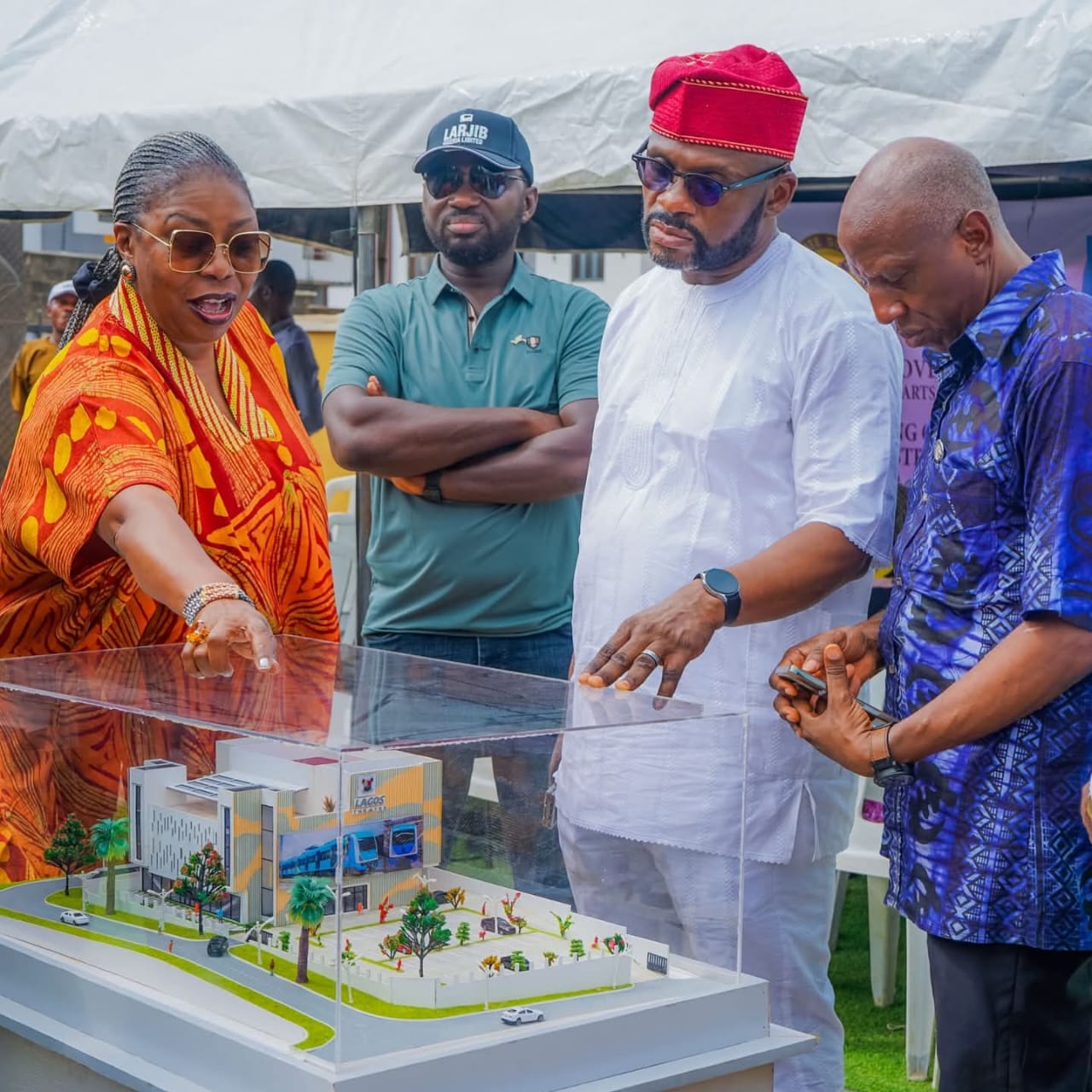
The groundbreaking ceremony, held in Oregun, signifies the administration’s dedication to enhancing public infrastructure while expanding cultural and artistic opportunities for the people of Lagos.
The Oregun Theatre was among the public assets destroyed during the October 2020 #EndSARS protests, and the state government has since committed to restoring it as part of a broader redevelopment plan to transform it into a world-class cultural hub.
During the ceremony, the Honorable Commissioner for Tourism, Arts, and Culture, Mrs. Toke Benson-Awoyinka, emphasized the project’s importance, stating that it would provide a modern, dynamic space for artistic performances, cultural showcases, and other creative engagements.
“The government is committed to delivering a state-of-the-art facility that will serve as a hub for talent development and entertainment in Lagos,” she said.
The redevelopment initiative also calls for community involvement in protecting public infrastructure. “When public assets meant to serve the people are destroyed, it is often due to a lack of awareness and responsibility,” Benson-Awoyinka added, stressing the need for collective responsibility in safeguarding shared public resources.
The project has been awarded to Mrs. Ayo Jaiyesimi, CEO of Thespian Family Theatre and Productions, whose firm will lead the transformation efforts. Benson-Awoyinka assured that the Ministry of Tourism, Arts, and Culture would collaborate with relevant stakeholders, especially the Ministry of Works and Infrastructure, to ensure the project’s seamless execution.
The Commissioner also praised Governor Babajide Sanwo-Olu for his continued support in the creative sector, noting that the project aligns with his administration’s commitment to the growth of Lagos’ cultural landscape.
Arc. Adebayo Odusanya, representing the Permanent Secretary from the Office of Works, expressed his support for the initiative, highlighting its alignment with the government’s broader vision for infrastructural and cultural development.
Arc. Tunde Yakub, Director from the Office of Works, assured that the technical guidance and supervision of the project would adhere to the highest standards.
Project consultant, Mrs. Jaiyesimi, spoke on the importance of stakeholder cooperation to ensure a smooth reconstruction process. She affirmed that the revamped theatre would not only restore a vital cultural landmark but also serve as a significant boost to Lagos’ creative economy. “The revamped theatre will not only restore a vital cultural landmark but also serve as a significant boost to Lagos’ creative economy,” she stated.
The reconstruction of the Lagos Theatre, Oregun, aligns with Governor Sanwo-Olu’s THEMES+ agenda, particularly focusing on tourism, entertainment, and creative economy development.
Once completed, the new theatre will stand as a beacon of artistic excellence, offering a platform for creatives to thrive and reinforcing Lagos’ position as the cultural capital of Nigeria.
The groundbreaking event was attended by key figures such as the Permanent Secretary, Ministry of Transportation, Mr. Wale Musa, CEO of the Lagos State Council for Arts and Culture, Mr. Idowu Johnson, and other cultural stakeholders and government officials.
The ceremony marks the beginning of a transformative project that will contribute significantly to Lagos’ cultural and creative industries.








 Culture4 years ago


