
Culture
Celebrating Ẹ̀kà In Òkè-ìlá Orangun

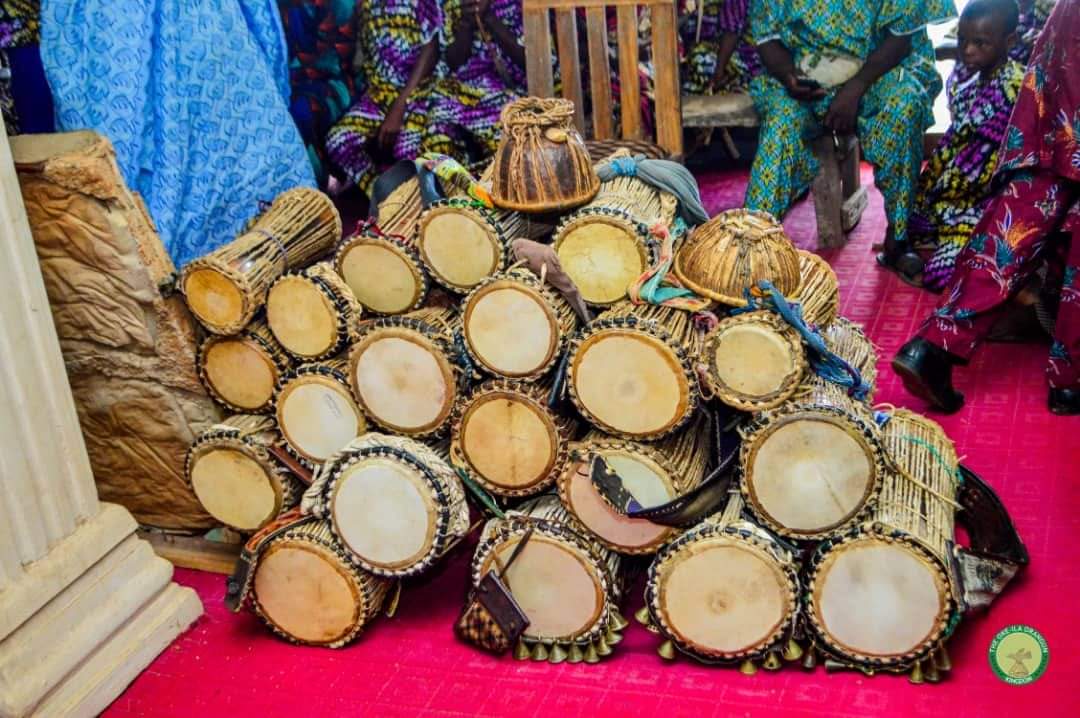
Recently, the ancient town of Òkè-ìlá Orangun joyfully gathered to celebrate another significant cultural event, before the final ISINRO festival, which the forefathers of the town, in their wisdom, registered as Ẹ̀kà.
This cherished occasion, according to Oba Adedokun Abolarin, serves as a poignant reminder of the tenacious dedication, dogged sacrifices, and remarkable contributions made by his esteemed fathers and predecessors who once graced the throne in Òkè-ìlá Ọ̀ràngún kingdom.
“From Ọ̀ràngún Ajagunla Ifagbamila, the revered grand progenitor of our town, to the most recent king, each monarch has left an indelible mark on our history and collective consciousness. It is important we remember them,” says Kabiyesi Abokarin in a post on his social media handles.
Òkè-ìlá Orangun embraces its rich history, tracing its roots back to the reign of Ọ̀ràngún Ajagunla Ifagbamila. A visionary leader and wise ruler, he laid the foundation for the kingdom’s prosperity and unity. “From the earliest days of our town’s existence, the crown has passed from one generation to the next, each king leaving a unique imprint on the culture and governance of Òkè-ìlá Orangun. I am grateful to all of them. And I am earnestly dedicated to their good legacies and that is to see Òkè-Ìlá Orangun of our dream materialise even in my lifetime by the power of Olódùnmarè, the Adániwáyé,” the Kabiyesi stated.
During the Ẹ̀kà celebration, the monarch recalled that his people reflect on the accomplishments and legacies of the various kings who have before him graced the throne over the ages.
From warriors who defended the kingdom against invaders (like Ajagunla) to peacemakers who fostered harmony among neighboring communities (like Orangun Ogboye), each king had a distinct role in shaping the town’s destiny.
“Their memories remain evergreen in the hearts of my people, and their stories are recounted with reverence and admiration by the Àyán galú, which I call “the chronicler of our history”.
Ẹ̀kà is not just a mere ceremony; it is a sacred tradition rooted in profound symbolism.
As Ẹ̀kà ìn Òkè-ìlá Orangun reached its climax, Oba Abolarin says the town stands united, proudly embracing its past and looking towards to the future with hope and determination.
The commemoration of the old kings’ work, sacrifices, and contributions is not just a ritual; it is a testament to the resilience and spirit of our people.
“With heads held high, hearts full of gratitude, and a renewed sense of purpose, we move forward, carrying the torch of our ancestors’ legacy, ensuring that their memories endure for eternity in the tapestry of Òkè-ìlá Orangun’s history.”


Source: www.theculturenewspaper.com/celebrating-eka-in-oke-ila-orangun/





Poor Funding, Restrictions Stifle Northern Film Industry

Ofala festival: Obi of Onitsha marks 25 Years on throne

Crowds Gather for Rare Sunrise at Egypt’s Abu Simbel Temple


 Culture4 years ago
The Four Igbo Market Days and Their Significance In Omenala ÌGBÒ
- Business4 years ago
Ooni of Ife Discusses Business and Peace Initiative in Kenya
- Events4 years ago
Glamour, glitz as B’obagunwa Omo’ba Obinrin Akile Ijebu celebrates New Year party (Photos)
- Culture4 years ago
Outrage as Ezendigbo of Ibadanland confers chieftaincy title on Olubadan
- Events4 years ago
Onitoomu of Ito-Omu installs two new chiefs (Video, Photos)
- Events2 years ago
Egbe Bobasete: The New Fashion Sensation Elevates 2024 Ojude Oba Festival (Video, Photos)
 Events3 years ago
NANTAP Convention 2023: Reshaping Nigerian Theatre Arts for economic growth
- Paranormal4 years ago
Black Cat Superstition: Good and Bad Luck Beliefs


