
Culture
Adamawa World Tourism Day sparks Cultural Revival


Adamawa World Tourism Day celebration in Yola inspires Nigerians to adopt native names and preserve cultural heritage
Adamawa World Tourism Day celebrations lit up the streets of Yola on Saturday as residents staged a colourful procession calling on Nigerians to embrace their native names and preserve the nation’s rich cultural heritage.
Also read: Lagos World Tourism Day 2025 Celebrates Coastal Beauty
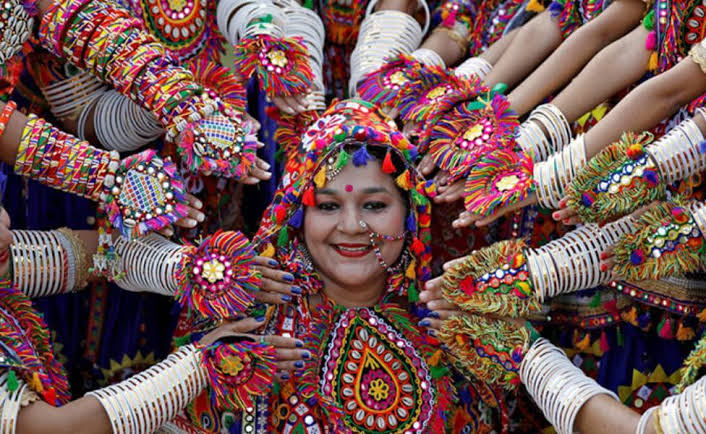
The capital city came alive with drumming, dancing, and dazzling displays of traditional fashion as cultural groups from across the state paraded through Yola’s streets in a vibrant show of unity and identity.
Participants from all 21 local government areas showcased their unique traditions — from music and crafts to costumes — representing diverse ethnic groups including the Fulani, Bachama, Igbo, Tiv, Margi, and Laka.
The procession began at the Total Flyover near Yola International Airport and wound its way through the city to the Unity Flyover and underpass near the Government House, transforming the route into a moving carnival of colour and rhythm.
Governor Ahmadu Umaru Fintiri, represented by the Commissioner for Culture and Tourism, Aloysius Babadoke, said the event underscored his administration’s commitment to promoting peace, unity, and sustainable cultural growth through tourism.
“This year’s World Tourism Day theme, ‘Sustainable Transformation,’ aligns perfectly with Governor Fintiri’s transformation agenda,” Babadoke stated.

He added that hosting the event in Yola was a deliberate choice to highlight the state’s remarkable progress, from the Sukur Cultural Landscape Nigeria’s only UNESCO World Heritage Site to Kiri Dam in Shelleng and the scenic plains of Numan.
The commissioner praised Fintiri for his continued support of the annual event, noting that previous editions were held in Sukur and Shelleng before being brought to the state capital.
He stressed that beyond entertainment, the celebration served as a platform for promoting peace, unity, and investment opportunities.
Speaking to reporters after the performances, Chief Emmanuel Nwabueze Aneke, President General of the Igbo Cultural Union in Adamawa, urged Nigerians to reconnect with their heritage by embracing traditional names.
“On this World Tourism Day, I advocate that we use our native names—that’s why I added Nwabueze to my name. Everyone needs to return to their roots. We must embrace our heritage,” he said.
Also read: Akwa Ibom to host world tourism summit in September
The event turned Yola into a stunning tapestry of cultural expression, where music, dance, and tradition met tourism. It was, as many described, a powerful celebration of identity and a reminder of the beauty and diversity that define Adamawa State and Nigeria as a whole.





Ofala festival: Obi of Onitsha marks 25 Years on throne

Crowds Gather for Rare Sunrise at Egypt’s Abu Simbel Temple

16 Famous Cultural Festivals That Define India


 Culture4 years ago
The Four Igbo Market Days and Their Significance In Omenala ÌGBÒ
- Business4 years ago
Ooni of Ife Discusses Business and Peace Initiative in Kenya
- Events4 years ago
Glamour, glitz as B’obagunwa Omo’ba Obinrin Akile Ijebu celebrates New Year party (Photos)
- Culture4 years ago
Outrage as Ezendigbo of Ibadanland confers chieftaincy title on Olubadan
- Events4 years ago
Onitoomu of Ito-Omu installs two new chiefs (Video, Photos)
- Events2 years ago
Egbe Bobasete: The New Fashion Sensation Elevates 2024 Ojude Oba Festival (Video, Photos)
 Events3 years ago
NANTAP Convention 2023: Reshaping Nigerian Theatre Arts for economic growth
- Paranormal4 years ago
Black Cat Superstition: Good and Bad Luck Beliefs


