Connect with us

Culture

Organisation to unveil Africa’s tallest Christmas tree in Abuja

Published

on

Organisation to unveil Africa’s tallest Christmas tree in Abuja

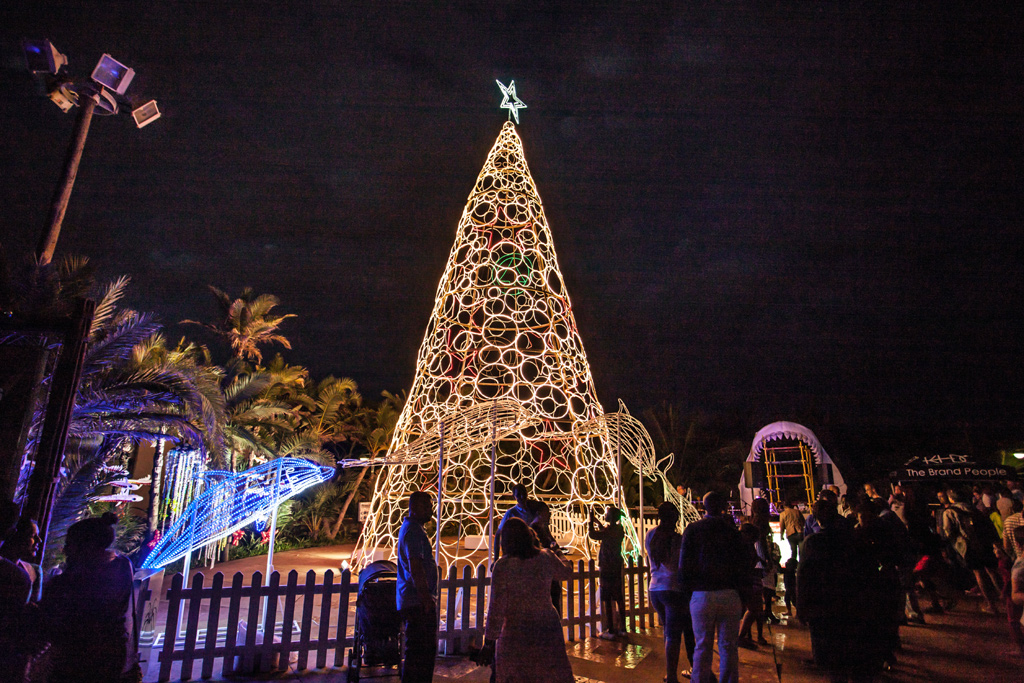
JAV Christmas Village, Abuja’s premiere yuletide fiesta, is set to unveil Africa’s tallest Christmas tree in Abuja.

Organisers say the event is part of activities for the 2024 Christmas celebration in the Federal Capital Territory (FCT).

Akonitv reports that organisers of the annual show disclosed this at an event to flag-off preparations for this year’s fiesta on Thursday in Abuja.

According to the organisers, plans are underway to make the 2024 Christmas tree unprecedented, as it is meant to surpass the current tallest one in Africa, South Africa’s GST Beacon of Hope.

The South Africa’s GST Beacon of Hope, standing at a staggering height of 125 feet, unveiled in Dec. 2023, is acclaimed to be the present tallest Christmas light tree in Africa.

Mrs Jennifer Fatorisa, Co-founder/Director of Jav Christmas Village, said the goal is to make the village an end-of-year tourist hub in Africa, therefore this year’s tree would be taller than the existing Beacon of Hope.

“Today we gathered to celebrate a momentous occasion; the flag of the tallest Christmas tree in Africa.

“We embark on an adventurous journey to witness this creation of a wondrous tree and we call her the Tree of Joy.

“We do not want to disclosed the height now, but on December 7 the tallest Christmas light tree in Africa, which will surpass the current one with almost a hundred feet, will be unveiled.

“This majestic tree, a true giant in Africa, will bring together all tribes, religions, and people from all over the world.

“This beacon of joy symbolises unity, strength, and resilience in Africa, reminding us of our shared values and aspirations.

“Over the next four months, we will be working tirelessly in setting up JAV Christmas tree and the village, building this magnificent tree, and preparing to usher Nigerians and the world into yuletide,” she said.

Also, Mrs Valentine Ighure, Co-founder/Director of Jav Christmas Village, said the event has become a holiday hotspot in the FCT, and this year’s edition would run for one month at the Abuja Continental Hotel.

She said the initiative was to have a platform to bring family together, adding that the event was not only for Christians but also for others, who are interested in having fun in Abuja.

In her goodwill message, the Minister of Tourism, Lola Ade-John, thanked the organisers for the initiative, adding that the event represents a shining example of the innovative spirit that defines Nigeria.

Ade-John, who was represented by her Special Assistant on Medical Tourism, Kelvin Ikegwuonu, said the initiative would bring joy to countless families and contribute significantly to local economy.

“Since its inception, the Jav Christmas Village has become a beacon of joy and

unity,welcoming over 300,000 visitors from all walks of life.

“This year’s Christmas Village promises to be even more spectacular, featuring an array of exciting attractions that will transform Abuja into a winter wonderland.

“It shows our commitment to creating inclusive spaces that celebrate diversity and bring families together, regardless of tribe, religion, or age.

“For this, I must applaud the organisers – Jav Festive Destination for putting together such a memorable initiative,” she said.

Akonitv reports that the event had in attendance stakeholders in the creative and entertainment sectors, heads of organisations, top government functionaries and members of the Diplomatic community.

Highpoint of the event was the official flag-off rite by the FCT minister of state, Mariya Mahmoud.

Continue Reading
Click to comment

Leave a Reply

Culture

Ofala festival: Obi of Onitsha marks 25 Years on throne

Published

on

 Ofala Festival 2026 celebrated Onitsha’s royal heritage as Obi Nnaemeka Achebe marked 25 years on the throne and addressed Nigeria’s economic challenges.

(more…)

Continue Reading

Culture

Crowds Gather for Rare Sunrise at Egypt’s Abu Simbel Temple

Published

on

Abu Simbel

Hundreds of tourists gathered at Egypt’s Abu Simbel temple to witness the twice-yearly sunrise ceremony illuminating Pharaoh Ramses II’s statue

Hundreds of tourists gathered at Egypt’s Abu Simbel temple on Thursday to witness a spectacular sunrise phenomenon in which sunlight illuminated the face of the statue of Pharaoh Ramses II, an event that occurs only twice a year.

Also read: 16 Famous Cultural Festivals That Define India

The ancient astronomical ceremony drew visitors from different parts of the world to the archaeological site in southern Egypt on October 22, one of two dates associated with the phenomenon.

The second occurrence takes place on February 22, when the rising sun illuminates the temple’s interior.

Egyptian tour guide Yasser Fouad described the occasion as extraordinary, saying some visitors had stayed overnight to secure the opportunity to witness the event.

“Today is an extraordinary day, everyone is keen, there are people who stayed over the night, foreigners who actually spent the night in Abu Simbel to see this phenomenon,” Fouad said.

The Great Temple of Ramses II at Abu Simbel dates back to the 13th century BC and is among Egypt’s most prominent archaeological attractions.

Built during the reign of Ramses II, one of ancient Egypt’s most powerful pharaohs, the temple is renowned for its monumental statues and sophisticated architectural design.

The twice-yearly sunrise phenomenon is a major attraction, drawing visitors eager to witness the interaction between sunlight and the temple’s ancient structure.

The dates have traditionally been associated with significant moments in Ramses II’s life.

October 22 is commonly linked to his birthday, while February 22 is associated with his accession to the throne.

However, the precise historical reasons behind the dates remain debated.

Some archaeologists have proposed alternative explanations, including that they may have marked the pharaoh’s coronation and birthday.

Abu Simbel underwent a major international rescue operation in the 1960s, when archaeologists and engineers relocated the temples to protect them from flooding caused by the construction of the Aswan High Dam.

The monumental structures were cut into large blocks and reassembled at a higher location, preserving the site for future generations.

The relocation was one of the most significant archaeological preservation projects of the 20th century.

Despite the move, the temple continues to attract visitors for its ancient Egyptian art, monumental architecture and remarkable alignment with the rising sun.

Also read: 16 Famous Cultural Festivals That Define India

The annual gatherings highlight the enduring appeal of Egypt’s archaeological heritage and the continuing fascination with the astronomical knowledge and engineering achievements of its ancient civilisation.

Continue Reading

Culture

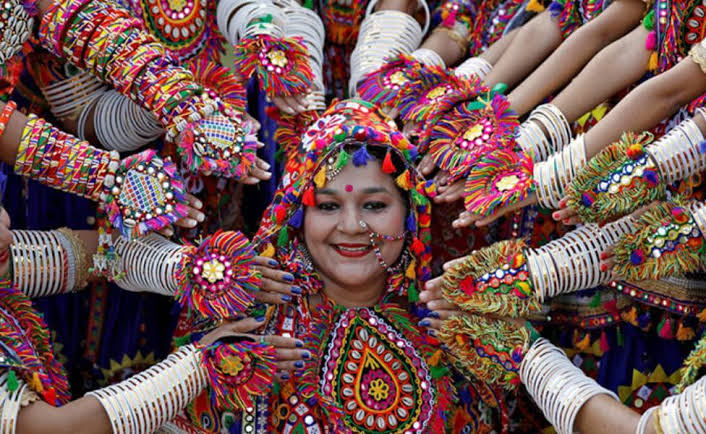
16 Famous Cultural Festivals That Define India

Published

on

India

Discover 16 famous cultural festivals in India, from Diwali and Holi to Rath Yatra and the Pushkar Camel Fair, celebrating the country’s rich heritage (more…)

Continue Reading

Trending