Odi Ogori Ba Uge Festival receives calls for investment as NTDA and Odi leaders urge brands to support cultural preservation and economic growth
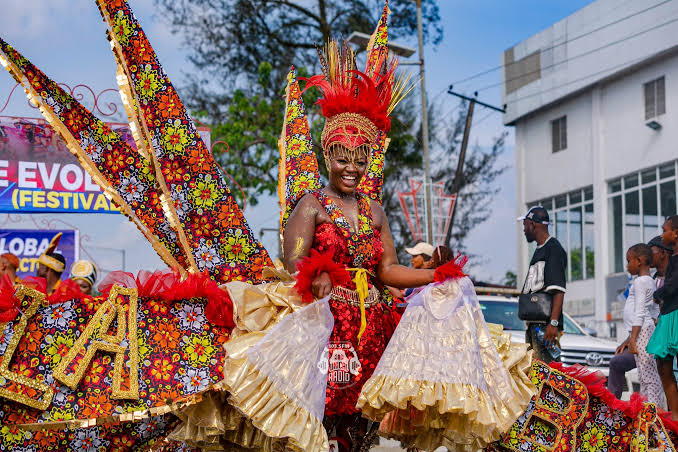
Odi Ogori Ba Uge Festival took centre stage in Lagos as the Nigerian Tourism Development Authority and the Odi community appealed to corporate brands to invest in indigenous cultural celebrations for long-term economic growth.
The call was made at a special pre-2026 media and marketing luncheon on Wednesday, where organisers sought stronger national and international partnerships for the renowned Bayelsa festival.
The Director-General of the NTDA, Olayiwola Awokan, represented by the South-West Coordinator, Alice Akinsola, said Nigeria’s festivals must be repackaged and projected to the world with renewed energy.
He noted that tourism remained a powerful driver of economic sustainability and urged brands to support communities working hard to preserve their cultural heritage.
Awokan said Nigerian festivals possessed immense global potential but communities could not bear the cost of showcasing them alone.
He encouraged stakeholders to imagine new ways of presenting festivals like Odi’s celebration for economic gain, stressing the importance of building compelling social media content to reach younger generations.
He called on the media to play an active role in documenting and promoting the country’s cultural legacy, saying that no foreign outlet would tell Nigeria’s stories better than Nigerians themselves.
Chairman of the Festival Planning Committee, Dr Ebi Udisi, said the luncheon was designed to build strategic partnerships that would transform the Odi festival into a global attraction.
He said such collaboration would foster economic inclusion, strengthen community resilience and support sustainable development across Bayelsa State.
Udisi explained that the Odi Ogori Ba Uge Festival commemorates the killing of a supernatural buffalo that terrorised the Odi community for five years in the 1950s.
Celebrated every 27 July, the week-long event has now recorded 68 uninterrupted editions, with this year’s celebration drawing over 100,000 visitors.
He said the community’s rich cultural heritage extended beyond the festival, highlighting fishing, farming, crafts and historic sites linked to the infamous buffalo.
A museum is currently being developed to house artefacts and relics associated with the festival’s story.
Udisi described the entire town of Odi as a tourism site and stressed that despite the festival’s popularity in the Niger Delta, the ambition was to position Bayelsa as a major cultural tourism hub through continued expansion of the event.
He appealed to corporate brands to partner with the organisers and help project Odi onto the global cultural stage.





 Culture4 years ago


