Idanre Hill set for a major revival as Ondo State plans rehabilitation and revival of Mare Festival to restore its lost tourism glory
Idanre Hill, one of Nigeria’s most iconic natural wonders, is set for a major revival as the Ondo State Government unveils plans to rehabilitate the site and restore it to its former glory.
The move follows years of neglect that left the once-thriving tourist destination in ruins.
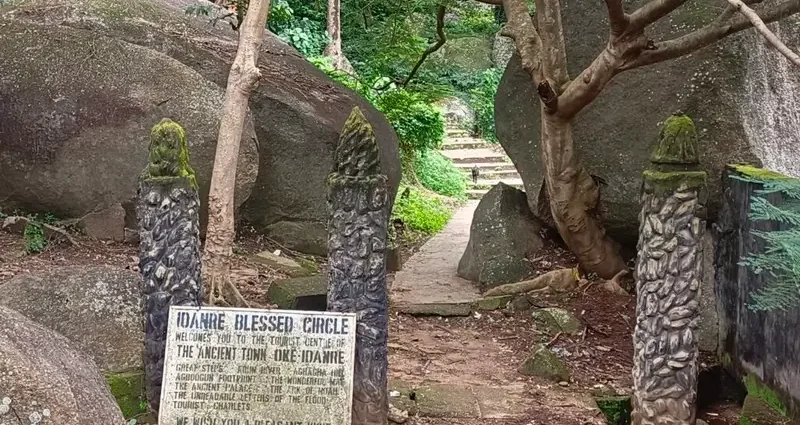
Located about 20 kilometres southeast of Akure, Idanre Hill known locally as Oke Idanre towers over the ancient town of Idanre, offering breathtaking scenery and cultural depth.
The site, which was added to the UNESCO World Heritage tentative list in 2007, is famed for its 680-step climb, seven resting points, and panoramic view of the surrounding landscape.
Once a vibrant hub of tourism and cultural exchange, Idanre Hill attracted visitors from around the world, especially during the celebrated **MARE Festival**, introduced under former Governor Olusegun Mimiko to promote mountain climbing, music, and local culture.
The event boosted tourism, created jobs, and transformed Idanre into a major destination in Nigeria’s southwest.
However, in recent years, poor maintenance, lack of funding, and government neglect have turned the site into a shadow of its former self.
Facilities have deteriorated, structures have collapsed, and miscreants have taken over parts of the premises. Once-busy tourist paths are now deserted, with reports of harassment and extortion discouraging visitors.
A tourist, Tolu Okoye, lamented the site’s decay, describing her experience as disappointing compared to other destinations.
“The government should ensure proper maintenance. The facilities are in ruins, and the environment feels unsafe,” she said.
Another visitor, Femi Arotoye, blamed successive administrations for abandoning public investment in the site. “This is not how to protect taxpayers’ money. The place used to be lively and clean, but now it’s a shadow of what it was ten years ago,” he noted.
Responding to growing concerns, the Ondo State Commissioner for Culture and Tourism, Afolabi Adesoji, announced that the government had approved a comprehensive rehabilitation of the site.
The project, to be carried out by the Ministry of Works, will include rebuilding the reception hall, swimming pool, and guest chalets, alongside improved security.
Adesoji confirmed that the MARE Festival would make a comeback from December 27 to 30, 2025, after nearly a decade of absence.
“Governor Lucky Aiyedatiwa has approved the festival’s return and a full site facelift. By 2026, Idanre Hill will once again be a vibrant, world-class tourist resort,” he said.
Stakeholders have also urged the government to adopt a long-term strategy to sustain tourism at Idanre Hill. Recommendations include developing eco-friendly resorts, improving access roads, introducing a ropeway to the peak, and launching digital tools like a mobile app for visitor engagement.
Cultural leaders, however, emphasised the need to balance modern tourism with local traditions.
The Osolo of Idanreland, His Eminence Ojo Alalabiaye Ilufemiloye I, clarified that while the Mare Festival was a social innovation, the town’s recognised festivals — such as Orosun, Odun Osolo, and Aheregbe remain vital to Idanre’s cultural identity.
Tourism enthusiasts like broadcaster Eniola Olurankinse have called for a holistic development plan that includes a resort, local restaurant, guest houses reflecting Idanre’s architecture, and cultural attractions celebrating African heritage.
With renewed government commitment, community collaboration, and private-sector investment, Idanre Hill may soon reclaim its place as one of Nigeria’s premier tourist attractions and a symbol of the nation’s cultural and natural wealth.










 Culture4 years ago


