
Culture
Lagos Tourism Development Gets Major Boost with Projects

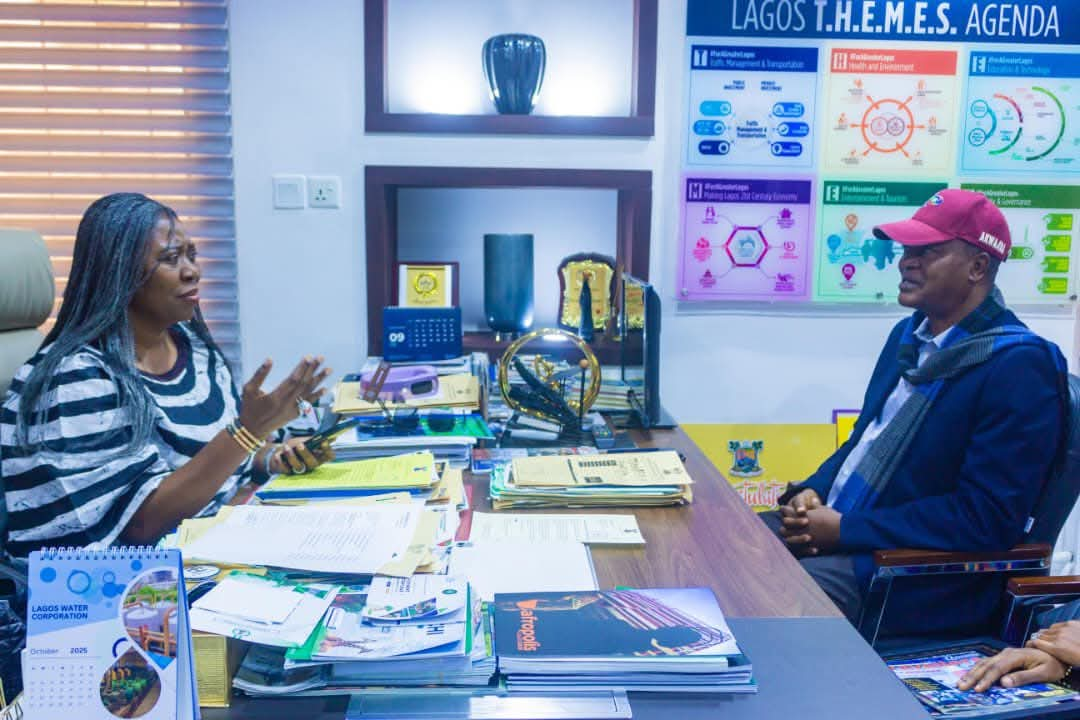
Lagos tourism development gets a boost as the State invests in Badagry chalets and coastal attractions to position itself as Africa’s top destination
Lagos tourism development has received renewed government backing as the State embarks on strategic infrastructure projects aimed at cementing its place as Africa’s leading destination for leisure and cultural experiences.
Also read: Lagos Tourism BBC Engagement Showcases Culture on Global Media Stage
Commissioner for Tourism, Arts and Culture, Mrs Toke Benson-Awoyinka, disclosed the plans on Thursday during a courtesy visit by the Chief Executive Officer of AKWAABA Africa Travel Market, Ambassador Ikechi Uko, to her office in Alausa, Ikeja.
According to her, the State Government is constructing 68-bed chalets in Badagry, a significant investment designed to boost hospitality offerings and attract both local and international visitors.
“These projects are part of efforts to reposition Lagos as Africa’s leading destination for tourism and leisure. The chalets will unlock Badagry’s potential and enhance the image of Lagos tourism,” Benson-Awoyinka said.
While noting that Lagos is richly endowed with natural and cultural attractions, the Commissioner lamented that many residents remain unaware of the treasures around them.
She encouraged citizens to explore the State’s hidden gems and embrace its vibrant heritage.

She also highlighted the choice of Tarkwa Bay Beach as the venue for this year’s World Tourism Day celebration, describing it as symbolic of the Ministry’s renewed focus on coastal tourism and investment.
“Our focus is shifting to Lagos’ beaches, with bustling markets and coastal opportunities for growth,” she explained.
Ambassador Uko praised the State Government’s proactive approach, particularly its emphasis on beach tourism, calling it a forward-looking step that would strengthen Lagos’ reputation as a coastal hub.
He also welcomed the Ministry’s renewed attention to natural attractions and expressed readiness to partner with the State to drive sustainable growth in the sector.
Also read: Lagos Tourism Fair 2025 targets N5 Billion in sales to boost Trade, SMEs
With new chalets, cultural promotion, and an emphasis on coastal development, Lagos is positioning itself to harness tourism as both an economic driver and a cultural unifier.







Why Nigeria needs the All-Nigeria Rotary Peace Summit

Pasuma, Malaika Headline Star-Studded Owode Ifa Festival

Dexter Loko Wins Prestigious 2026 Chinua Achebe Prize


 Culture4 years ago
The Four Igbo Market Days and Their Significance In Omenala ÌGBÒ
- Business4 years ago
Ooni of Ife Discusses Business and Peace Initiative in Kenya
- Events4 years ago
Glamour, glitz as B’obagunwa Omo’ba Obinrin Akile Ijebu celebrates New Year party (Photos)
- Culture4 years ago
Outrage as Ezendigbo of Ibadanland confers chieftaincy title on Olubadan
- Events4 years ago
Onitoomu of Ito-Omu installs two new chiefs (Video, Photos)
- Events2 years ago
Egbe Bobasete: The New Fashion Sensation Elevates 2024 Ojude Oba Festival (Video, Photos)
 Events3 years ago
NANTAP Convention 2023: Reshaping Nigerian Theatre Arts for economic growth
- Paranormal4 years ago
Black Cat Superstition: Good and Bad Luck Beliefs


