Connect with us

Culture

Korean Lunar new year celebrated in Abuja: KCCN brings traditional games, culture to Nigeria

Published

on

Korean Lunar New Year in Nigeria

KCCN celebrated Korea’s Lunar New Year, Seollal, in Abuja with traditional Korean games, bringing cultural connections between Nigeria and Korea


The Korea Cultural Center in Nigeria (KCCN) recently hosted an exciting and vibrant cultural event in Abuja to celebrate the Lunar New Year, known as *Seollal*, and share aspects of Korean heritage with Nigerians.

Also read: Destination Lagos Awards 2024: A night to celebrate culture, tourism, and excellence

The event, which featured traditional Korean games like Gong-gi, Jegi-Chagi, and Ttakji-Chigi, alongside authentic Korean snacks, highlighted the cultural ties between Korea and Nigeria, particularly through the lens of traditional games and festivities.

*Seollal*, Korea’s Lunar New Year, holds deep cultural significance as the most important traditional holiday in the country.

Much like the Chinese New Year, *Seollal* is a time when families come together to celebrate the beginning of a new lunar year, paying respects to their ancestors, sharing traditional foods, and playing games.

The event in Abuja aimed to introduce Nigerians to these customs, showcasing how the celebration fosters unity, family bonds, and wishes for good fortune in the year ahead.

Ms. Yujin Lee, KCCN’s Cultural Event Manager, explained the importance of the event, noting that *Seollal* is Korea’s largest holiday, much like Chuseok (Korean Thanksgiving).

“The celebration is a chance to express gratitude to one’s ancestors,” Lee said. “Traditional games such as Gong-gi, Jegi-Chagi, and others are integral to the festivities because they involve gathering people together.”

The event also drew attention to the connections between Korean and Nigerian traditional games. Ms. Jennifer Ezeonyeasi, KCCN’s Cultural Events and Communications Officer, highlighted how traditional Korean games have become part of global pop culture, particularly with the international success of the *Squid Game* series.

She explained, “We tried to incorporate some of the traditional games that were featured in *Squid Game* into this event, allowing participants to experience Korea’s cultural games while celebrating the Lunar New Year.”

The games featured at the event included Yutnori, a board game traditionally played by Korean farmers, and others like Gong-gi (a game involving stones) and Jegi-Chagi (a foot game akin to keepy-uppy).

These games were adapted for Nigerian participants, who enjoyed them in various ways, such as throwing and catching stones or using their feet to keep items airborne.

Ezeonyeasi emphasized that these games shared similarities with traditional Nigerian games, underscoring the cultural similarities between the two countries.

“By showcasing these games, we’re celebrating the cultural exchange between Nigeria and Korea. The games reflect how our cultures overlap and how we can connect through these shared experiences,” she said.

The celebration left a lasting impression on participants. Ms. Nimat Ajaji, a winner of the *Yutnori* game, expressed her enthusiasm for the event, saying, “Seollal is as important in Korea as Chuseok, and this event has been a wonderful way to connect with the Korean community here in Nigeria.”

Ajaji, who has been following Korean culture for 12 years, explained that *Yutnori* is traditionally played by farmers in Korea to usher in the new year and pray for a good harvest.

Mrs. Ene Igwe, another participant, praised the variety of games and the inclusive nature of the event, noting that it was a delightful experience for anyone interested in Korean culture.

“The Korean community in Nigeria has done a great job involving Nigerians in their activities. I’m so happy to have participated in these traditional games,” she said.

KCCN’s *Seollal* event in Abuja successfully brought Korean traditions to Nigeria, offering both cultures an opportunity to learn from each other while celebrating the shared joys of family, tradition, and good fortune for the year ahead.

Continue Reading
Click to comment

Leave a Reply

Culture

WAKE UP! Art Exhibition Returns for a Second Act

Published

on

WAKE UP

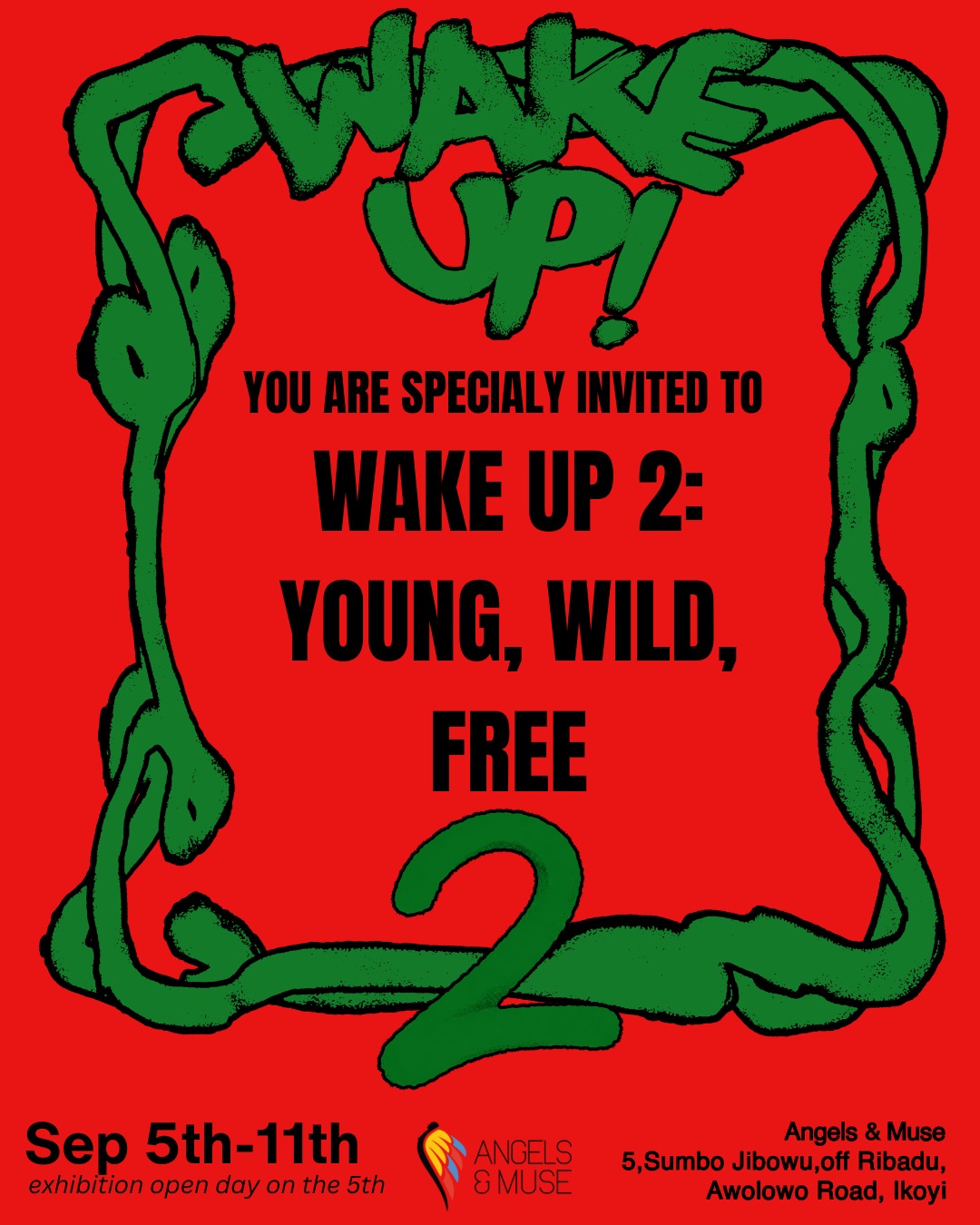
The contemporary art and photography exhibition “Wake Up!” is back again for a second edition.

Curated by Awele Onwordi, Wake Up! 2 exhibition pays homage to the Nigerian youth and burgeoning street culture which many of its contributing artists reference in their works.

Also read: Five rising stars battle for 2026 Headies Next Rated

Titled “Young, Wild, Free”, the exhibition celebrates the creativity, resilience, freedom and cultural influence found in Nigerian youth.

Taking aim at societal issues and economic concerns, the exhibit reflects the youth and their refusal to compromise or bow despite all the challenges stacked against them while charting youth culture through art, music, fashion, skateboarding, photography and community.

The exhibition will be held, once again, at the Angel and Muse Gallery at 25 Sumbo Jibowu street off Ribadu Road off Awolowo Road in Ikoyi.

It will open on Saturday 5 September 2026 and will run until 11 September 2026
This second edition which focuses on celebrating, nurturing and exploring artistic practices rooted in youth and street culture will feature works from DENCITY and SUPERGLIDER HOUSE.

Exhibiting artists include Ajilore Kehinde – their work is deeply influenced by Nigerian street culture and works of other artists like Slawn, Peters Ejiro, etc, Chuka Onwordi – graphic designer who embodies themes of death, melancholy and beauty in his works, ZIDYEP – Abuja based creative whose works move between digital and physical spaces through art, graphic design and air brushing , Franklyn Okoye – graphic designer and artist whose works explore themes of identity and hyper-reality, Awele Onwordi – founder & curator of WAKE UP and multidisciplinary artist whose practice spans character art, creative logo design, album covers and more , Oluchi Kogolo – digital illustrator whose work explores street culture, personality and storytelling through a raw and playful visual style and Kozetuo Apeji – multidisciplinary artists who work explores experimental approaches to problem solving through both digital and traditional art forms.


Commenting on the exhibition in her curatorial statement, Awele noted that “despite economic instability, limited opportunities and socio-political challenges, Nigerian youth continue to shape culture through music, fashion, art, skateboarding, raves, photography and community.”

Also read: Five rising stars battle for 2026 Headies Next Rated

Continuing and harping on the raison d’etre of the exhibition she said, “Young, Wild and Free exists to celebrate Nigerian youth while also creating a platform that supports and amplifies them.”
Continue Reading

Culture

Isese Day 2026: Sotayo Gaga, Farulee Light Up Lagos Festival

Published

on

Isese Day

Isese Day 2026 brought colourful Yoruba celebrations to Lagos as Sotayo Gaga and Farulee joined the festivities and attracted attention from fans (more…)

Continue Reading

Culture

Oyebanji backs bold cultural growth at Ekiti festival

Published

on

Oyebanji

Oyebanji cultural growth plans aim to transform Ekiti’s Udiroko Festival into a major tourism, jobs and investment platform while preserving heritage

(more…)

Continue Reading

Trending