Connect with us

Culture

When Ijebu-Ode stood still for Ojude Oba festival

Published

on

When Ijebu-Ode stood still for Ojude Oba festival

The ancient town of Ijebu-Ode in Ogun State came alive with fanfare, grandeur, and cultural glamour as people dressed in different colourful cultural attires celebrated the Ojude Oba (The King’s Forecourt) Festival on June 18, 2024.

This year’s edition of the annual event had the theme— Ojude Oba: Unity and Harmony, Our Gift— was held, as usual, on the third day of Eid-al-Kabir, at the Awujale of Ijebuland, Oba Sikiru Adetona’s pavilion in Ijebu-Ode.

The festival usually includes activities such as the parade of the ‘Regberegbe’ known as the age groups, horse riding, and colourful dances.

Over 90 age groups turned out in glamorous attire, and the Balogun Kuku family eventually won the parade for the eighth time in a row, and were awarded a N500,000 cash prize, sponsored by Globacom Nigeria, a long-standing sponsor of the festival.

Aside from the cultural display by different regberegbe’, other activities that caught the attention of many, included a horse displaying impressive dancing skills, which people gathered to watch. The horse danced gallantly to the drumbeats, stamping its hooves on the ground.

All this happened as the Awujale of Ijebuland, Oba Sikiru Adetona, sat regally and observed the proceedings with pleasure.

Notable guests at the event included the Chief Executive Officer, Metropolitan Motors Limited, Olutoyin Okeowo; Group Chief Executive Officer, FCMB Group Plc, Ladi Balogun; and Non-Executive Director of FCMB Group, Prof Oluwatoyin Ashiru.

Other dignitaries were a former governor of the state and incumbent Senator representing Ogun East Senatorial District, Gbenga Daniel; veteran fuji musician, Wasiu Ayinde, aka K1 De Ultimate; and other celebrities such as Femi Branch and Wumi Toriola, among others.

Expressing his administration’s commitment towards making the festival a global event, the Ogun State Governor, Dapo Abiodun said, “Ojude Oba festival is not only a cultural heritage for the indigenes of Ijebuland, it has now become a significant event that attracts local and foreign tourists to Ogun State, showcasing our hospitality and enviable tradition of Ijebuland to the national and global audience.

“This festival serves as a symbol of our unity, tourism and a rallying point to all the Ijebu sons and daughters to celebrate our tradition, culture, and revered monarch.”

Meanwhile, the Federal Government has announced plans to list the festival as one backed by UNESCO.

The Minister of Culture, Arts, and Creative Economy, Hannatu Musa-Musawa, who was represented by the Director of Cultural Agencies and Heritage, Ben Anama, noted that the annual festival was a platform for fostering the unity of the country, and one of the country’s tourism potentialities, adding that Nigeria could tap into it to diversify the economy from oil, and generate more resources.

The festival is known to boost the local economy by attracting thousands of visitors, which in turn benefit businesses, artisans and vendors.

The festival began in the late 19th century as a small gathering of Muslim converts, who wanted to thank the Awujale for allowing them practice their religion freely. Over time, it has grown into a major event.

Continue Reading
Click to comment

Leave a Reply

Culture

Ofala festival: Obi of Onitsha marks 25 Years on throne

Published

on

 Ofala Festival 2026 celebrated Onitsha’s royal heritage as Obi Nnaemeka Achebe marked 25 years on the throne and addressed Nigeria’s economic challenges.

(more…)

Continue Reading

Culture

Crowds Gather for Rare Sunrise at Egypt’s Abu Simbel Temple

Published

on

Abu Simbel

Hundreds of tourists gathered at Egypt’s Abu Simbel temple to witness the twice-yearly sunrise ceremony illuminating Pharaoh Ramses II’s statue

Hundreds of tourists gathered at Egypt’s Abu Simbel temple on Thursday to witness a spectacular sunrise phenomenon in which sunlight illuminated the face of the statue of Pharaoh Ramses II, an event that occurs only twice a year.

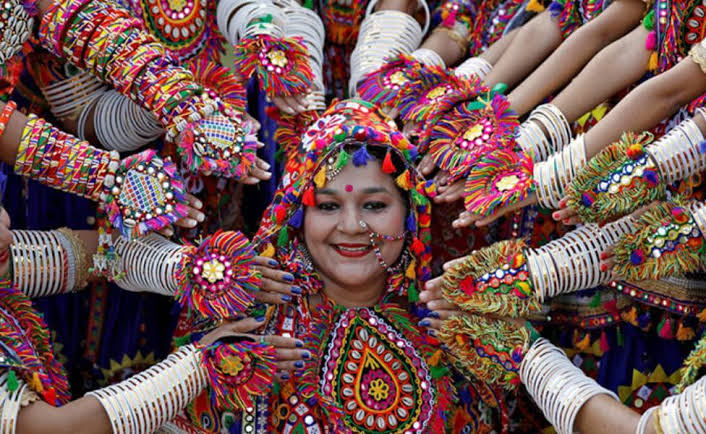
Also read: 16 Famous Cultural Festivals That Define India

The ancient astronomical ceremony drew visitors from different parts of the world to the archaeological site in southern Egypt on October 22, one of two dates associated with the phenomenon.

The second occurrence takes place on February 22, when the rising sun illuminates the temple’s interior.

Egyptian tour guide Yasser Fouad described the occasion as extraordinary, saying some visitors had stayed overnight to secure the opportunity to witness the event.

“Today is an extraordinary day, everyone is keen, there are people who stayed over the night, foreigners who actually spent the night in Abu Simbel to see this phenomenon,” Fouad said.

The Great Temple of Ramses II at Abu Simbel dates back to the 13th century BC and is among Egypt’s most prominent archaeological attractions.

Built during the reign of Ramses II, one of ancient Egypt’s most powerful pharaohs, the temple is renowned for its monumental statues and sophisticated architectural design.

The twice-yearly sunrise phenomenon is a major attraction, drawing visitors eager to witness the interaction between sunlight and the temple’s ancient structure.

The dates have traditionally been associated with significant moments in Ramses II’s life.

October 22 is commonly linked to his birthday, while February 22 is associated with his accession to the throne.

However, the precise historical reasons behind the dates remain debated.

Some archaeologists have proposed alternative explanations, including that they may have marked the pharaoh’s coronation and birthday.

Abu Simbel underwent a major international rescue operation in the 1960s, when archaeologists and engineers relocated the temples to protect them from flooding caused by the construction of the Aswan High Dam.

The monumental structures were cut into large blocks and reassembled at a higher location, preserving the site for future generations.

The relocation was one of the most significant archaeological preservation projects of the 20th century.

Despite the move, the temple continues to attract visitors for its ancient Egyptian art, monumental architecture and remarkable alignment with the rising sun.

Also read: 16 Famous Cultural Festivals That Define India

The annual gatherings highlight the enduring appeal of Egypt’s archaeological heritage and the continuing fascination with the astronomical knowledge and engineering achievements of its ancient civilisation.

Continue Reading

Culture

16 Famous Cultural Festivals That Define India

Published

on

India

Discover 16 famous cultural festivals in India, from Diwali and Holi to Rath Yatra and the Pushkar Camel Fair, celebrating the country’s rich heritage (more…)

Continue Reading

Trending