
Culture
Olómú Festival Attracts Wider Support Amid Rising Community Pride

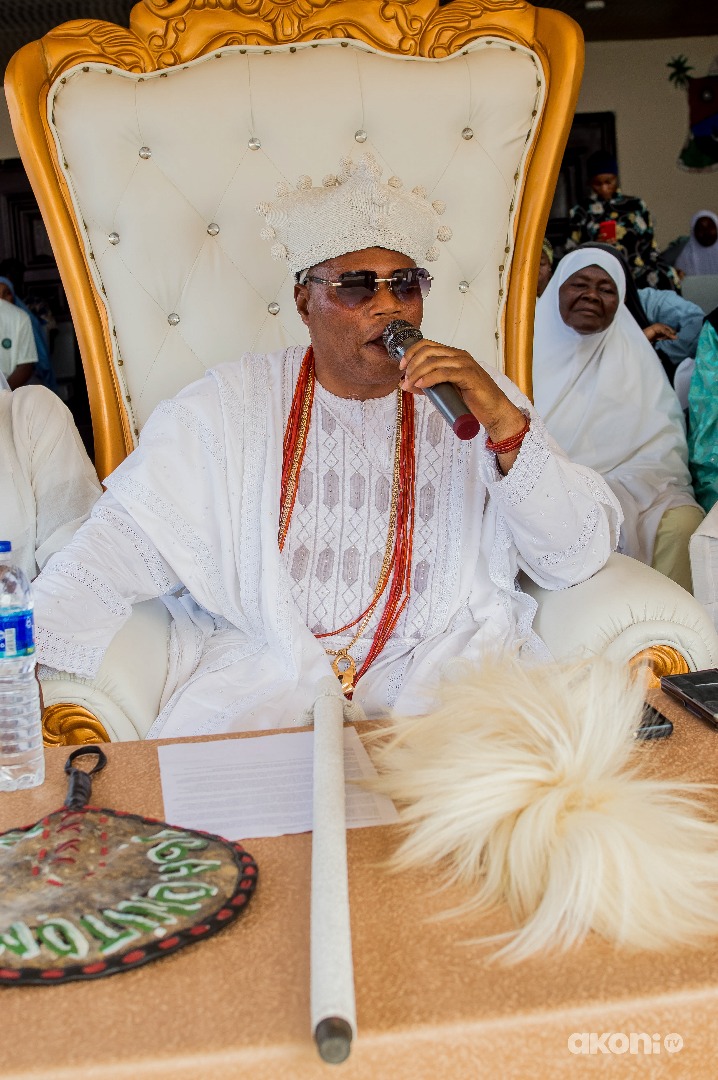
Olómú Festival gains strong backing as Ito Omu prepares a major eco cultural celebration for 2026
Coordinator of the Olómú Festival, Olori Ololade Oshin, has announced in Ito Omu that traditional rulers, community leaders, and local institutions have endorsed the Olómú Festival, confirming its maiden 2026 edition as a major eco cultural celebration.
Also read: Nihotour Gastronomy Festival Gets New Date in Bold World Record Push
The Olómú Festival is positioned to strengthen environmental awareness, cultural preservation, and sustainable development across the Epe Division of Lagos State.
Olori Oshin, who also doubles as the Iyalaje of Ito-Omu Kingdom, explained that the organisers intend to use the festival as a cornerstone for broader community growth.
She revealed that Ito Omu plans to build a tourist village on its vast land, an initiative designed to elevate the festival’s profile and attract both local and foreign visitors.
She added that the community intends to expand agricultural cultivation to improve its contribution to food supply in Nigeria, while also advancing its fishing sector and harnessing the economic potential of its rich palm resources.
She stressed that achieving these ambitions will require committed support from both government institutions and private sector partners.
The coordinator noted that Ito Omu’s cultural heritage, natural wetlands, forested landscapes, and interconnected creek networks provide a compelling foundation for the festival.
She stated that the Lagos State Government, the Lagos State Waterways Authority, Epe Local Government, and the region’s revered monarchs have already offered strong backing.
His Royal Majesty Oba Kamorudeen Animashaun, Oloja of Epe; Oba Taiwo Yusuff Gbadamosi, Onitoomu of Ito Omu Ancient Town; and Oba Nurudeen Ebudola Alugbin, Oniladaba of Ladaba, all described the festival as an important driver of cultural revival and sustainable tourism.
A lively boat regatta added colour to the announcement, giving attendees a vibrant preview of the festival’s cultural energy and community spirit.
As preparations continue toward the inaugural 2026 edition, Olori Oshin invited corporate sponsors, development partners, and private organisations to participate in the initiative.
Also read: Olómú Festival Attracts Wider Support Amid Rising Community Pride
She affirmed that supporting the Olómú Festival offers a meaningful opportunity to promote environmental care, youth empowerment, cultural pride, and long term regional development.


Olómú Festival Attracts Wider Support Amid Rising Community Pride






Why Nigeria needs the All-Nigeria Rotary Peace Summit

Pasuma, Malaika Headline Star-Studded Owode Ifa Festival

Dexter Loko Wins Prestigious 2026 Chinua Achebe Prize


 Culture4 years ago
The Four Igbo Market Days and Their Significance In Omenala ÌGBÒ
- Business4 years ago
Ooni of Ife Discusses Business and Peace Initiative in Kenya
- Events4 years ago
Glamour, glitz as B’obagunwa Omo’ba Obinrin Akile Ijebu celebrates New Year party (Photos)
- Culture4 years ago
Outrage as Ezendigbo of Ibadanland confers chieftaincy title on Olubadan
- Events4 years ago
Onitoomu of Ito-Omu installs two new chiefs (Video, Photos)
- Events2 years ago
Egbe Bobasete: The New Fashion Sensation Elevates 2024 Ojude Oba Festival (Video, Photos)
 Events3 years ago
NANTAP Convention 2023: Reshaping Nigerian Theatre Arts for economic growth
- Paranormal4 years ago
Black Cat Superstition: Good and Bad Luck Beliefs


