Connect with us

Festivals

Lagos State, Others celebrate Isese Day

Published

on

Lagos State, Others celebrate Isese Day

Lagos State joined other South-West states in celebrating Isese Day in a bid to promote and preserve the rich cultural heritage of the state. Isese day is observed on August 20th, in line with the United Nations’ World Traditional Religion Day.

Isese Day is a significant celebration of the Yoruba religion, which encompasses the traditional spiritual beliefs and practices of the Yoruba people, predominantly found in southwestern Nigeria, including Lagos, Oyo, Osun, Ondo, Ekiti, Kwara, and parts of Kogi State.

To commemorate this occasion, the Special Adviser to the Governor on Tourism, Arts, and Culture, Mr. Idris Aregbe led a delegation from the Ministry of Tourism, Arts, and Culture, along with the Lagos State Council for Arts and Culture, to visit traditional Obas and titled heads across the state.

During the visit, Mr Aregbe congratulated the Obas and urged them to use the occasion to pray for peace, unity, and stability in the state and the country at large. He emphasised the importance of preserving cultural heritage and promoting indigenous traditions, highlighting the government’s commitment to supporting traditional institutions.

Aregbe said that the state government also enjoined the traditional worshippers to celebrate in moderation and respect the rights of others, ensuring that the culture of religious tolerance in the state is upheld.

As part of the festivities, the Special Adviser joined celebrations at the Palace of His Royal Majesty, Oba Rilwan Akiolu of Lagos. The revered Monarch shared words of wisdom with adherents who gathered at the palace to celebrate with him, urging everyone to embrace truth and patience and to pray for divine guidance for our leaders. He emphasised the importance of respect, understanding, and spiritual growth, advocating for prayers and support for leaders to foster a more harmonious and progressive society.

Mr. Aregbe’s visit to the palace was a significant moment in the Isese Day celebrations, highlighting the collaboration and mutual respect between traditional institutions and the government.

The Special Adviser also visited the palace of the Oniru of Iru Land, Oba Abdulwasiu Omogbolahan Lawal, who commended Governor Sanwo-Olu for approving Isese Day as a public holiday, allowing workers to celebrate Yoruba culture and heritage. Oba Lawal pledged that traditional rulers would continue educating the youth about Lagos’ culture and heritage and presented a publication on the history of Iru Land, along with a Quarterly Gazette, to the Special Adviser.

Oba Lawal also noted that the Iru Kingdom had begun consultations and appeasement of the gods, particularly Olokun Aje at the beachside, for peace, progress, and unity in the community, Lagos State, and Nigeria earlier in the day.

The celebration is a testament to the Lagos State Government’s dedication to promoting, propagating, and preserving the state’s rich cultural heritage. It featured various cultural parades by different traditional groups, prayers, music, and dance.

By joining other South-West states in observing Isese Day, the Lagos State Government aims to foster a sense of unity and shared identity among the Yoruba people and other traditional communities, enhancing the preservation of cultural heritage

Continue Reading
Click to comment

Leave a Reply

Entertainment

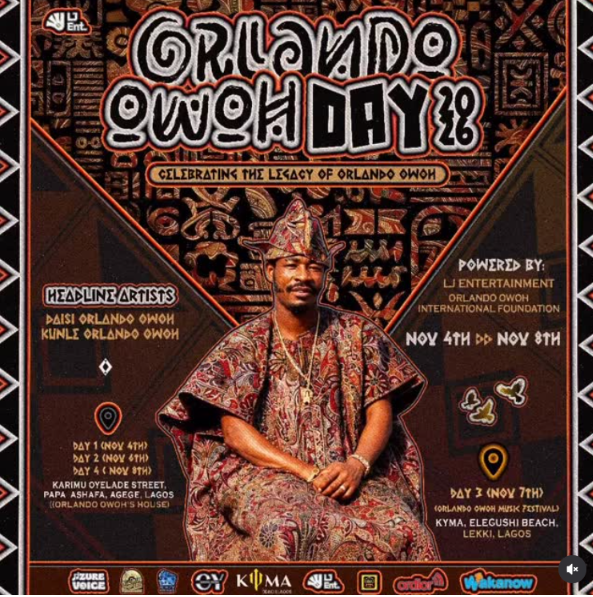
Orlando Owoh Music Festival Set for November 7 in Lagos

Published

on

Orlando Owoh

Orlando Owoh Music Festival 2026 holds November 7 at KYMA Beach, Lagos, celebrating the highlife legend’s legacy and distinctive Kenery sound

(more…)

Continue Reading

Entertainment

Chinazaekpere Chukwu’s ‘Her Daughters’ Mother’ Heads to London Festival

Published

on

‘Her Daughters’ Mother’
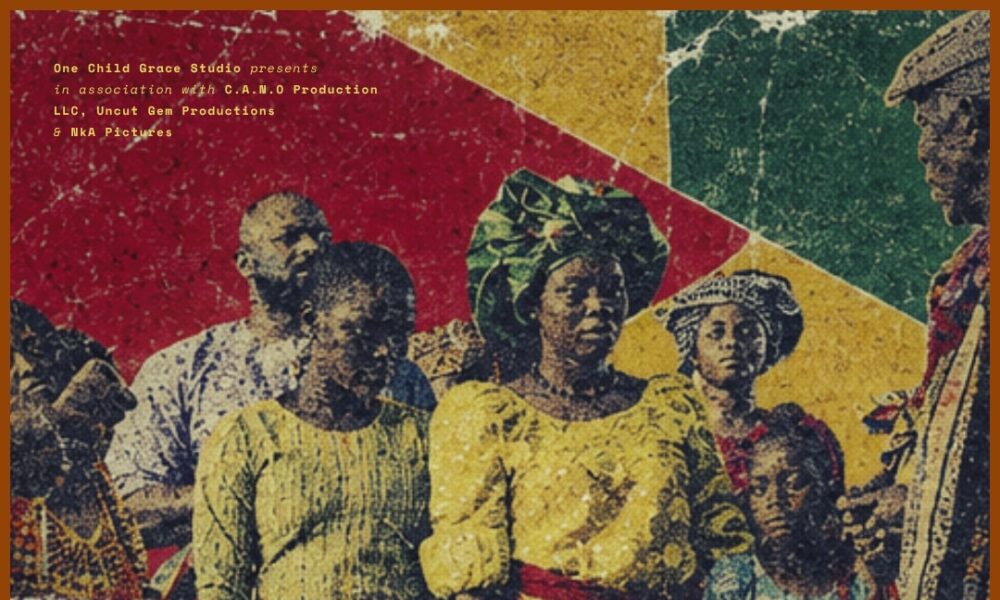
Her Daughters’ Mother, Chinazaekpere Chukwu’s feature directorial debut, has been selected for Film Africa 2026 in London

(more…)

Continue Reading

Culture

OLOJO….Ile Ife’s September Gift To Culture

Published

on

OLOJO

By Halima Adaba,


It was a featubal if the people. It was for the anciebt town of Ile Ife, which the Yoruba race refards as the Source.

Also read: Olojo Festival 2026: Ooni Urges Leaders to Prioritise Citizens

And ut was a festivsl for the King, Arole Oduduwa, Oonirisa, Adeyeye Enitan Ogunwusi, Ojaja II.

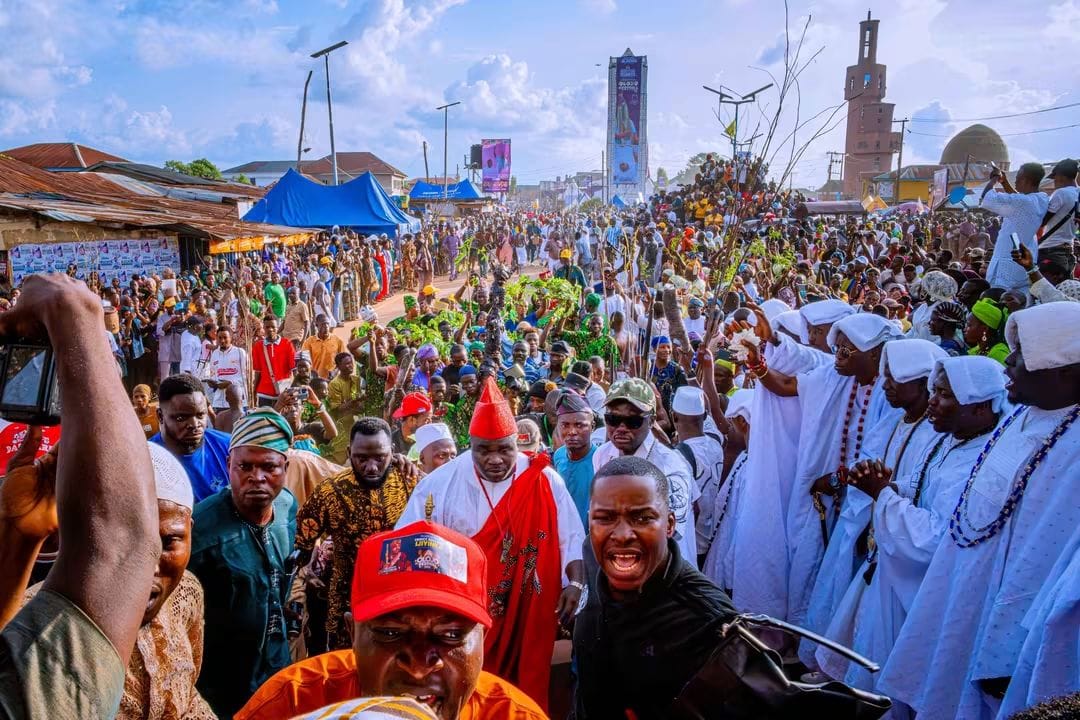
And so between September 24 and 28th 2026, the annual featuval dazzjed in all its white glory.

Tge Monarch paid the traditional ancestral homage and offered propitiation as part of the sacred rites of the Olojo Festival.
It was a powerful expression of Yoruba heritage, spirituality, and enduring tradition.

Call it a collection of beautiful moments, faces, colours and cultural expressions.

Every frame tells a story.

Every face carries the energy.

Every moment keeps the heritage alive.

Undoubtedly one of the most sacred cultural celebrations in Ilé-Ifẹ̀. It marked a day associated with creation, thanksgiving, ancestral heritage, and the sacred appearance of the Ooni of Ife wearing the revered Aàrẹ crown.

There were also the devotees of the famed god of thunder – Sàngó who were hardly conspicuous at the festival.

Many other traditional groups came out with candor, showing a powerful expression of Yoruba cultural identity, spiritual devotion, and respect for the ancient traditions of Ilé-Ifẹ̀.

Devotees of Sàngó bekieved the ‘appearance’ of the god of thunder on Seotember 26th could be understood as a symbolic meeting of ancestral heritage, spiritual devotion, and the celebration of creation.

It was a moment when the sounds of drums, chants, and traditional praise poetry brought the history of the Yoruba people to life.

Although Olojo is closely associated with Ogun, the god of iron, and the sacred traditions of Ile-Ife, the presence of Sàngó devotees reflected the rich diversity of Yoruba spiritual heritage.

Also read: Olojo Festival 2026: Ooni Urges Leaders to Prioritise Citizens

As a participant enthused at the festival, “To witness Sàngó Olúkòso emerge on Olojo Festival day is to witness a living expression of history, identity, and ancestral pride.”

Continue Reading

Trending