Connect with us

Culture

World Museum Day: Stakeholders harp on significance of museums in preserving, promoting cultural heritage

Published

on

Stakeholders in the culture sector have emphasised the significance of museums in preserving and promoting cultural heritage and as exchange centres that positively impact contemporary society by showcasing the rich histories of different nations and fostering cultural cooperation.

The stakeholders made this known on Saturday, May 18, at the Lagos State University Centre for Museums and African Heritage (LASUCEMAH) located in Pen-Cinema, Agege Lagos, during this year’s celebration of the International Museum Day with the theme: “Unlocking Knowledge: Museums for Education and Research”.

Delivering the opening address, the Vice Chancellor of Lagos State University, Professor Ibiyemi Ibilola Olatunji-Bello, represented by the Deputy Vice Chancellor Administration, Professor Adenike Omotunde Boyo, emphasised the significance of museums as cultural exchange centres that positively impact contemporary society by showcasing the rich histories of different nations and fostering cultural cooperation.

She echoed the importance of cultural institutions in providing historical educational experiences, underscoring the role museums play in supporting the sustainable development goals of the United Nations, with a focus on inclusive and equitable quality education and life-long learning opportunities.

Emphasising the theme, the Guest Lecturer and Chairman, Epe Local Government, Epe, Lagos, Princess Surah Animashaun, highlighted the vital role of museums in shaping the understanding of the world across various disciplines.

Animashaun commended the LASUCEMAH for its efforts in preserving cultural artefacts and promoting collective heritage through research, exhibition, and documentation.

Speaking on “The Impact of Museums on Lagos History and Culture”, Dr Habeeb A. Sanni, another guest lecturer, who is also the Acting Director, Directorate of Skills Development and Entrepreneurship, Lagos State University, elaborated the essential role museums play in preserving and promoting cultural heritage through exhibitions, educational programmes, and digital initiatives, despite challenges like limited funding and infrastructure.

He, also, emphasised that museums in Lagos enhance public understanding of the city’s history, foster local pride and identity, and contribute significantly to tourism and cultural exchange.

The Curator and Deputy Director, LASUCEMAH, Mr. Gbaja Kolawole Patrick in his vote of thanks stated that the event underscored the vital role of in education and cultural preservation, re-affirming their importance in contemporary society.

The celebration also featured a debate by students from several secondary schools on the topic: “The Role of Museums in Education” alongside cultural dances and displays showcasing Nigeria’s rich cultural heritage.
The participating schools included Keke Senior High School, District Junior College, Dairy Farm Senior College, Unity Junior College, Stadium Junior Grammar School, Yewa Junior High School, and Sango Senior Secondary School.

Awards of appreciation were presented to the two guest speakers. Notable personalities present at the event were representative of the University Registrar, Dr Lateef Shekoni, the Elegbeda of Egbeda, HRM Oba Hameed Adeyemi Aremu, Professor Olayinka Amuni, Professor Tayo Ajayi, Dr Raheem Ibrahim, Director, Directorate of Internal Audit, Lagos State University, Mrs. Margaret I. Ogunkoya and other distinguished guests.

Continue Reading
Click to comment

Leave a Reply

Culture

Ofala festival: Obi of Onitsha marks 25 Years on throne

Published

on

 Ofala Festival 2026 celebrated Onitsha’s royal heritage as Obi Nnaemeka Achebe marked 25 years on the throne and addressed Nigeria’s economic challenges.

(more…)

Continue Reading

Culture

Crowds Gather for Rare Sunrise at Egypt’s Abu Simbel Temple

Published

on

Abu Simbel

Hundreds of tourists gathered at Egypt’s Abu Simbel temple to witness the twice-yearly sunrise ceremony illuminating Pharaoh Ramses II’s statue

Hundreds of tourists gathered at Egypt’s Abu Simbel temple on Thursday to witness a spectacular sunrise phenomenon in which sunlight illuminated the face of the statue of Pharaoh Ramses II, an event that occurs only twice a year.

Also read: 16 Famous Cultural Festivals That Define India

The ancient astronomical ceremony drew visitors from different parts of the world to the archaeological site in southern Egypt on October 22, one of two dates associated with the phenomenon.

The second occurrence takes place on February 22, when the rising sun illuminates the temple’s interior.

Egyptian tour guide Yasser Fouad described the occasion as extraordinary, saying some visitors had stayed overnight to secure the opportunity to witness the event.

“Today is an extraordinary day, everyone is keen, there are people who stayed over the night, foreigners who actually spent the night in Abu Simbel to see this phenomenon,” Fouad said.

The Great Temple of Ramses II at Abu Simbel dates back to the 13th century BC and is among Egypt’s most prominent archaeological attractions.

Built during the reign of Ramses II, one of ancient Egypt’s most powerful pharaohs, the temple is renowned for its monumental statues and sophisticated architectural design.

The twice-yearly sunrise phenomenon is a major attraction, drawing visitors eager to witness the interaction between sunlight and the temple’s ancient structure.

The dates have traditionally been associated with significant moments in Ramses II’s life.

October 22 is commonly linked to his birthday, while February 22 is associated with his accession to the throne.

However, the precise historical reasons behind the dates remain debated.

Some archaeologists have proposed alternative explanations, including that they may have marked the pharaoh’s coronation and birthday.

Abu Simbel underwent a major international rescue operation in the 1960s, when archaeologists and engineers relocated the temples to protect them from flooding caused by the construction of the Aswan High Dam.

The monumental structures were cut into large blocks and reassembled at a higher location, preserving the site for future generations.

The relocation was one of the most significant archaeological preservation projects of the 20th century.

Despite the move, the temple continues to attract visitors for its ancient Egyptian art, monumental architecture and remarkable alignment with the rising sun.

Also read: 16 Famous Cultural Festivals That Define India

The annual gatherings highlight the enduring appeal of Egypt’s archaeological heritage and the continuing fascination with the astronomical knowledge and engineering achievements of its ancient civilisation.

Continue Reading

Culture

16 Famous Cultural Festivals That Define India

Published

on

India

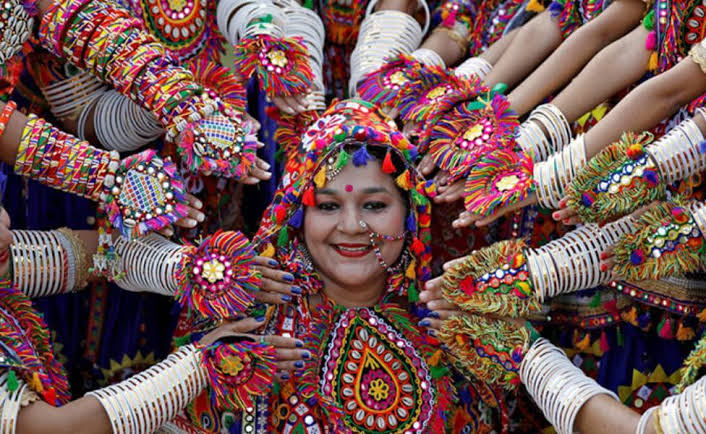
Discover 16 famous cultural festivals in India, from Diwali and Holi to Rath Yatra and the Pushkar Camel Fair, celebrating the country’s rich heritage (more…)

Continue Reading

Trending