Connect with us

Culture

Nigeria UNESCO Intangible Culinary Heritage Push

Published

on

Nigeria UNESCO

On World Food Day 2025, experts urge Nigeria to document and promote its indigenous cuisines for UNESCO Intangible Cultural Heritage recognition

Every year on 16 October, the world celebrates World Food Day — a global reminder of our shared duty to ensure food security, protect culinary heritage, and nourish both people and planet.

Also readAbia Backs Ikeji Aro Festival for UNESCO Recognition

The 2025 theme, “Hand in Hand for Better Foods and a Better Future,” underscores the urgency of collaboration, sustainability, and cultural pride in transforming food systems.

For Nigeria, this moment calls for more than reflection; it demands action — a renewed commitment to tell our food stories, preserve indigenous cuisines, and spotlight our culinary treasures for UNESCO’s Intangible Cultural Heritage (ICH) list.


A Missing Piece in Global Culinary Heritage

Despite Nigeria’s rich food legacy, no Nigerian dish currently sits on UNESCO’s global ICH list — a catalogue where nations immortalise their traditional cuisines.

This omission raises a critical question: why has Nigeria not yet earned a place at that global culinary table?

UNESCO’s ICH list currently features about 30 traditional foods from various countries. In December 2024, for instance, Attiéké, a cassava delicacy from Côte d’Ivoire, was newly added. Yet, Nigeria — with over 300 ethnic cuisines and a population exceeding 250 million — remains absent.

The reason lies not in flavour but in documentation and policy. Without structured research, coordinated advocacy, or a national strategy linking food, culture, and tourism, Nigerian dishes remain invisible in global heritage conversations.


Food as Identity, Economy, and Diplomacy

Food is more than nourishment — it is memory, identity, and history. Across the world, countries like France, Mexico, Italy, Japan, and India have turned their traditional cuisines into global exports, strengthening tourism and national branding.

Their governments recognise food as cultural diplomacy, a soft-power tool that tells the world who they are.

Nigeria, with its culinary diversity — from Party Jollof to Egusi Soup, Tuwashinkafa, Nsala, Abacha, Ewedu, and Suya — can do the same.

Each dish tells a story of migration, adaptation, and unity. What is missing is a coordinated national effort to preserve, document, and promote them.


Bridging the Heritage Gap Through Research and Policy

My ongoing PhD research, titled “From Pot to Heritage: Digital Media Narratives, Documentation and Preservation of Nigerian Culinary Traditions for UNESCO’s Intangible Cultural Heritage List,” seeks to fill this gap — by digitising food traditions, turning oral culinary histories into tangible evidence for global recognition.

Through food journalism, culinary storytelling, and digital preservation, Nigeria can position its cuisine as a symbol of unity and innovation.

But this requires a National Food Heritage and Tourism Policy linking agriculture, culture, and creative industries — one that could boost GDP, empower farmers, and attract investment.

Collaboration is key. The Ministries of Culture, Agriculture, Information, and Trade should partner with UNESCO, academia, and major food brands such as Nestlé, Dangote Foods, and Golden Penny to fund culinary documentation and promote Nigerian dishes globally.


A Call to Action for World Food Day 2025

In the spirit of this year’s theme, “Hand in Hand for Better Foods and a Better Future,” World Food Day must mark a turning point — from mere celebration to preservation and projection.

Nigeria’s food story must be told, taught, and tasted worldwide. Government, researchers, chefs, media, and farmers all have a role to play.

Also readSango Festival Gains UNESCO Recognition Under Alaafin Owoade

By securing a place for Nigerian cuisine on the UNESCO Intangible Cultural Heritage list, we are not merely preserving recipes — we are cooking a legacy that will feed both body and soul for generations to come.

Culture

WAKE UP! Art Exhibition Returns for a Second Act

Published

on

WAKE UP

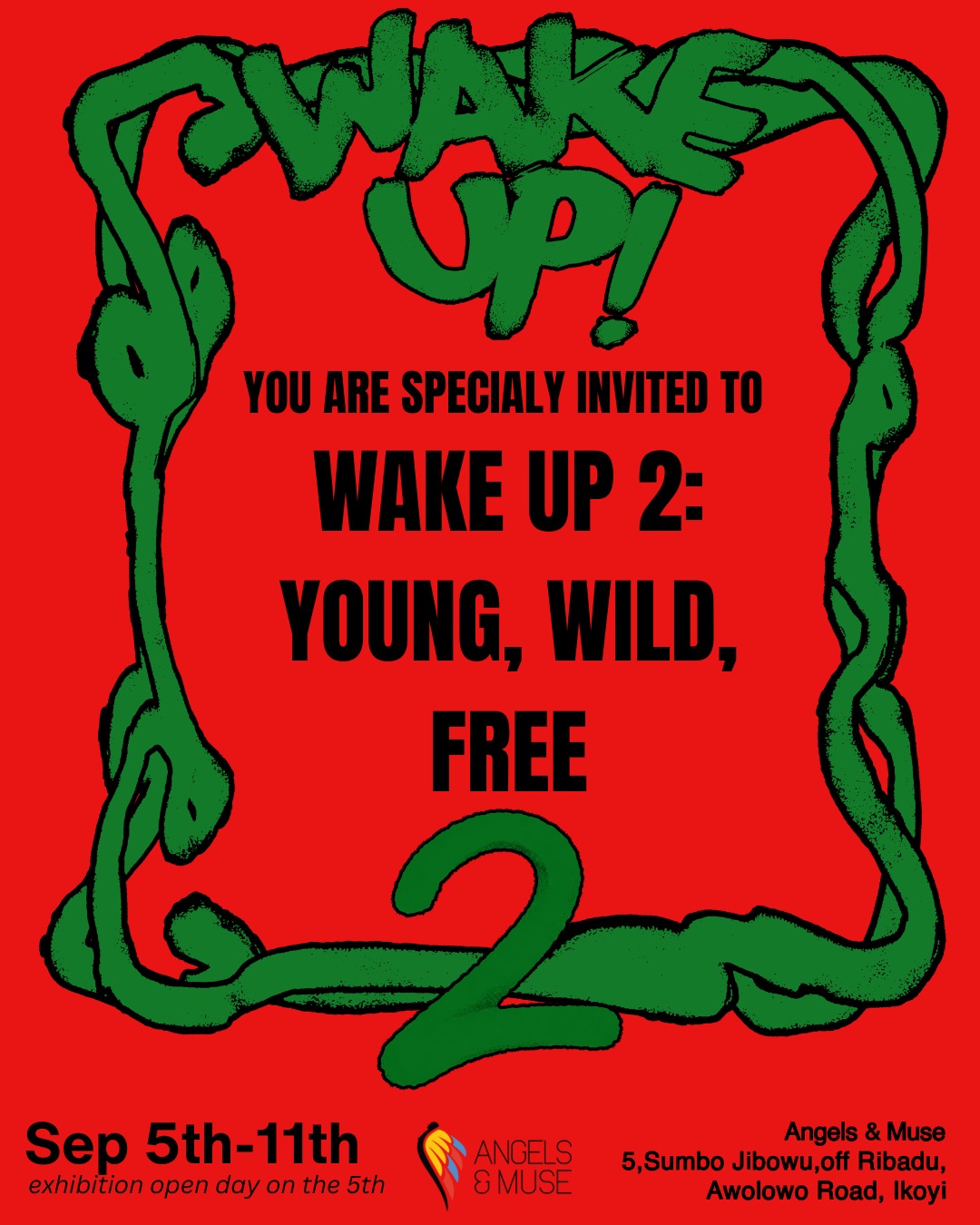
The contemporary art and photography exhibition “Wake Up!” is back again for a second edition.

Curated by Awele Onwordi, Wake Up! 2 exhibition pays homage to the Nigerian youth and burgeoning street culture which many of its contributing artists reference in their works.

Also read: Five rising stars battle for 2026 Headies Next Rated

Titled “Young, Wild, Free”, the exhibition celebrates the creativity, resilience, freedom and cultural influence found in Nigerian youth.

Taking aim at societal issues and economic concerns, the exhibit reflects the youth and their refusal to compromise or bow despite all the challenges stacked against them while charting youth culture through art, music, fashion, skateboarding, photography and community.

The exhibition will be held, once again, at the Angel and Muse Gallery at 25 Sumbo Jibowu street off Ribadu Road off Awolowo Road in Ikoyi.

It will open on Saturday 5 September 2026 and will run until 11 September 2026
This second edition which focuses on celebrating, nurturing and exploring artistic practices rooted in youth and street culture will feature works from DENCITY and SUPERGLIDER HOUSE.

Exhibiting artists include Ajilore Kehinde – their work is deeply influenced by Nigerian street culture and works of other artists like Slawn, Peters Ejiro, etc, Chuka Onwordi – graphic designer who embodies themes of death, melancholy and beauty in his works, ZIDYEP – Abuja based creative whose works move between digital and physical spaces through art, graphic design and air brushing , Franklyn Okoye – graphic designer and artist whose works explore themes of identity and hyper-reality, Awele Onwordi – founder & curator of WAKE UP and multidisciplinary artist whose practice spans character art, creative logo design, album covers and more , Oluchi Kogolo – digital illustrator whose work explores street culture, personality and storytelling through a raw and playful visual style and Kozetuo Apeji – multidisciplinary artists who work explores experimental approaches to problem solving through both digital and traditional art forms.


Commenting on the exhibition in her curatorial statement, Awele noted that “despite economic instability, limited opportunities and socio-political challenges, Nigerian youth continue to shape culture through music, fashion, art, skateboarding, raves, photography and community.”

Also read: Five rising stars battle for 2026 Headies Next Rated

Continuing and harping on the raison d’etre of the exhibition she said, “Young, Wild and Free exists to celebrate Nigerian youth while also creating a platform that supports and amplifies them.”
Continue Reading

Culture

Isese Day 2026: Sotayo Gaga, Farulee Light Up Lagos Festival

Published

on

Isese Day

Isese Day 2026 brought colourful Yoruba celebrations to Lagos as Sotayo Gaga and Farulee joined the festivities and attracted attention from fans (more…)

Continue Reading

Culture

Oyebanji backs bold cultural growth at Ekiti festival

Published

on

Oyebanji

Oyebanji cultural growth plans aim to transform Ekiti’s Udiroko Festival into a major tourism, jobs and investment platform while preserving heritage

(more…)

Continue Reading

Trending