Connect with us

Culture

NGO, FCT Inaugurate Culture For Peace Project Committee

Published

on

A Non-Governmental Organization , NGO, Oneworld Initiative for Sustainable Devolpomet (OISD), in partnership with the Department of Arts and Culture of the FCT Social Development Secretariat, have inaugurated a committee geared towards promoting peaceful coexistence in Abuja the Nations Capital.

Speaking at the formal launching and inauguration of the steering committee on the ‘Culture for Peace Project’, the Mandate Secretary, FCT Social Development Secretariat, Mrs Justina Pawa said the event was timely.

Mrs Pawa also added that the committee is charged with the responsibility of identifying, listing and studying the various groups within the FCT with a view to finding common grounds for social interaction, economic development, peaceful coexistence and general well-being of all.

“The well-being of the residents of the FCT, will translate into less work for the FCT Administration and a model city for us to live in and others to visit. One of the expected outcomes from this committee is a Cultural Policy for the FCT that will identify and promote the cultural activities in the FCT.”

“Your recommendations policy draft will go a long way to provide the needed direction towards achieving the much needed peaceful coexistence that FCT and indeed the entire country deserve.” Paws added.

Mrs Pawa thanked all the stakeholders who have agreed to be part of the drive especially the traditional institutions and the area councils, the NGOs.

She urged the committees to go into serious business research and consultation to harness all relevant information needed to accomplish the task within record time.

On his part, the President, OISD, Timothy Achanya, said the project was conceptualized to galvanize stakeholder efforts towards promoting the culture of peace through dynamic conflict resolution and transformation strategies with a view to achieving sustainable development in Nigeria .

Mr Achanya also said that the project was concepualized in response
to Nigeria’s fragile State and conflict infested social space.

“This ugly trend is further fuelled by religious, ethnic and tribal bigotry which result in distrust among the citizens, lack of patriotism, disunity and huge craving to harm one another at the slightest provocation. Abuja being the capital of Nigeria and adjudged one of the safest cities in the country is beginning to witness this ugly trend. Achanya added
“The daily influx of victims and other citizens running away from insurgency and crime from the affected states calls for serious concern. The situation has resulted in astronomic increase in Abuja population. This again impacts negatively on the social, economic, human and physical infrastructure of Abuja. If not checked, this could make Abuja worse than most of other cities in Nigeria.” She said.

She noted that the initiation of the the project using culture as a unifying factor was apt. Mr. Achanya summon all hands to be on deck in the efforts.

Continue Reading
Click to comment

Leave a Reply

Culture

Ofala festival: Obi of Onitsha marks 25 Years on throne

Published

on

 Ofala Festival 2026 celebrated Onitsha’s royal heritage as Obi Nnaemeka Achebe marked 25 years on the throne and addressed Nigeria’s economic challenges.

(more…)

Continue Reading

Culture

Crowds Gather for Rare Sunrise at Egypt’s Abu Simbel Temple

Published

on

Abu Simbel

Hundreds of tourists gathered at Egypt’s Abu Simbel temple to witness the twice-yearly sunrise ceremony illuminating Pharaoh Ramses II’s statue

Hundreds of tourists gathered at Egypt’s Abu Simbel temple on Thursday to witness a spectacular sunrise phenomenon in which sunlight illuminated the face of the statue of Pharaoh Ramses II, an event that occurs only twice a year.

Also read: 16 Famous Cultural Festivals That Define India

The ancient astronomical ceremony drew visitors from different parts of the world to the archaeological site in southern Egypt on October 22, one of two dates associated with the phenomenon.

The second occurrence takes place on February 22, when the rising sun illuminates the temple’s interior.

Egyptian tour guide Yasser Fouad described the occasion as extraordinary, saying some visitors had stayed overnight to secure the opportunity to witness the event.

“Today is an extraordinary day, everyone is keen, there are people who stayed over the night, foreigners who actually spent the night in Abu Simbel to see this phenomenon,” Fouad said.

The Great Temple of Ramses II at Abu Simbel dates back to the 13th century BC and is among Egypt’s most prominent archaeological attractions.

Built during the reign of Ramses II, one of ancient Egypt’s most powerful pharaohs, the temple is renowned for its monumental statues and sophisticated architectural design.

The twice-yearly sunrise phenomenon is a major attraction, drawing visitors eager to witness the interaction between sunlight and the temple’s ancient structure.

The dates have traditionally been associated with significant moments in Ramses II’s life.

October 22 is commonly linked to his birthday, while February 22 is associated with his accession to the throne.

However, the precise historical reasons behind the dates remain debated.

Some archaeologists have proposed alternative explanations, including that they may have marked the pharaoh’s coronation and birthday.

Abu Simbel underwent a major international rescue operation in the 1960s, when archaeologists and engineers relocated the temples to protect them from flooding caused by the construction of the Aswan High Dam.

The monumental structures were cut into large blocks and reassembled at a higher location, preserving the site for future generations.

The relocation was one of the most significant archaeological preservation projects of the 20th century.

Despite the move, the temple continues to attract visitors for its ancient Egyptian art, monumental architecture and remarkable alignment with the rising sun.

Also read: 16 Famous Cultural Festivals That Define India

The annual gatherings highlight the enduring appeal of Egypt’s archaeological heritage and the continuing fascination with the astronomical knowledge and engineering achievements of its ancient civilisation.

Continue Reading

Culture

16 Famous Cultural Festivals That Define India

Published

on

India

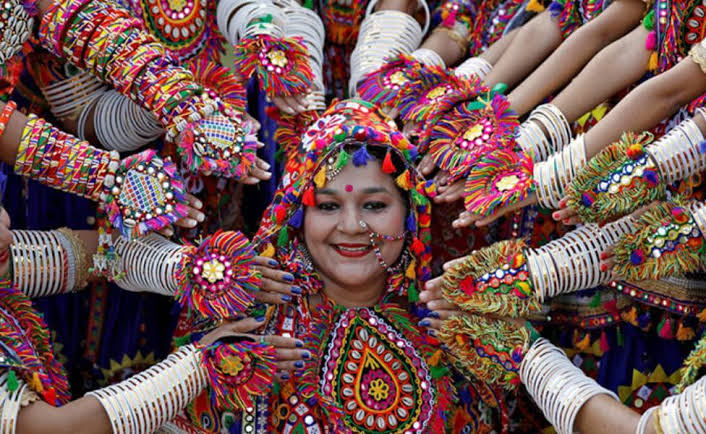
Discover 16 famous cultural festivals in India, from Diwali and Holi to Rath Yatra and the Pushkar Camel Fair, celebrating the country’s rich heritage (more…)

Continue Reading

Trending