Culture
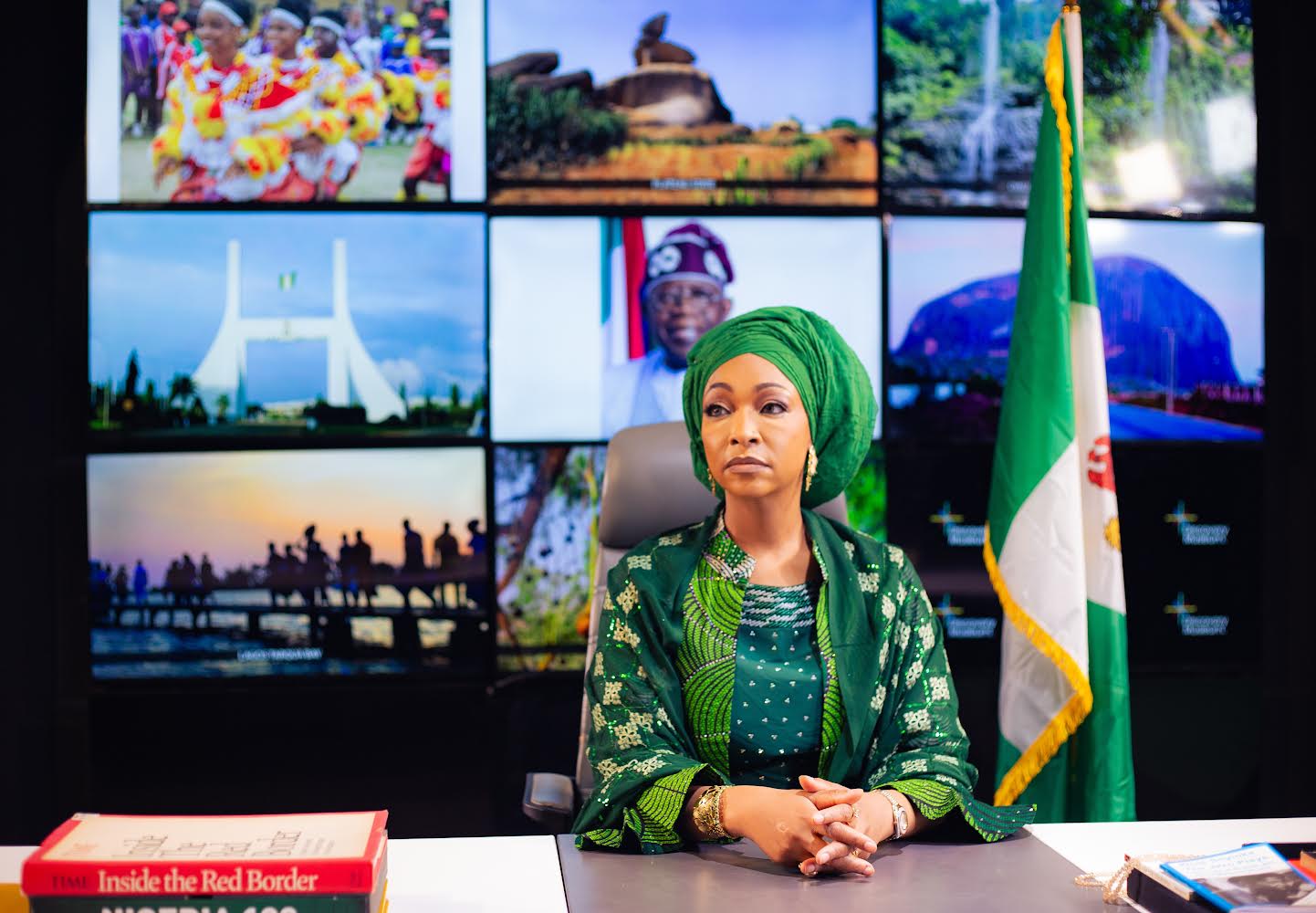
Minister Hannatu Musawa reaffirms commitment to promoting Nigerian culture through art, fashion
Published
2 years agoon
By
akonitv
Minister Hannatu Musawa reaffirms her dedication to promoting Nigerian culture through arts, fashion, and collaboration with African brands globally
The Minister of Art, Culture, Tourism, and Creative Economy, Hannatu Musawa, has reaffirmed her unwavering commitment to promoting Nigerian culture through the arts.
Also read: Cross River State Commissioner for Tourism, Arts, and Culture, Abubakar Robert Ewa, Passes Away
Speaking after the successful fashion show, *The Royal Oath*, in Abuja on Friday, the minister highlighted her ministry’s ongoing efforts to collaborate with African brands to showcase Nigerian culture on the global stage.
Musawa expressed her strong belief in the power of fashion and the arts to foster a stronger sense of national identity. She affirmed that her ministry is working closely with African brands to highlight Nigerian culture internationally, ensuring its recognition and appreciation across the globe.
“This is a show that deserves to be taken to the global stage,” Musawa remarked, commending the powerful storytelling presented during the event.
She further emphasised the role of fashion as a significant tool for cultural diplomacy, underscoring the importance of representing African narratives in a way that reflects the richness and diversity of the continent’s heritage.
The fashion show, *The Royal Oath*, received widespread praise for its groundbreaking approach to African storytelling. Organised by a visionary team, including Executive Producer and Founder of Africana, Charles Oronsaye, Creative Director Ifidon Oisamoje, Show Producer Tonye Hart, and Theatre Producer Adesuwa Oronsaye, the event seamlessly combined fashion, theatre, and culture.
*The Royal Oath* was more than just a fashion show – it was a cultural spectacle. The event presented a modern-day royal wedding, showcasing historical storytelling while celebrating the artistry and craftsmanship of African cultures.
The show featured collections inspired by a variety of African kingdoms, including the Urhobo, Arewa, Yoruba, Igbo, Senegalese, Malian, and Ivorian kingdoms, offering a truly Pan-African experience.
The production received an overwhelmingly positive response from attendees and on social media, sparking conversations about the future of African fashion and cultural storytelling.
With its global-standard production, *The Royal Oath* has been recognised as a defining moment in African fashion, elevating the continent’s creative industry to new heights.
“The production was a masterclass in cultural storytelling. A team of exceptional designers, filmmakers, and creatives brought the vision to life, setting a new benchmark for African fashion presentations,” the statement concluded, highlighting the significance of the event in shaping the future of cultural diplomacy and fashion in Africa.
The Nigerian government’s renewed commitment to supporting the creative industries is seen as a step towards fostering growth and investment in the arts sector, ensuring that the richness of Nigerian culture continues to thrive both locally and globally.
Related
You may like

Oyebanji backs bold cultural growth at Ekiti festival

Ademola Adeleke: The power of dance as authentic branding proposition

Gbubemi Ejeye Showcases Stunning African Hair Artistry

Bankuli Expands Afrobeat With Powerful Global Push

Ojude Oba Festival 2026 Showcases Stunning African Luxury Evolution

Actor Olaiya Igwe Reflects on Childhood Choice of Tribal Marks
Culture
Dexter Loko Wins Prestigious 2026 Chinua Achebe Prize
Published
3 days agoon
November 2, 2026
Dexter Loko Wins Chinua Achebe Prize for his 170,000-word fantasy novel, The Bako of Zereshé, at the 2026 ANA convention in Abuja
Related
Culture
Ofala festival: Obi of Onitsha marks 25 Years on throne
Published
2 weeks agoon
October 23, 2026
Ofala Festival 2026 celebrated Onitsha’s royal heritage as Obi Nnaemeka Achebe marked 25 years on the throne and addressed Nigeria’s economic challenges.
Related
Culture
Crowds Gather for Rare Sunrise at Egypt’s Abu Simbel Temple
Published
2 weeks agoon
October 23, 2026
Hundreds of tourists gathered at Egypt’s Abu Simbel temple to witness the twice-yearly sunrise ceremony illuminating Pharaoh Ramses II’s statue
Hundreds of tourists gathered at Egypt’s Abu Simbel temple on Thursday to witness a spectacular sunrise phenomenon in which sunlight illuminated the face of the statue of Pharaoh Ramses II, an event that occurs only twice a year.
Also read: 16 Famous Cultural Festivals That Define India
The ancient astronomical ceremony drew visitors from different parts of the world to the archaeological site in southern Egypt on October 22, one of two dates associated with the phenomenon.
The second occurrence takes place on February 22, when the rising sun illuminates the temple’s interior.
Egyptian tour guide Yasser Fouad described the occasion as extraordinary, saying some visitors had stayed overnight to secure the opportunity to witness the event.
“Today is an extraordinary day, everyone is keen, there are people who stayed over the night, foreigners who actually spent the night in Abu Simbel to see this phenomenon,” Fouad said.
The Great Temple of Ramses II at Abu Simbel dates back to the 13th century BC and is among Egypt’s most prominent archaeological attractions.
Built during the reign of Ramses II, one of ancient Egypt’s most powerful pharaohs, the temple is renowned for its monumental statues and sophisticated architectural design.
The twice-yearly sunrise phenomenon is a major attraction, drawing visitors eager to witness the interaction between sunlight and the temple’s ancient structure.
The dates have traditionally been associated with significant moments in Ramses II’s life.
October 22 is commonly linked to his birthday, while February 22 is associated with his accession to the throne.
However, the precise historical reasons behind the dates remain debated.
Some archaeologists have proposed alternative explanations, including that they may have marked the pharaoh’s coronation and birthday.
Abu Simbel underwent a major international rescue operation in the 1960s, when archaeologists and engineers relocated the temples to protect them from flooding caused by the construction of the Aswan High Dam.
The monumental structures were cut into large blocks and reassembled at a higher location, preserving the site for future generations.
The relocation was one of the most significant archaeological preservation projects of the 20th century.
Despite the move, the temple continues to attract visitors for its ancient Egyptian art, monumental architecture and remarkable alignment with the rising sun.
Also read: 16 Famous Cultural Festivals That Define India
The annual gatherings highlight the enduring appeal of Egypt’s archaeological heritage and the continuing fascination with the astronomical knowledge and engineering achievements of its ancient civilisation.
Related

Why Nigeria needs the All-Nigeria Rotary Peace Summit

Pasuma, Malaika Headline Star-Studded Owode Ifa Festival

Dexter Loko Wins Prestigious 2026 Chinua Achebe Prize
Trending
Culture4 years agoThe Four Igbo Market Days and Their Significance In Omenala ÌGBÒ
Business4 years agoOoni of Ife Discusses Business and Peace Initiative in Kenya
Events4 years agoGlamour, glitz as B’obagunwa Omo’ba Obinrin Akile Ijebu celebrates New Year party (Photos)
Culture4 years agoOutrage as Ezendigbo of Ibadanland confers chieftaincy title on Olubadan
Events4 years agoOnitoomu of Ito-Omu installs two new chiefs (Video, Photos)
Events2 years agoEgbe Bobasete: The New Fashion Sensation Elevates 2024 Ojude Oba Festival (Video, Photos)
Events3 years agoNANTAP Convention 2023: Reshaping Nigerian Theatre Arts for economic growth
Paranormal4 years agoBlack Cat Superstition: Good and Bad Luck Beliefs