
Entertainment
Cities Warn of Dangerous Mass Tourism Crisis

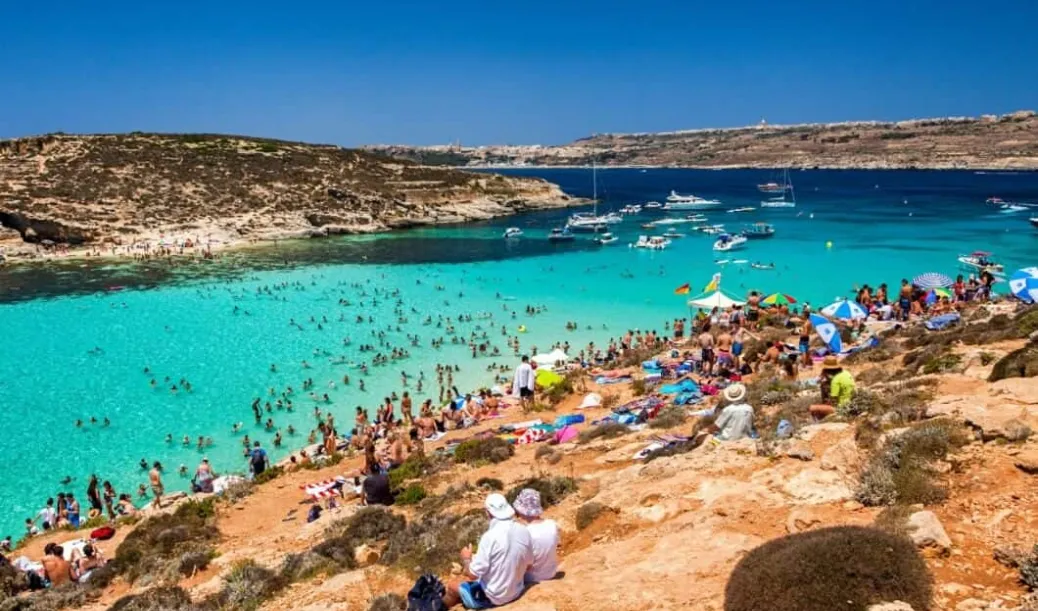
Venice, Barcelona and Dubrovnik face a mass tourism crisis as overcrowding strains residents, infrastructure and cultural heritage across Europe
Venice Mayor Luigi Brugnaro, Barcelona Councillor Xavier Marcé, and Dubrovnik Mayor Mato Franković are, on Tuesday, April 28, 2026, confronting escalating concerns over unsustainable visitor numbers as leading European tourist destinations intensify efforts to manage a worsening mass tourism crisis.
Also read: Paris Tourism Decline Signals Worrying Slowdown Trend
The three cities, among Europe’s most visited cultural hubs, are grappling with mounting pressure from record tourist arrivals that officials say are increasingly undermining local life, infrastructure stability and heritage preservation.
The developments have reignited debate across the continent about how to balance economic gains from tourism with the long term wellbeing of resident communities.
In Venice, authorities continue to face acute strain as visitor numbers far exceed the city’s resident population. City officials have introduced entry management systems and visitor levies aimed at controlling congestion in historic areas.
However, critics argue that the measures remain insufficient in addressing the depth of the mass tourism crisis, with local businesses and housing patterns already significantly altered by short term rentals and seasonal influxes.
Barcelona is experiencing similar tensions, particularly in densely visited districts where rising rents and overcrowding have fuelled growing frustration among residents.
Councillor Xavier Marcé has supported regulatory action targeting short term accommodation and promoting wider distribution of tourist activity across lesser visited neighbourhoods.
City officials maintain that the strategy is designed to reduce pressure on central zones while preserving economic benefits.
In Dubrovnik, Mayor Mato Franković has overseen the introduction of timed entry systems for the historic old town, which receives large daily influxes from cruise ships.
The system is intended to regulate pedestrian flow and protect heritage sites from overcrowding. While tourism remains a key pillar of the local economy, officials acknowledge that managing visitor intensity has become increasingly urgent.
Across all three cities, urban policy experts warn that the underlying challenge is structural rather than seasonal.
The mass tourism crisis, they say, is driven by a global travel model that prioritises volume and short stays over sustainable engagement with local environments.
Despite differing policy responses, Venice, Barcelona and Dubrovnik share a common struggle: preserving their cultural identity while remaining economically dependent on the very industry placing them under pressure.
Also read: Jordan Tourism Crisis Deepens Petra Visitor Collapse
The debate continues to intensify as authorities search for long term solutions capable of restoring balance between residents and visitors.




Blue Lagos Commences Five Solar-Powered Borehole Projects

Gbenga Adeyinka Brings Laffmattazz 2026 Finale to Lagos

Orlando Owoh Music Festival Set for November 7 in Lagos


 Culture4 years ago
The Four Igbo Market Days and Their Significance In Omenala ÌGBÒ
- Business4 years ago
Ooni of Ife Discusses Business and Peace Initiative in Kenya
- Events4 years ago
Glamour, glitz as B’obagunwa Omo’ba Obinrin Akile Ijebu celebrates New Year party (Photos)
- Culture4 years ago
Outrage as Ezendigbo of Ibadanland confers chieftaincy title on Olubadan
- Events4 years ago
Onitoomu of Ito-Omu installs two new chiefs (Video, Photos)
- Events2 years ago
Egbe Bobasete: The New Fashion Sensation Elevates 2024 Ojude Oba Festival (Video, Photos)
- Paranormal4 years ago
Black Cat Superstition: Good and Bad Luck Beliefs
 Events3 years ago
NANTAP Convention 2023: Reshaping Nigerian Theatre Arts for economic growth


