Connect with us

Culture

Lagos Tourism Set for Growth as LAGFERRY Hits 31,000 Hours

Published

on

Lagos Tourism

Lagos tourism gets a boost as LAGFERRY logs 31,000 hours of operations, with plans to make Lagos an all-year tourist destination

Lagos State is poised to become a premier all-year tourist destination, with the government intensifying efforts to enhance the city’s attractiveness and accessibility, particularly through its waterways.

Also read: Lagos Police Suspend Oregun Egungun Festival over Unrest

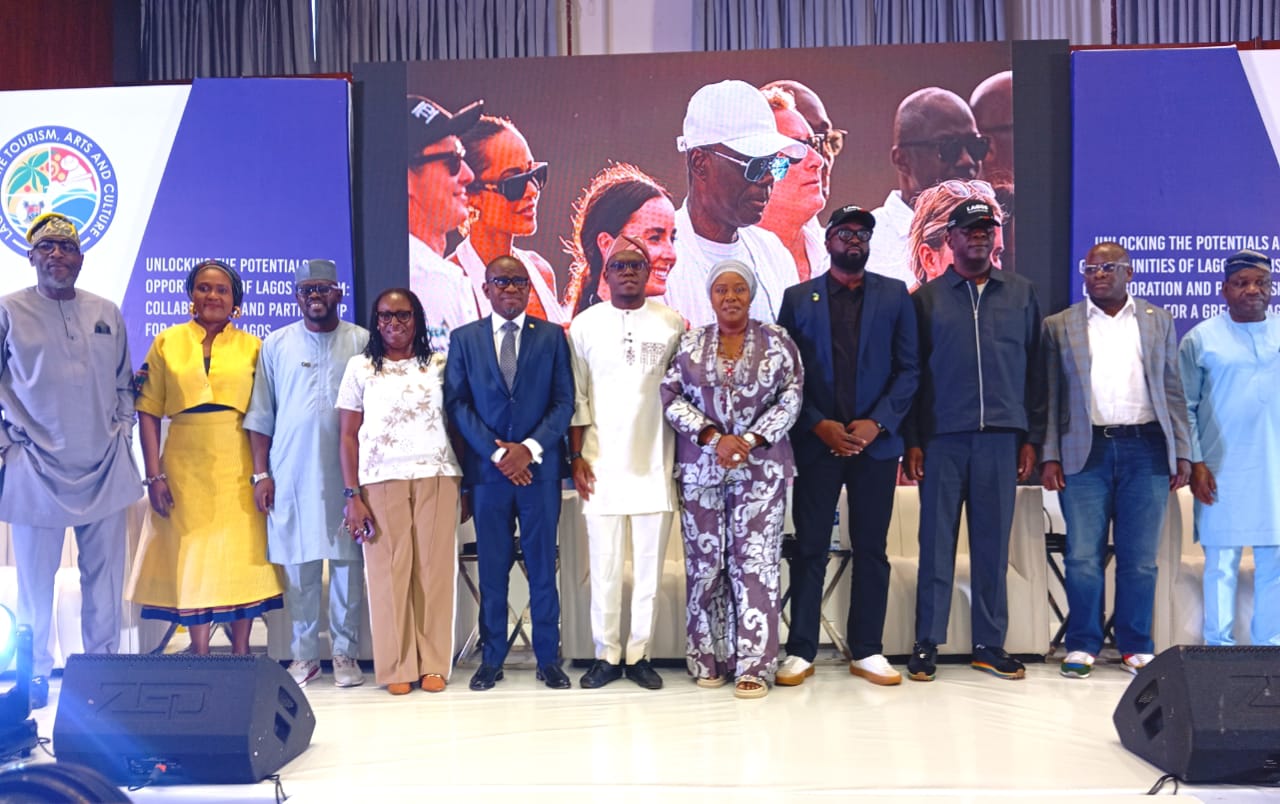
Hon Dayo Bush-Alebiosu, Commissioner for Waterfront Infrastructure Development, reaffirmed the State Government’s commitment during the Tourism, Hospitality, and Creative Stakeholders’ Engagement Summit in Victoria Island.

“December is just a season. Lagos has the potential to be a year-round tourist destination. We want the Lagos experience to stand out and be competitive internationally,” he said.

Bush-Alebiosu highlighted the need for strategic planning across the city’s islands, describing initiatives to market Lagos as “the 10 islands of Lagos,” each with a unique tourist appeal.

He stressed that collaboration with the federal Ministry of Tourism would be critical to achieving these goals.

Meanwhile, the Managing Director of Lagos Ferry Services (LAGFERRY), Mr Abdoulbaq Ladi Balogun, reported that the agency had successfully operated for over 31,000 hours this year, serving passengers on both scheduled and charter services.

He emphasized the integral role of waterways, noting that one-third of Lagos State’s landmass is water and 15 of its 20 local government areas are accessible via waterways.

“We are preparing to launch a Water Taxi Initiative in the coming weeks, providing credible, safe, and convenient alternatives for commuters,” Balogun said, adding that Lagos ferries range in capacity from 20 to 60 passengers.

The summit, themed “Unlocking the Potentials and Opportunities of Lagos Tourism: Collaboration and Partnership for a Greater Lagos,” brought together tourism experts, investors, policymakers, and creative practitioners.

Both speakers highlighted the synergy between tourism and transportation in promoting the state’s hospitality sector, especially during high-traffic periods like the Detty December festival.

On safety and investor confidence, Balogun assured that LAGFERRY maintains a secure waterway system, which has attracted private sector and international investments. “Safety is paramount; without it, tourism and commerce cannot thrive,” he said.

Also read: Lagos Culture Week Set to Celebrate City’s Creative Spirit

The summit underscored Lagos State’s strategic focus on using its natural and infrastructural assets to strengthen tourism, boost economic growth, and enhance the visitor experience throughout the year.

Culture

Dexter Loko Wins Prestigious 2026 Chinua Achebe Prize

Published

on

 Dexter Loko Wins Chinua Achebe Prize for his 170,000-word fantasy novel, The Bako of Zereshé, at the 2026 ANA convention in Abuja

(more…)

Continue Reading

Culture

Ofala festival: Obi of Onitsha marks 25 Years on throne

Published

on

 Ofala Festival 2026 celebrated Onitsha’s royal heritage as Obi Nnaemeka Achebe marked 25 years on the throne and addressed Nigeria’s economic challenges.

(more…)

Continue Reading

Culture

Crowds Gather for Rare Sunrise at Egypt’s Abu Simbel Temple

Published

on

Abu Simbel

Hundreds of tourists gathered at Egypt’s Abu Simbel temple to witness the twice-yearly sunrise ceremony illuminating Pharaoh Ramses II’s statue

Hundreds of tourists gathered at Egypt’s Abu Simbel temple on Thursday to witness a spectacular sunrise phenomenon in which sunlight illuminated the face of the statue of Pharaoh Ramses II, an event that occurs only twice a year.

Also read: 16 Famous Cultural Festivals That Define India

The ancient astronomical ceremony drew visitors from different parts of the world to the archaeological site in southern Egypt on October 22, one of two dates associated with the phenomenon.

The second occurrence takes place on February 22, when the rising sun illuminates the temple’s interior.

Egyptian tour guide Yasser Fouad described the occasion as extraordinary, saying some visitors had stayed overnight to secure the opportunity to witness the event.

“Today is an extraordinary day, everyone is keen, there are people who stayed over the night, foreigners who actually spent the night in Abu Simbel to see this phenomenon,” Fouad said.

The Great Temple of Ramses II at Abu Simbel dates back to the 13th century BC and is among Egypt’s most prominent archaeological attractions.

Built during the reign of Ramses II, one of ancient Egypt’s most powerful pharaohs, the temple is renowned for its monumental statues and sophisticated architectural design.

The twice-yearly sunrise phenomenon is a major attraction, drawing visitors eager to witness the interaction between sunlight and the temple’s ancient structure.

The dates have traditionally been associated with significant moments in Ramses II’s life.

October 22 is commonly linked to his birthday, while February 22 is associated with his accession to the throne.

However, the precise historical reasons behind the dates remain debated.

Some archaeologists have proposed alternative explanations, including that they may have marked the pharaoh’s coronation and birthday.

Abu Simbel underwent a major international rescue operation in the 1960s, when archaeologists and engineers relocated the temples to protect them from flooding caused by the construction of the Aswan High Dam.

The monumental structures were cut into large blocks and reassembled at a higher location, preserving the site for future generations.

The relocation was one of the most significant archaeological preservation projects of the 20th century.

Despite the move, the temple continues to attract visitors for its ancient Egyptian art, monumental architecture and remarkable alignment with the rising sun.

Also read: 16 Famous Cultural Festivals That Define India

The annual gatherings highlight the enduring appeal of Egypt’s archaeological heritage and the continuing fascination with the astronomical knowledge and engineering achievements of its ancient civilisation.

Continue Reading

Trending