Connect with us

Culture

Alabe Royal Family nominates Prince Saheed Aregbeshola for Osolo of Isolo stool

Published

on

Alabe Royal Family nominates Prince Saheed Aregbeshola for Osolo of Isolo stool

Alabe Royal Family, the next family to nominate a candidate for the vacant stool of Osolo of Isolo in Lagos State, has put forward Prince Saheed Aregbeshola to occupy the exalted position.

It would be recalled that the Osolo of Isolo Kingdom, Oba Kabiru Agbabiaka, Adeola Olushi III, died shortly after returning home from the Eid prayer ground on Wednesday, April 10, 2024.

The Alabe family is one of the four families comprising the Alagbeji Ruling House and whose turn it is to produce the next Osolo, being the only branch that has not occupied the throne.

Based on the laid-down rules, Aregbeshola’s name will be forwarded to the Alagbeji Royal Family, who will in turn formally present him as the candidate of the family.

The Acting Head of the Alabe Royal Family, Chief Rasak Alabe, made this known at a well-attended family meeting, saying that the decision to nominate and affirm Aregbeshola, a successful businessman who is into travel and tourism, as the next Osolo-elect was a popular choice.

According to him, this was evident in the large turnout of family members, including recognised leaders of the Alabe Family, assuring that their choice of Aregbeshola was hinged on the fact that the in-coming Osolo would not let the people of the Kingdom down.

Alabe recalled that Aregbeshola had continuously demonstrated capacity for leadership in every assignment he had been saddled with, saying “he has been the backbone of this family.”

‘”Even at the family level, we can tell you authoritatively that he has been the backbone of this family; maybe without him, the Alabe branch of Alagbeji Ruling House would have been removed from the family register, all because he has always been there for us.

“I want to encourage all members of the family to continue to maintain peace because we are peace-loving people and God has done everything for us to produce the next Osolo. We, therefore, want to encourage us to embrace peace,” Alabe stated.

In his reaction, Prince Aregbeshola applauded the family for his nomination and affirmation for the Osolo stool, describing the gesture as a great honour, which he would further reciprocate once he was formally installed by continuing to do my best for the growth and development of the Isolo Kingdom.

“Insha Allah, I will continue to do my best for the growth and development of Isolo Kingdom.

“My intention is to escalate the level of development in this area to further bring peace and prosperity to the people. I, therefore, seek the support of all and sundry because this is a task that needs all hands on deck,” the Osolo elect assured.

Continue Reading
Click to comment

Leave a Reply

Culture

16 Famous Cultural Festivals That Define India

Published

on

India

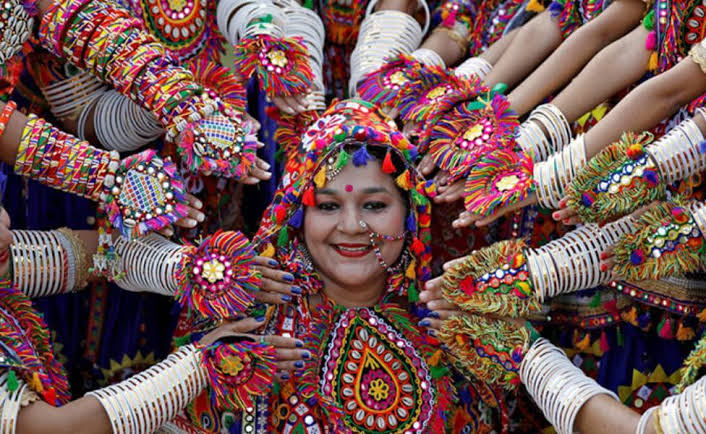
Discover 16 famous cultural festivals in India, from Diwali and Holi to Rath Yatra and the Pushkar Camel Fair, celebrating the country’s rich heritage (more…)

Continue Reading

Culture

Netherlands Returns Historic Benin Artefact to Oba Ewuare II

Published

on

Netherlands returns Benin artefact to Oba Ewuare II as the restitution of African cultural treasures gains momentum during his 10th coronation anniversary

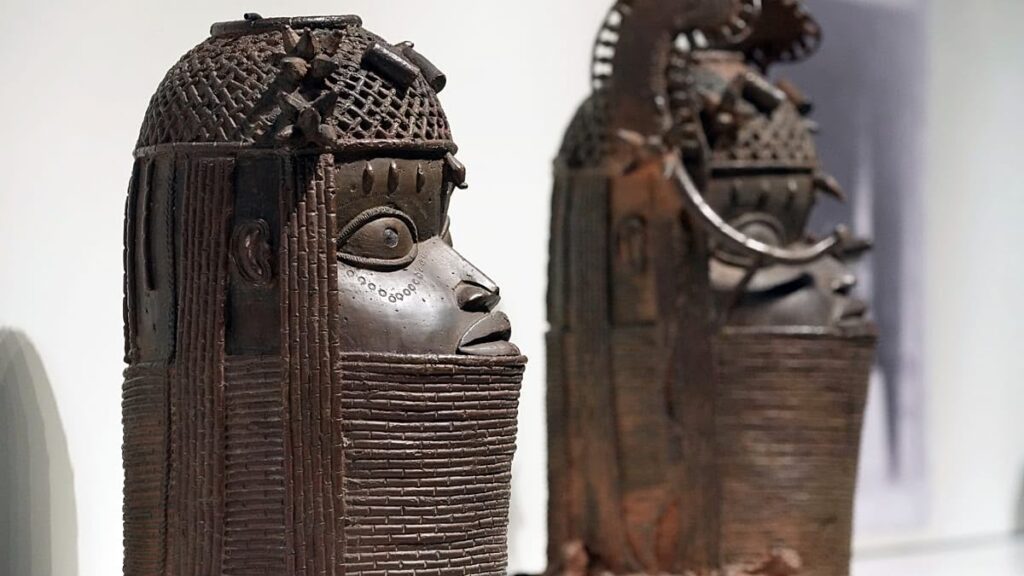
The Kingdom of the Netherlands has returned a centuries-old Benin artefact to the Oba of Benin, Oba Ewuare II, in Benin City, Edo State, as part of activities marking the monarch’s 10th coronation anniversary on October 21, 2026, in a move that adds momentum to international efforts to restore African cultural heritage to its place of origin.

Also read: Detty December Fest Adds DJ Tunez, Tungba Christmas

The artefact, which had been held in the collection of Museum de Fundatie in the Netherlands since 1937, was presented to the monarch by the museum’s executive director, Beatrice von Bormann, in the presence of Portugal’s Ambassador to Nigeria, Paulo Martins Santos.

The handover highlights renewed efforts by museums and governments to address the history of African cultural objects held in foreign collections and reconnect communities with artefacts of historical, cultural and spiritual significance.

Speaking during the presentation, von Bormann said investigations had traced the artefact’s origins to the 18th century.

She expressed satisfaction at its return to the Benin Kingdom, noting that the object had travelled across different parts of the world before reaching its place of origin.

She also explained that the artefact carried spiritual symbolism associated with reincarnation and Olokun, the Benin deity linked to the sea and wealth.

The return comes amid a broader international campaign to secure the restitution of African cultural treasures taken during colonial encounters.

The Benin Kingdom has been at the centre of these efforts, with historical objects from the former Benin Kingdom dispersed among museums and private collections across several countries.

Receiving the artefact, Oba Ewuare II reflected on the longstanding historical relationship between the Benin Kingdom and Portugal, recalling contacts between the two societies dating back to the 15th century.

The monarch said early encounters included efforts to introduce Catholicism into the kingdom but stressed that the Benin people had maintained their traditional religious beliefs and spiritual practices.

“We have a very unique link with the Portuguese. When I was told that the Portuguese Ambassador was around, it was like telepathy, because I had been thinking already about Portugal,” Oba Ewuare II said.

The monarch also expressed surprise at learning that the Vatican recognised African traditional religions, describing the development as significant to wider discussions about the recognition of indigenous African spirituality.

The presentation added historical and cultural significance to the celebrations marking Oba Ewuare II’s 10th coronation anniversary, while drawing attention to the role of restitution in preserving the identity and heritage of the Benin Kingdom.

The return of the artefact also reinforces calls for continued cooperation between African institutions and international museums to establish the origins of disputed objects and facilitate their return where appropriate.

Also read: Detty December Fest Adds DJ Tunez, Tungba Christmas

For the Benin Kingdom, the recovery represents more than the return of an old object. It offers an opportunity to preserve historical knowledge, sustain cultural traditions and pass an important part of the kingdom’s heritage to future generations.

Continue Reading

Culture

OLOJO….Ile Ife’s September Gift To Culture

Published

on

OLOJO

By Halima Adaba,


It was a featubal if the people. It was for the anciebt town of Ile Ife, which the Yoruba race refards as the Source.

Also read: Olojo Festival 2026: Ooni Urges Leaders to Prioritise Citizens

And ut was a festivsl for the King, Arole Oduduwa, Oonirisa, Adeyeye Enitan Ogunwusi, Ojaja II.

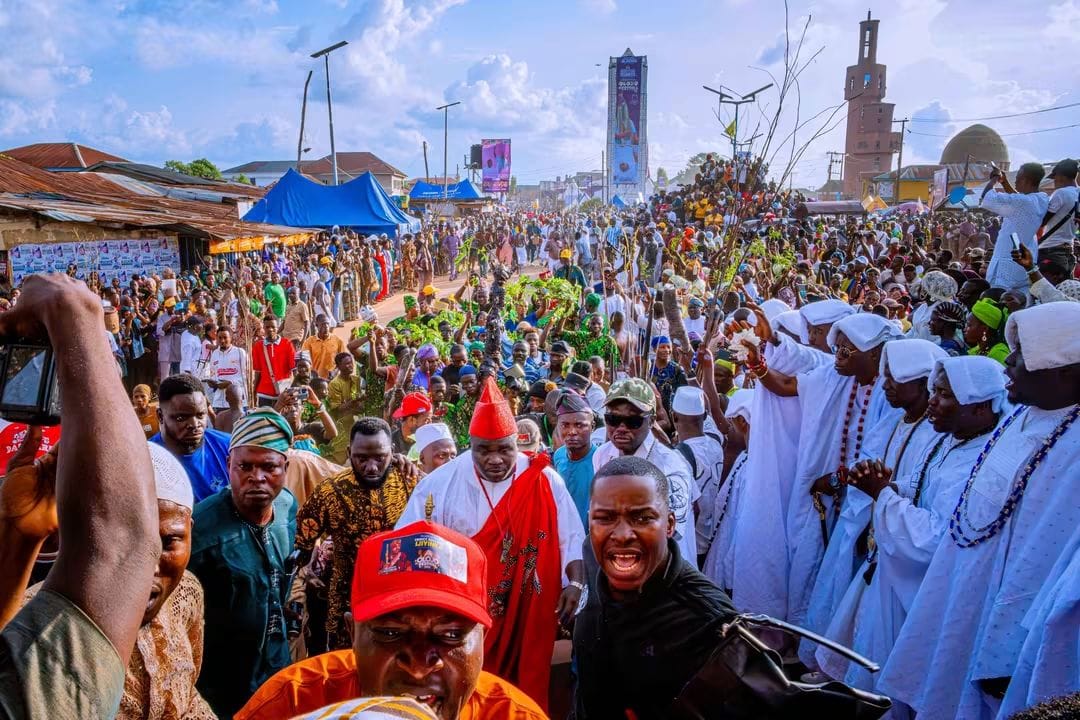
And so between September 24 and 28th 2026, the annual featuval dazzjed in all its white glory.

Tge Monarch paid the traditional ancestral homage and offered propitiation as part of the sacred rites of the Olojo Festival.
It was a powerful expression of Yoruba heritage, spirituality, and enduring tradition.

Call it a collection of beautiful moments, faces, colours and cultural expressions.

Every frame tells a story.

Every face carries the energy.

Every moment keeps the heritage alive.

Undoubtedly one of the most sacred cultural celebrations in Ilé-Ifẹ̀. It marked a day associated with creation, thanksgiving, ancestral heritage, and the sacred appearance of the Ooni of Ife wearing the revered Aàrẹ crown.

There were also the devotees of the famed god of thunder – Sàngó who were hardly conspicuous at the festival.

Many other traditional groups came out with candor, showing a powerful expression of Yoruba cultural identity, spiritual devotion, and respect for the ancient traditions of Ilé-Ifẹ̀.

Devotees of Sàngó bekieved the ‘appearance’ of the god of thunder on Seotember 26th could be understood as a symbolic meeting of ancestral heritage, spiritual devotion, and the celebration of creation.

It was a moment when the sounds of drums, chants, and traditional praise poetry brought the history of the Yoruba people to life.

Although Olojo is closely associated with Ogun, the god of iron, and the sacred traditions of Ile-Ife, the presence of Sàngó devotees reflected the rich diversity of Yoruba spiritual heritage.

Also read: Olojo Festival 2026: Ooni Urges Leaders to Prioritise Citizens

As a participant enthused at the festival, “To witness Sàngó Olúkòso emerge on Olojo Festival day is to witness a living expression of history, identity, and ancestral pride.”

Continue Reading

Trending