Connect with us

Culture

2025 Iri-ji Mbaise Festival Draws Emotional Support from Leaders Nationwide

Published

on

2025 Iri-ji Mbaise festival

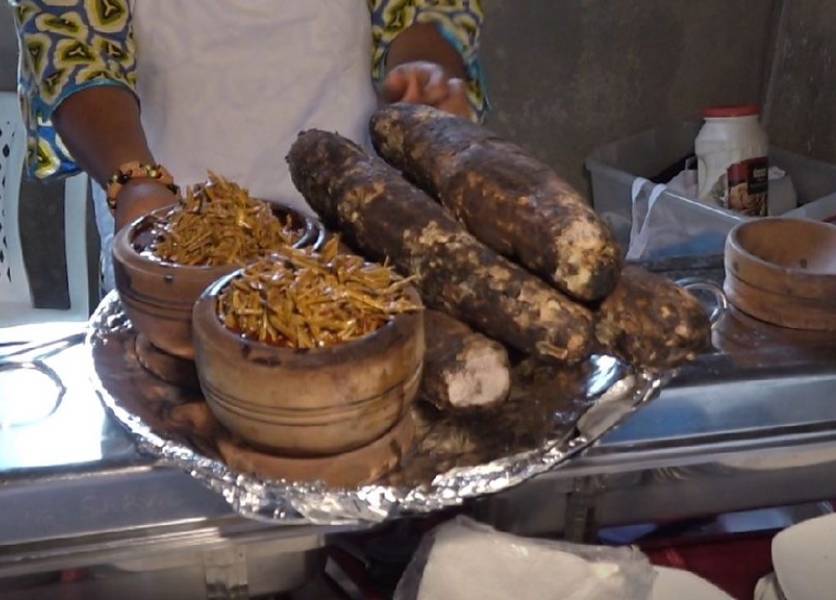
2025 Iri-ji Mbaise festival preparations begin as top Nigerian leaders confirm attendance and cultural unity takes centre stage in Ezinihitte Mbaise

2025 Iri-ji Mbaise festival is already gaining momentum as major political and cultural figures in Nigeria confirm their interest in the landmark celebration.

Also read: Iriji Mbaise Cultural Festival plan sparks calls for road repairs

Among the top dignitaries invited are the Minister of Art, Culture, Tourism and the Creative Economy, Hannatu Musa Musawa, and the Imo State Governor, Senator Hope Uzodinma. Also invited are former governors of Imo State, as well as respected traditional leaders across the region.

The official announcement was made by Joe Ogbonna Anosike, President General of Ezuruezu Mbaise, during a harmonisation meeting held at the Ezuruezu Mbaise Civic Centre.

The session involved members of the central planning committee, including representatives from Ezuruezu Mbaise, Ndi Eze and Ndi Ezeji. According to Anosike, this year’s edition will be organised in unity and will promote the enduring cultural values of the Mbaise people.

He also extended a passionate invitation to sons and daughters of Mbaise all over the world, urging them to return home and support the event.

“The success of the yam festival depends on our collective efforts,” Anosike said. “This is a time for thanksgiving, togetherness and cultural pride.”

In response to concerns about internal disagreements, Anosike dismissed all rumours of division within the Mbaise community. He assured the public that the festival planning process remains inclusive, peaceful and focused on cultural excellence.

“There is no war in Mbaise,” he emphasised. “We are all working for a successful, rancour-free festival.”

Chief Austin Onwubiko, chairman of the publicity committee, used the platform to appeal to Imo State Governor Hope Uzodinma and the chairmen of the three local government areas in Mbaise.

He requested urgent road repairs across several communities, noting that smoother transportation would ensure a successful homecoming celebration for thousands expected to attend.

Dr Kachi Nwoga also addressed the gathering, reminding the Mbaise community that the month of August holds special spiritual and cultural meaning.

“August is traditionally our holy month,” he explained. “It symbolises gratitude to God for a bumper harvest and peaceful co-existence.”

Traditional ruler of Itu autonomous community, Eze Ben Ifeanyichukwu Adindu, expressed delight at the level of progress and cooperation among the various groups involved.

“I am happy that all relevant interest groups have agreed to work together under one planning committee,” he stated after the meeting.

Chief Steve Onu chaired the central planning committee meeting, with Dr Nwoga representing Ndi Ezeji. Together, they confirmed that all preparations are on track and that stakeholders are aligned with the vision of a culturally rich and well-coordinated festival.

The ceremony has been scheduled to take place at the Town School, Itu, in Ezinihitte Mbaise Local Government Area. Louis Alozie, SAN, will serve as the chairman of the occasion, adding further prestige to the already high-profile event.

In addition to the traditional Iri-ji yam rituals, the festival will also feature various cultural displays. “The exhibition of other Mbaise cultural ensembles will be on display during the festival,” said a committee member.

Also read: Minna Polo Festival returns with global flair, tradition

Mbaise people, both home and abroad, are now expected to contribute financially and otherwise to the festival’s success. The 2025 edition promises to be historic and symbolic, reinforcing the cultural identity and unity of one of Nigeria’s most vibrant ethnic groups.

Continue Reading
Click to comment

Leave a Reply

Culture

Ofala festival: Obi of Onitsha marks 25 Years on throne

Published

on

 Ofala Festival 2026 celebrated Onitsha’s royal heritage as Obi Nnaemeka Achebe marked 25 years on the throne and addressed Nigeria’s economic challenges.

(more…)

Continue Reading

Culture

Crowds Gather for Rare Sunrise at Egypt’s Abu Simbel Temple

Published

on

Abu Simbel

Hundreds of tourists gathered at Egypt’s Abu Simbel temple to witness the twice-yearly sunrise ceremony illuminating Pharaoh Ramses II’s statue

Hundreds of tourists gathered at Egypt’s Abu Simbel temple on Thursday to witness a spectacular sunrise phenomenon in which sunlight illuminated the face of the statue of Pharaoh Ramses II, an event that occurs only twice a year.

Also read: 16 Famous Cultural Festivals That Define India

The ancient astronomical ceremony drew visitors from different parts of the world to the archaeological site in southern Egypt on October 22, one of two dates associated with the phenomenon.

The second occurrence takes place on February 22, when the rising sun illuminates the temple’s interior.

Egyptian tour guide Yasser Fouad described the occasion as extraordinary, saying some visitors had stayed overnight to secure the opportunity to witness the event.

“Today is an extraordinary day, everyone is keen, there are people who stayed over the night, foreigners who actually spent the night in Abu Simbel to see this phenomenon,” Fouad said.

The Great Temple of Ramses II at Abu Simbel dates back to the 13th century BC and is among Egypt’s most prominent archaeological attractions.

Built during the reign of Ramses II, one of ancient Egypt’s most powerful pharaohs, the temple is renowned for its monumental statues and sophisticated architectural design.

The twice-yearly sunrise phenomenon is a major attraction, drawing visitors eager to witness the interaction between sunlight and the temple’s ancient structure.

The dates have traditionally been associated with significant moments in Ramses II’s life.

October 22 is commonly linked to his birthday, while February 22 is associated with his accession to the throne.

However, the precise historical reasons behind the dates remain debated.

Some archaeologists have proposed alternative explanations, including that they may have marked the pharaoh’s coronation and birthday.

Abu Simbel underwent a major international rescue operation in the 1960s, when archaeologists and engineers relocated the temples to protect them from flooding caused by the construction of the Aswan High Dam.

The monumental structures were cut into large blocks and reassembled at a higher location, preserving the site for future generations.

The relocation was one of the most significant archaeological preservation projects of the 20th century.

Despite the move, the temple continues to attract visitors for its ancient Egyptian art, monumental architecture and remarkable alignment with the rising sun.

Also read: 16 Famous Cultural Festivals That Define India

The annual gatherings highlight the enduring appeal of Egypt’s archaeological heritage and the continuing fascination with the astronomical knowledge and engineering achievements of its ancient civilisation.

Continue Reading

Culture

16 Famous Cultural Festivals That Define India

Published

on

India

Discover 16 famous cultural festivals in India, from Diwali and Holi to Rath Yatra and the Pushkar Camel Fair, celebrating the country’s rich heritage (more…)

Continue Reading

Trending