At Culturati 2024, the Lagos State government and the US Consulate stressed the importance of promoting tourism and preserving African culture for future generations.
The Lagos State government and the United States Consulate in Lagos have reiterated the importance of promoting tourism and preserving African culture, with both parties emphasising the need for Nigerians, particularly Lagosians, to safeguard and celebrate their cultural heritage.
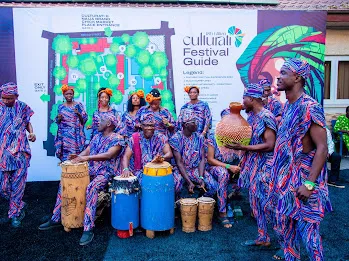
Their statements were made during the Festival of Arts and Culture, Culturati 2024, which took place over the weekend at Freedom Park, Lagos Island.
The event, which brought Lagos Island to life until the early hours of Sunday, was organised by the Lagos State Ministry of Tourism, Arts and Culture, in partnership with Culturati Africa and other private organisations.
This year’s theme, “Celebrate Diversity and Unity,” aimed to promote tourism, showcase African culture, and highlight talents within Nigeria’s thriving creative industry.
During the festival, the Special Adviser to the Governor on Tourism, Arts, and Culture, Mr. Idris Aregbe, addressed the crowd, underscoring the importance of preserving Nigeria’s rich cultural heritage.
He emphasised that the event contributes to the state’s economic development and called on youths to embrace their native languages and resist the influence of Westernisation on Nigerian culture.
“Through this annual festival, we celebrate and promote Lagos as a cultural hub,” Aregbe said. “It is essential that we preserve our heritage, particularly by encouraging our youth to speak their mother tongues and stay connected to their roots.”
Julie McKay, the Public Affairs Officer at the US Consulate in Lagos, also spoke at the event, describing Culturati 2024 as an excellent opportunity for cultural exchange.
McKay highlighted the US’s ongoing commitment to cultural preservation, noting that the US government has invested over $1.2 million to support tourism initiatives in Lagos.
“The US mission in Nigeria is deeply invested in preserving and sharing culture,” McKay stated. “Our mission is to connect people and cultures, and events like this help facilitate that process. We are proud to be part of this celebration and look forward to further collaboration.”
Adetola Bakinsola, CEO of Culturati, reflected on the significance of this year’s event, noting that it featured a community library designed to foster literacy and cultural education among youth.
“This platform celebrates traditional art, music, fashion, storytelling, and more, ensuring these elements of African culture are preserved and passed on in innovative ways,” she said. “It is crucial to nurture pride in our African identity.”
The event also saw the participation of prominent figures, including Oba Olusegun Aderemi, the Atayero of the Aramoko Kingdom, who shared his thoughts on the economic potential of Nigeria’s creative industries.
He emphasised that Nigeria is rich in cultural talents that are in demand globally and urged the youth to focus on preserving their heritage.
“Nigeria has a wealth of cultural assets that are sought after worldwide,” Oba Aderemi stated. “We must diversify from oil and focus on the creative industries, which can offer significant economic benefits.
Our culture is invaluable, and it’s crucial that we protect and manage it.”
During the event, several individuals were honoured for their contributions to the creative industry, including Miss Nigeria 1979, Queen Helen Prest-Ajayi.
The ceremony also highlighted the Lagos State government’s significant investment in the creative sector to empower the youth.
However, many attendees called for even more initiatives to help young people become self-reliant amid current economic challenges.
Culturati 2024 was not only a celebration of arts and culture but a powerful reminder of the need to preserve African heritage for future generations while harnessing the immense potential of the creative industry to drive economic growth and tourism in Lagos and beyond.










 Culture4 years ago


