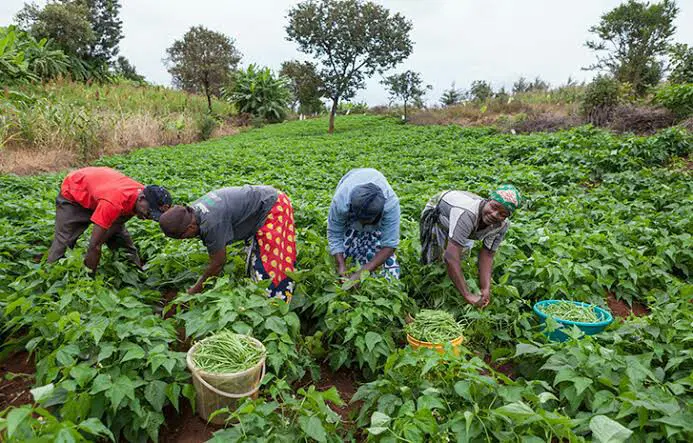
Chop2Green Nigeria will plant 100 million trees, promoting food security and sustainable growth by combining food tourism with climate-smart initiatives.
As the world celebrates World Food Day 2024, Nigeria’s Chop2Green Nigeria Food Culture Initiative has made a significant announcement: the organisation has finalised plans to plant 100 million trees in support of the country’s contribution to the Great Green Wall.
This ambitious project aims to address critical challenges in food security, climate change, and ecosystem preservation across Nigeria.
Victor Wilkinson Agih, the lead managing partner of the Kilishi Kulture Initiative, praised Chop2Green’s innovative approach.
“By connecting food tourism with climate-smart opportunities to accelerate the green economy, we are enhancing our agricultural and tourism sectors while promoting the right to food for all,” he stated.
Agih emphasised that the initiative is a multi-dimensional impact investment that integrates the food heritage economy with efforts to establish resilient food systems. This, he says, will foster green-blue circular economic growth throughout Nigeria.
Agih also highlighted the Kilishi Kulture Initiative’s alignment with the global call for the right to food. He noted that the initiative promotes access to a diverse range of nutritious, affordable, and safe foods, spotlighting African heritage food commodities as a means to contribute to food security, nutrition, and economic empowerment.
The initiative’s flagship event, the Kilishi heritage food festivals, will be held across the continent. These festivals are designed to foster regional collaboration, encourage knowledge exchange, and showcase the nutritional and economic value of Africa’s heritage foods in the face of challenges such as climate shocks and conflicts.
Agih remarked, “Kilishi is more than just a cultural delicacy; it represents Africa’s shared history and symbolises the potential for sustainable food production and economic growth.”
In addition to promoting Kilishi and other heritage foods, the initiative aims to harness the potential of Africa’s culinary traditions to drive economic growth, support innovation within the food sector, and facilitate community development.