
Opinion
Yiaga Africa statement on the proposed bill for compulsory voting in Nigeria



By Olayinka Akanbi
The third quarter of 2026 offered a clear picture of where Nollywood stands today. Across July, August and September, filmmakers told stories centred on family, culture, history, identity and everyday life.
Some films looked inward at personal struggles, while others drew from folklore, real-life events and Nigeria’s past.
Also read: Orlando Owoh Music Festival Set for November 7 in Lagos
There were also signs of change in how films are distributed, with streaming platforms increasing their investment in original content.
July was defined by personal, character-driven stories.

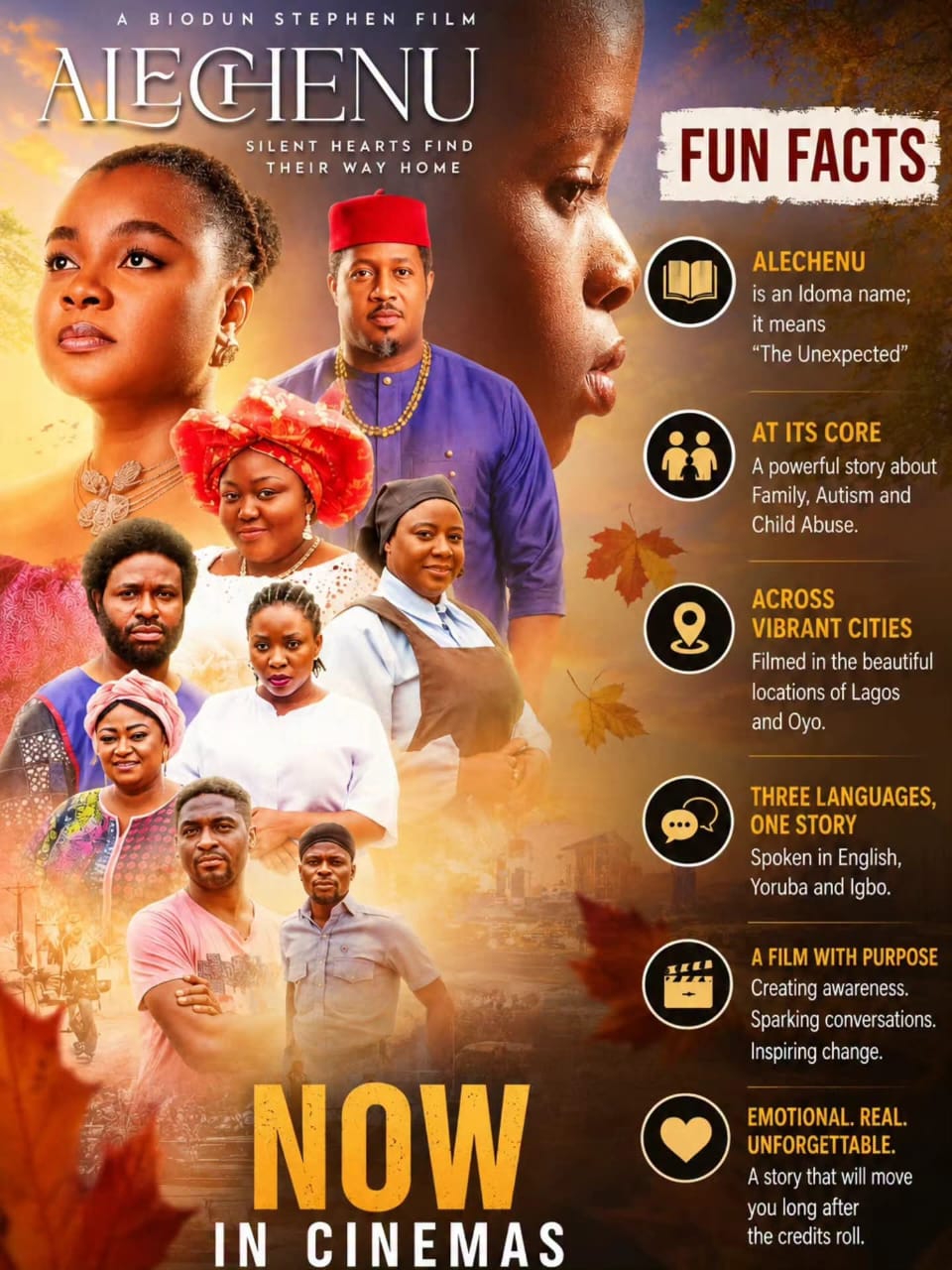
One of the standout releases was Alechenu, directed by Biodun Stephen, which followed the journey of an autistic teenager travelling from Oyo State to Lagos in search of the mother he had never met.
The film explored themes of family, identity and perseverance through a simple yet emotional narrative.
Around the same period, Lami focused on the life of a retired soldier grappling with the emotional effects of war, examining trauma, healing and second chances through the experience of one man trying to rebuild his life.

Another notable release, The Return of Omotara Johnson, marked the return of veteran actress Bukky Wright in a crime drama centred on family secrets and unresolved past conflicts.

Later in the month, films such as Wire Wire and Njem: The Journey continued the trend of storytelling rooted in real-life experiences and social issues.
In August, attention shifted towards history, tradition and culture.

The month opened with Sweet 16, a coming-of-age family drama that also drew attention as one of the final completed performances by the late actor Alexx Ekubo.
This was followed by Ikenga: The Last Festival, a story centred on tradition, power and destiny, featuring veteran actors Pete Edochie and Patience Ozokwor.

Released around the same period, Aláhùn (The Weaver) drew heavily from Yoruba mythology and folklore, highlighting a growing interest in indigenous narratives and local fantasy storytelling.

Towards the end of the month, King Kosoko revisited the life of one of Lagos’ most influential historical rulers, reflecting a broader shift by filmmakers towards exploring Nigeria’s history on screen.
By September, the conversation had expanded beyond storytelling to include audience engagement and distribution models.

One of the month’s notable releases was Mama Deola’s Wedding Story, which became the first original production from Nigerian streaming platform Kava. Its release underscored the increasing role of local streaming services in shaping the industry.
Other films focused on contemporary life and younger audiences.
Ordinary People examined the lives of everyday Nigerians, while 19 explored themes of identity, ambition and relationships from a youthful perspective.
One Gidi Night captured the rhythm and character of Lagos, using the city itself as a central narrative element.
The month also saw the release of Black Market, which generated widespread attention due to efforts to stage a Guinness World Record attempt for the largest film screening audience at Tafawa Balewa Square in Lagos.
Taken together, these releases reflect an industry in transition one that is expanding its storytelling range while experimenting with new platforms, audiences and formats.
Also read: Orlando Owoh Music Festival Set for November 7 in Lagos
Nollywood is not only telling more stories; it is also redefining how those stories are created, distributed and experienced.

EU Project Boosts Western Balkans Creative Economy

Soludo Mourns Pete Edochie, Celebrates His Lasting Legacy

Olufuye Urges Stronger Digital Protection of Nigerian Heritage


 Culture4 years ago
The Four Igbo Market Days and Their Significance In Omenala ÌGBÒ
- Business4 years ago
Ooni of Ife Discusses Business and Peace Initiative in Kenya
- Events4 years ago
Glamour, glitz as B’obagunwa Omo’ba Obinrin Akile Ijebu celebrates New Year party (Photos)
- Culture4 years ago
Outrage as Ezendigbo of Ibadanland confers chieftaincy title on Olubadan
- Events4 years ago
Onitoomu of Ito-Omu installs two new chiefs (Video, Photos)
- Events2 years ago
Egbe Bobasete: The New Fashion Sensation Elevates 2024 Ojude Oba Festival (Video, Photos)
 Events3 years ago
NANTAP Convention 2023: Reshaping Nigerian Theatre Arts for economic growth
- Paranormal4 years ago
Black Cat Superstition: Good and Bad Luck Beliefs


