
Entertainment
UK based Nollywood producer, Dapo Opayinka, hits location over new movie flock, Apeje


The popular United Kingdom based movie producer and actor, Dapo Opayinka, has arrived Nigeria for another movie shoot, titled Apeje.
A Bluecheek Pictures production, Apeje is a story of love, betrayal, nemesis and many more.
The storyline talks about a king at a crossroads on what to do with his wife, who out of anger, went against the law of the land.
And Olori must be punished. Or is it a trap?
See photos and videos from the behind the scene by Nollytrailers.





Ofala festival: Obi of Onitsha marks 25 Years on throne

Crowds Gather for Rare Sunrise at Egypt’s Abu Simbel Temple

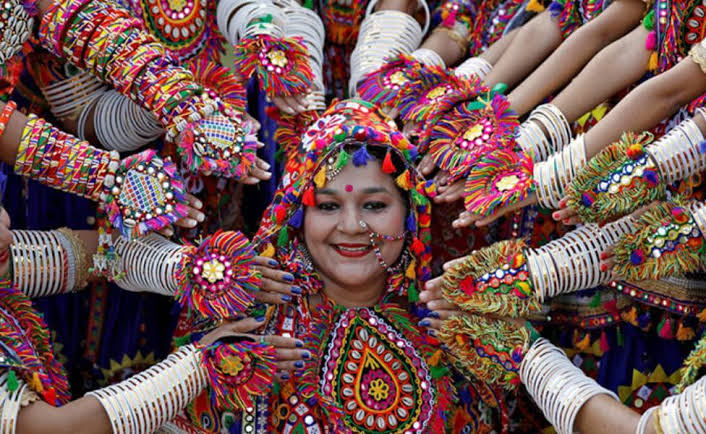
16 Famous Cultural Festivals That Define India


 Culture4 years ago
The Four Igbo Market Days and Their Significance In Omenala ÌGBÒ
- Business4 years ago
Ooni of Ife Discusses Business and Peace Initiative in Kenya
- Events4 years ago
Glamour, glitz as B’obagunwa Omo’ba Obinrin Akile Ijebu celebrates New Year party (Photos)
- Culture4 years ago
Outrage as Ezendigbo of Ibadanland confers chieftaincy title on Olubadan
- Events4 years ago
Onitoomu of Ito-Omu installs two new chiefs (Video, Photos)
- Events2 years ago
Egbe Bobasete: The New Fashion Sensation Elevates 2024 Ojude Oba Festival (Video, Photos)
 Events3 years ago
NANTAP Convention 2023: Reshaping Nigerian Theatre Arts for economic growth
- Paranormal4 years ago
Black Cat Superstition: Good and Bad Luck Beliefs


