Nigeria Cannes film debut breaks new ground as ‘My Father’s Shadow’ becomes the first Nollywood film in the Official Selection of the Cannes Film Festival
Nigeria Cannes film debut has officially made history with the inclusion of *My Father’s Shadow* in the prestigious Official Selection at this year’s Cannes Film Festival.
This milestone marks the first time a Nollywood production has been recognised at such a high level in one of the world’s most revered cinematic events.
The announcement, made by the Cannes Festival committee earlier this year, sent waves of celebration through Nigeria’s film community.
Nollywood, widely known for its prolific output and massive domestic influence, has long been seeking global recognition at festivals traditionally dominated by Western and Asian films.
Directed by Ugochukwu Nwachukwu and produced by Ifeoma Onyenekwe, My Father’s Shadow tells the deeply personal story of a young man confronting generational trauma, identity, and the unspoken complexities of father-son relationships in a post-colonial Nigerian setting.
The film’s emotional depth, visual elegance, and cultural authenticity impressed the Cannes selection jury, who praised its originality and bold storytelling.
“This is a historic moment not only for the filmmakers involved but for the entire Nigerian film industry,” said Chioma Umeh, a Lagos-based film critic.
“To have a Nollywood film recognised on such a global stage means that our stories are finally being seen not just for their entertainment value but for their artistic merit.”
The Nigerian Film Corporation also issued a statement celebrating the achievement, calling it “a breakthrough that affirms the creative evolution of Nollywood and Nigeria’s rightful place in global cinema.”
For years, Nollywood has been dismissed by some international critics as too commercial or lacking in technical refinement. Yet, behind the scenes, a new generation of Nigerian filmmakers has been pushing creative boundaries, focusing on stronger scripts, cinematic quality, and international partnerships.
My Father’s Shadow is a product of that quiet revolution. Filmed in Enugu and Paris, it benefited from a Nigerian-French co-production deal under the Africa Creative Partnership Initiative, which aims to boost African films’ access to global platforms.
The result is a film that maintains its Nigerian soul while speaking a universal language of human struggle and reconciliation.
Speaking in an interview shortly after the Cannes announcement, director Ugochukwu Nwachukwu said: “We made this film with honesty. I didn’t expect Cannes.
I only hoped that if we told the truth about our experience, someone out there would listen. I am humbled that the world is listening now.”
The film’s lead actor, newcomer Tochi Nwankwo, has already drawn international praise for his raw and introspective performance, with some critics suggesting he could be a contender for the festival’s acting honours.
Nigerian audiences have reacted with pride and anticipation, flooding social media with messages of support. The hashtag #MyFathersShadowCannes trended nationally within hours of the announcement.
Beyond the headlines, industry stakeholders see this as a chance to open more doors for African filmmakers, especially those from Anglophone regions often underrepresented at major festivals.
“This is not just about Cannes,” said Adewale Adetiba, a Nigerian producer. “It’s about what happens after Cannes — funding, distribution, access. One door has opened; now we must keep it open.”
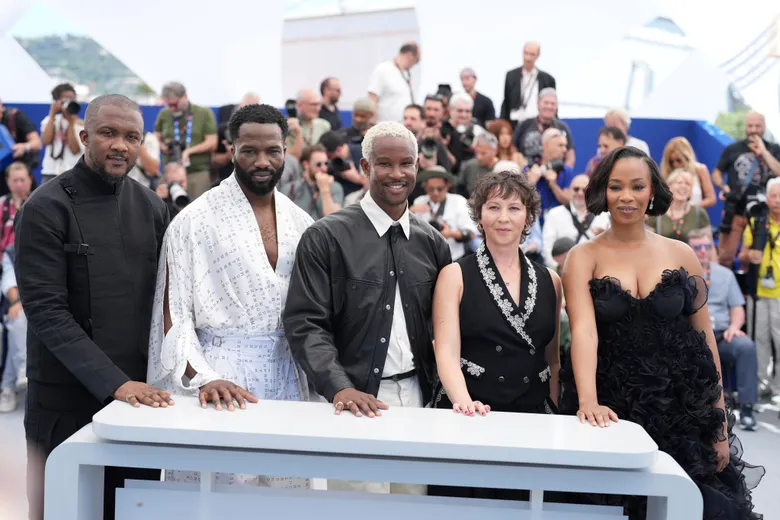
As the festival approaches, all eyes are now on the My Father’s Shadow premiere, where the cast and crew will walk the red carpet representing not just their film but the future of Nigerian cinema.
Whether or not it walks away with a trophy, the film has already achieved what many thought was impossible: placing Nollywood in the heart of global cinematic recognition.







 Culture4 years ago


