Federal road projects, including Sokoto–Badagry Superhighway, aim to boost rural economies, connectivity, and socio-economic development across Nigeria
The Federal Government’s ongoing road projects are strategically designed to unlock rural socio-economic potential and strengthen urban–rural connectivity, the Senior Special Assistant to the President on Community Engagement in the North-West, Alhaji Abdullahi Tanko-Yakasai, said.
Tanko-Yakasai made the remarks during an inspection of the Sokoto–Badagry Superhighway and the commissioning of emergency road rehabilitation works along the Sokoto–Jega–Birnin Kebbi corridor, originally undertaken by the government in 2024.
Key infrastructure initiatives highlighted include:
- Lagos–Calabar Coastal Road Corridor (750 km)
- Sokoto–Badagry Superhighway (1,068 km)
- Calabar–Abuja Superhighway
- Trans-Saharan Road (482 km)
- Akwanga–Jos–Bauchi–Gombe Road (439 km)
“President Tinubu’s Renewed Hope Agenda encourages infrastructure development and uplifts socio-economic activities nationwide,” Tanko-Yakasai said.
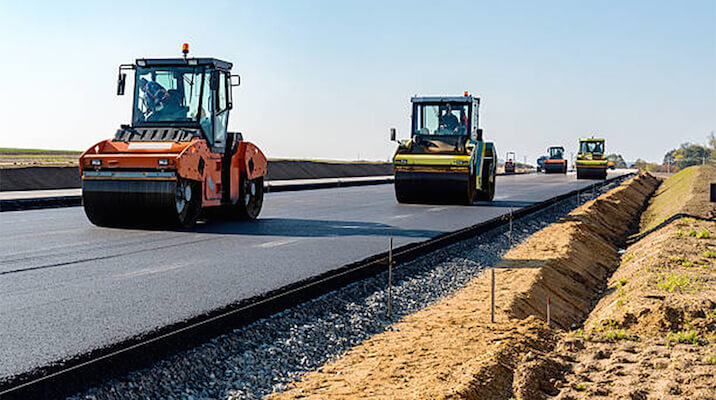
The Federal Controller of Works in Sokoto State, Kassimu Maigwandu, explained that the Sokoto axis of the project covers about 120 km, featuring a six-lane concrete highway, bridges, solar-powered street lighting, and a railway line.
The design also incorporates CCTV cameras, health posts, and strategic security stations.
Maigwandu added that contractors are working from six locations concurrently under security arrangements, with the project executed in phases across several communities.
“This legacy project is more than infrastructure. It is meant to rejuvenate economic activities in agriculture, tourism, education, health, and other sectors for the benefit of citizens,” he said.
The project has received positive feedback from professional bodies and community groups. Abubakar Ibrahim, Chairman of the Nigerian Society of Engineers in Sokoto, said the work demonstrates the President’s commitment to rural development.
Community leaders and residents also praised the initiative. Alhaji Halliru Alfada highlighted that the road will ease the transportation of farm produce and enable dry-season farming, while Alhaji Maude Aliyu said it connects several communities where agriculture is the main livelihood.
The project is expected to significantly impact youth and women empowerment, healthcare, education, and overall national development, enhancing both mobility and economic opportunities across northern and southern Nigeria.







 Business3 years ago


